
Vandaag of morgen in huis

Kwaliteit gegarandeerd

Welkomstaanbiedingen ontgrendelen: GRATIS bezorging | Tot 80% korting | Gratis 30 dagen JoyPlus-proefperiode
Download de app
A box of breakfast cereal may seem like an easy choice. Yet muesli, granola, porridge and wholegrain cereals can differ significantly in their ingredients, sugar content, fibre, protein and preparation method. Eye-catching packaging or claims such as “natural” do not always tell the whole story.
As a Joybuy Product Recommendation Officer, I filter the most important product information so you can compare options effectively and avoid spending money on a breakfast that does not suit your eating habits.
A product can contain 0 g added sugar and still provide naturally occurring sugars, for example from raisins or other dried fruit. Always check the full nutrition table. Pay particular attention to the “of which sugars” line per 100 grams, as well as the ingredients list.
Extra care is needed with products that include a separate glucose sachet. The overall packaging may appear substantial, while part of it consists of pure glucose rather than the breakfast cereal itself.
Nutritional values are usually stated per 100 grams. However, a standard serving of crunchy muesli may be 30 to 45 grams. Granola often contains relatively high levels of energy per 100 grams because of its oil, nuts or seeds. That does not automatically make it unsuitable, but serving size does matter.
So do not just compare the claim on the front of the pack. Also compare fibre, protein, fat and sugars per 100 grams.
“Organic” refers to the origin and production method of the ingredients; it does not automatically mean a low sugar or energy content. Likewise, “high-protein” products may contain ingredients such as soya or wheat protein, which is important to consider if you have allergies or specific dietary preferences.
Check the first ingredients in the list. These are generally shown in descending order by quantity. Also look out for allergens such as gluten, milk, soya, sesame, peanuts and nuts.
If you are looking for a filling and practical breakfast, compare wholegrain cereals or porridge based on their wholegrain content and fibre level. In the available product specifications, fibre content ranges from approximately 9 to 28 grams per 100 grams.
For sugar-free breakfast cereals, it is important to understand the difference between “no added sugar” and 0 grams of sugar. According to the product information, Quaker Oatmeal contains 100% wholegrain oats and 1.1 grams of sugars per 100 grams. Zonnatura Organic Whole Wheat Oatmeal lists 1.7 grams of sugars per 100 grams.
Muesli with raisins may contain more sugars without any sugar having been added. For example, B+ Muesli Nuts and Fruit lists 20.8 grams of sugars per 100 grams, while the product information states 0 grams of added sugar.
Always check the current packaging before buying. Many breakfast cereals contain gluten from oats, wheat, barley, rye or spelt. Nuts, sesame, soya and milk are also common ingredients.
Consider how you plan to use the product:
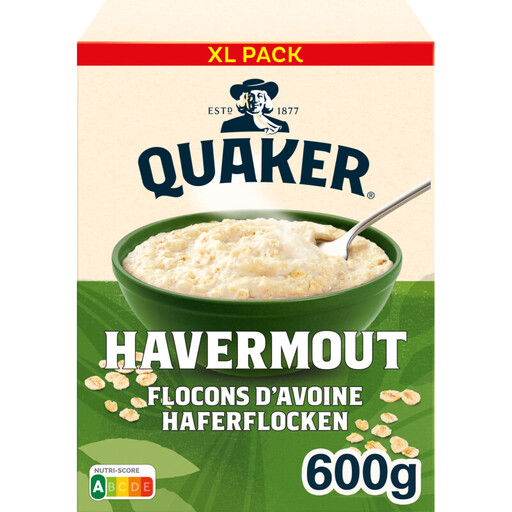
Why it suits this profile: A straightforward choice for anyone starting with plain porridge oats and wanting to add their own fruit, yoghurt or nuts.
The ingredients list states 100% wholegrain oats, without a long list of flavourings or dried fruit.
11 g of protein and 9 g of fibre per 100 g; suitable for hot porridge.
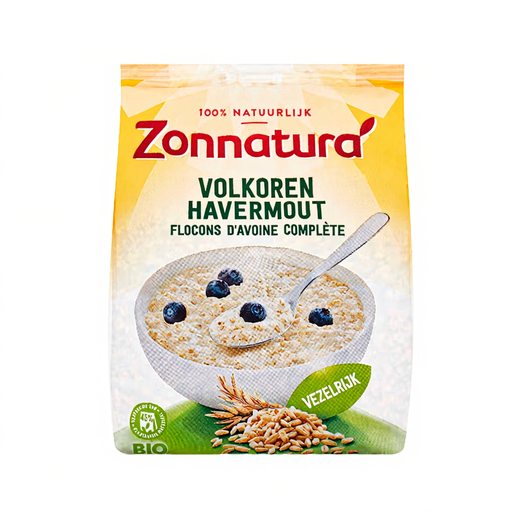
Why it suits this profile: For shoppers who value organic sourcing and a short ingredients list.
The product specification refers to wholegrain oats from organic sources; check the certification on the packaging.
11 g of fibre and 11 g of protein per 100 g; 1.7 g of sugars per 100 g.
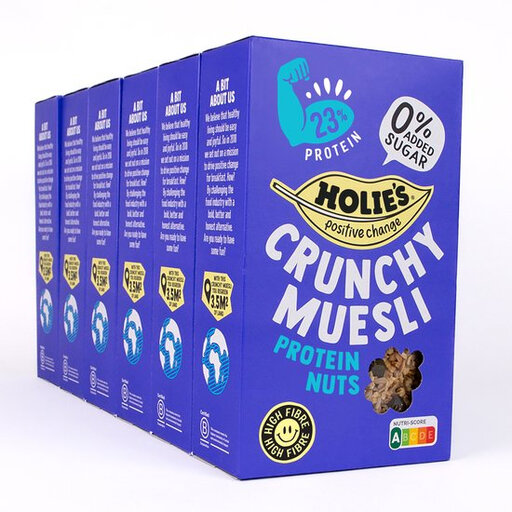
Why it suits this profile: A multipack for sporty consumers or households that use granola regularly.
The nutritional information shows the balance clearly: 23 g of protein and 19 g of fibre per 100 g, according to the product information.
0 g of added sugar according to the product description; contains oats, wheat protein, seeds and nuts.
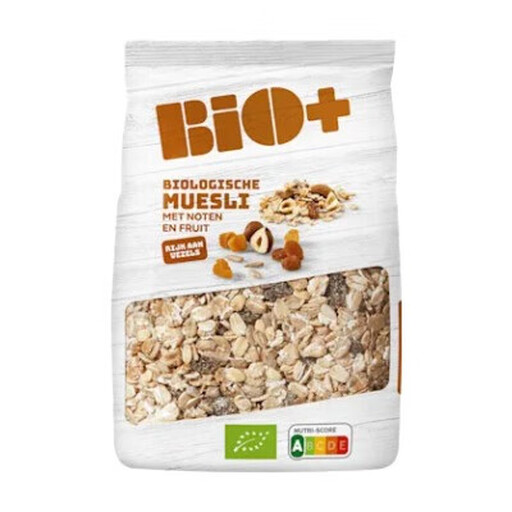
Why it suits this profile: Handy for anyone who wants to combine grains, fruit, seeds and nuts with yoghurt or milk.
The product information lists separate percentages for raisins, apricots, hazelnuts and almonds.
9 g of fibre and 10.9 g of protein per 100 g; organic ingredients according to the product description.
We have put together a complete, up-to-date list of products that fully meet these strict selection criteria and the applicable European safety regulations.
Porridge oats, fine oat flakes and individual porridge sachets are practical when you are short on time. Products prepared with hot water are ready more quickly than coarse porridge oats, which need to be cooked for several minutes.
No. Muesli usually consists of loose flakes, nuts, seeds and dried fruit. Granola is generally roasted, which gives it a crunchy texture. With granola, check the oil, sugar and energy content particularly carefully.
Shelf life varies by product and is stated on the packaging. After opening, breakfast cereals generally retain their flavour and texture better when you seal the bag properly and store the product in a dry place. Do not use the product if the packaging is damaged or the stated best-before date has passed.
