
Vandaag of morgen in huis

Kwaliteit gegarandeerd

Welkomstaanbiedingen ontgrendelen: GRATIS bezorging | Tot 80% korting | Gratis 30 dagen JoyPlus-proefperiode
Download de app
A box of breakfast cereal can quickly catch your eye. Eye-catching packaging, terms such as “high in fibre” or “no added sugars”, and an appealing flavour can all have a strong influence on your choice. However, the front of the pack does not tell you everything about the ingredients, serving size or suitability for your household.
When buying breakfast cereals, these are the main pitfalls to look out for:
Ingredients are listed in descending order by quantity. If wholegrain oats, oat flakes or wholegrain wheat appear first, they make up an important part of the product. In muesli and cruesli, sugar, glucose syrup, oil, chocolate or dried fruit may also account for a significant proportion.
For a simple wholegrain breakfast, you can choose plain porridge oats or oat flakes. According to the product information, Quaker Oatmeal consists of 100% wholegrain oats. Zonnatura Organic Whole Wheat Oatmeal lists fine wholegrain oat flakes from organic farming. These products give you room to add your own fruit, nuts or yoghurt.
When choosing organic porridge oats, also look for the official organic certification mark on the packaging. “Natural” and “pure” are not substitutes for verifiable certification.
A serving is useful for everyday use, but comparing products per 100 grams gives you a fairer basis. Pay particular attention to:
Quaker Oatmeal lists 9 grams of fibre and 11 grams of protein per 100 grams. According to the label, Quaker Oats Express Protein contains 22 grams of protein per 100 grams and consists of 85% wholegrain porridge oats and 15% soya protein. If you have a soya or gluten allergy, always check the allergen information.
You should also read any claim about the effects of beta-glucans in the right context. According to Quaker’s product information, the stated effects are based on permitted nutritional information and apply as part of a varied diet and healthy lifestyle. Do not regard this as personal medical advice.
Instant porridge oats and individual sachets are convenient on busy mornings. Check how much water or milk is needed and how long the product needs to stand. According to the product description, Quaker Oats Express Protein is ready in around two minutes. The Family Whole products are supplied in individual sachets and are prepared with hot water.
Plain porridge oats may require a little more preparation, but you decide the flavour and toppings yourself. Muesli is usually ready to eat with yoghurt or milk. Cruesli has a crunchy texture, but roasting and added ingredients often mean it contains more fat or sugar than simple oat flakes.
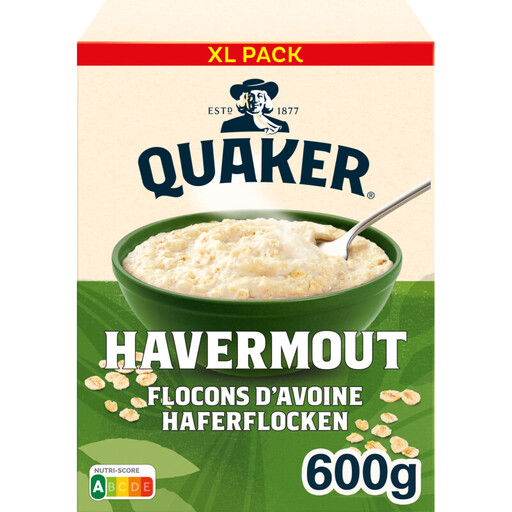
Why it suits this profile: A simple basic pack for anyone wanting to try porridge oats without flavour mixes or extra toppings in the product.
The product information states 100% wholegrain oats and no added sugars. The nutrition table lists 1.1 grams of sugars per 100 grams.
600 grams, approximately 15 servings, 9 grams of fibre and 11 grams of protein per 100 grams.
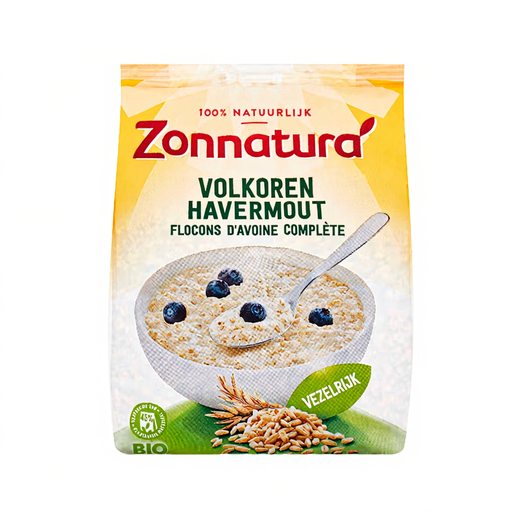
Why it suits this profile: Designed for consumers who value organic ingredients and a short ingredients list.
The product description states that the product is organically certified and contains fine wholegrain oat flakes. Check the certification mark and the current packaging when you receive it.
500 grams, 11 grams of fibre and 11 grams of protein per 100 grams; the ingredients list states wholegrain oat flakes from organic farming.
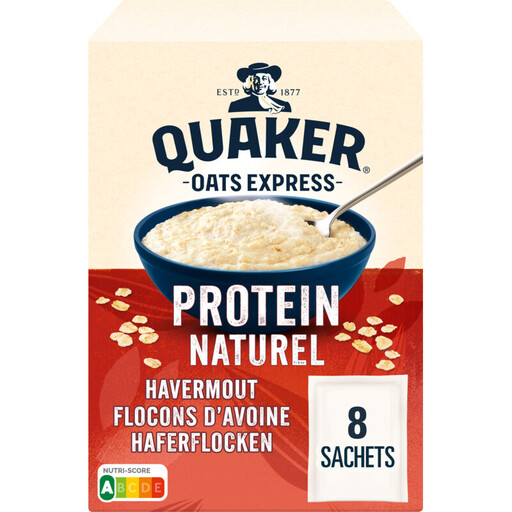
Why it suits this profile: Practical for athletes or busy breakfast eaters looking for protein-rich porridge oats that are ready quickly.
The packaging states 22 grams of protein per 100 grams and no added sugars. You should still check the serving size and allergens yourself.
302 grams, ready in two minutes according to the product information, with 7.2 grams of fibre and 22 grams of protein per 100 grams.
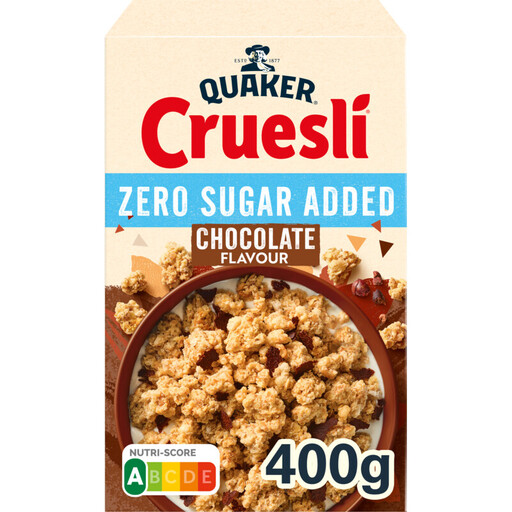
Why it suits this profile: Suitable for anyone looking for muesli with a cocoa flavour and crunchy texture to enjoy with yoghurt or milk.
“Zero Sugar” does not mean that the product contains no sugars: the table lists 3.4 grams of sugars per 100 grams. The packaging states that it contains no added sugars or sweeteners.
21 grams of fibre per 100 grams and a composition containing 40% wholegrain oat flakes and 16% wholegrain wheat flakes.
We have put together a complete, up-to-date list of products that fully meet these strict selection criteria and the applicable European safety regulations.
Instant porridge oats and products in individual sachets are practical when you are short on time. Check the preparation time, the amount of water or milk required and the quantity in each sachet. Portion packs are convenient for breakfast on the go, but loose oat flakes may offer better value per serving.
No. Porridge oats generally consist of cut or rolled oats and are often prepared hot. Muesli is a mix of cereals, nuts, seeds and sometimes dried fruit. Cruesli is usually crunchy and roasted, and may contain oil, sugar or syrup. Always compare the ingredients and nutritional values per 100 grams.
Store breakfast cereals in a cool, dry place away from direct sunlight. Seal the packaging properly or use an airtight storage container. This helps porridge oats, muesli and cruesli stay crunchy for longer. Check the use-by information on the packaging when you receive it and do not use damaged packaging.
