
Vandaag of morgen in huis

Kwaliteit gegarandeerd

Welkomstaanbiedingen ontgrendelen: GRATIS bezorging | Tot 80% korting | Gratis 30 dagen JoyPlus-proefperiode
Download de app
Breakfast cereals may seem easy to choose. Yet muesli, cornflakes, porridge oats and crunchy cereals differ considerably in ingredients, nutritional values, serving size and preparation time. Eye-catching packaging does not tell you everything. If you want to buy breakfast cereals online, it is worth checking the label and considering how you will use them day to day.
A product may contain wholegrain cereals and still have relatively high levels of sugar, salt or sweetened additions. So do not just look at the wording on the front. Also check:
For example, Kellogg’s Frosties list 37 grams of sugar per 100 grams, while Kellogg’s Cornflakes contain 8 grams of sugar per 100 grams. Both products are cornflakes, but their composition and taste experience are clearly different.
Nutritional values are usually listed per 100 grams. However, a bowl may contain more than the stated serving size. The first time, weigh out how much you would normally use. This makes it easier to compare muesli, porridge oats and crunchy cereals in practical terms.
Also consider extras such as milk, yoghurt, fruit, nuts or sugar. These all contribute to the total nutritional value and cost per breakfast.
Instant porridge and breakfast drinks are convenient, but their composition varies from one product to another. Some sachets contain mainly cereals and fibre, while others also contain sugar, creamer, glucose or flavourings. So check:
Quick preparation is a practical advantage, but it does not automatically make a product suitable for every day.
Ingredients are listed in descending order by weight. If sugar appears near the top, it makes up an important part of the recipe. If wholegrain wheat, oats or another cereal comes first, you can see more clearly which base ingredient the manufacturer uses.
Kellogg’s Special K Original, for example, is described as containing ingredients including rice, wholegrain wheat and barley. The nutritional information lists 6 grams of fibre per 100 grams. This is a verifiable product specification, not a general guarantee about its effect on your body.
Use the values per 100 grams as a consistent basis for comparison. The product specifications provided show substantial differences:
The term healthy breakfast cereals is no substitute for these figures. Compare the values with your own priorities: less sweetness, more fibre, a higher protein content or simply greater convenience.
Many breakfast cereals contain gluten from wheat, barley, oats or malt. Other products may also mention milk, soya, nuts or sesame. Read the current label on the packaging, especially if you have food allergies or are buying for young children.
Also check how the product is prepared. According to the product description, Brinta Wake Up Natural is ready in around one minute with hot or cold water. Huiji oat flakes can be eaten with milk, yoghurt or soya drink, or prepared with around 200 ml of hot liquid. This difference matters if you are looking for a breakfast to have on the go, at work or with several family members.
The selection below is based on the stated ingredients, nutritional values, packaging and instructions for use. Brand descriptions of nutritional properties are not presented here as medical effects.
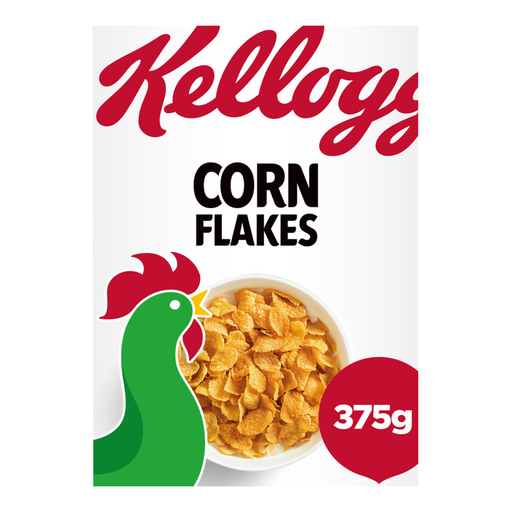
Why it suits this profile: A familiar staple for anyone who wants to compare plain cornflakes without a filled or complex recipe. Delicious with milk, yoghurt or fresh fruit.
The product information lists 8 grams of sugar per 100 grams and clearly shows the composition of maize, barley malt extract, sugar and salt.
375-gram pack, with 3 grams of fibre and 7 grams of protein per 100 grams according to the label.

Why it suits this profile: For anyone looking for a cereal mix with several ingredients, a higher stated protein content and different preparation methods.
The label states the quantities of ingredients including oats, black rice and black wheat, allowing you to check the marketing name against the ingredients.
420 grams, 12.8 grams of protein per 100 grams, and suitable for eating cold, soaking or cooking.
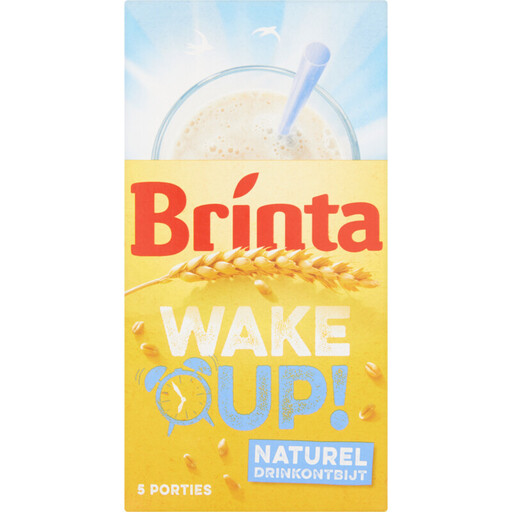
Why it suits this profile: For busy mornings when you need a drinkable breakfast ready in around one minute.
The product description explicitly mentions preparation with hot or cold water. This means you do not need a bowl, pan or additional ingredients.
According to the nutritional information, it contains 13.2 grams of fibre per 100 grams and is packed in portions totalling 115 grams.
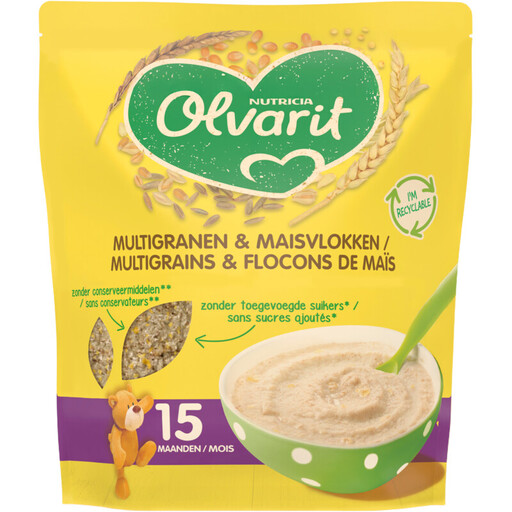
Why it suits this profile: Designed as a breakfast for children from the stated age, with a recipe containing no added sugar according to the product description.
The 15M+ age indication and the preparation and storage information are clearly shown with the product. However, always check the current packaging.
200-gram pack, with cereals as the main ingredient and a stated shelf life after opening.
We have put together a complete, up-to-date list of products that fully meet these strict selection criteria and the applicable European safety regulations.
This varies by product and serving size. Among the specifications mentioned, Brinta Wake Up Natural, with 13.2 grams of fibre per 100 grams, and Huiji 7 Black Series, with a stated high fibre content, stand out. Always compare the current nutritional table and check how many grams you actually serve.
Cornflakes can be part of a varied breakfast. For children, pay particular attention to age, allergens, sugar content and serving size. A product such as Olvarit Multigrain & Corn Flakes is specifically marked as 15M+, while regular cornflakes are not automatically suitable for every age. Follow the instructions on the packaging.
Store breakfast cereals in a dry, cool place and keep them tightly sealed. The exact shelf life and information after opening are stated on the packaging. Crunchy breakfast cereals lose their texture more quickly when moisture gets into the product. So seal the bag carefully and use an airtight storage container if you open the packaging frequently.
