
Vandaag of morgen in huis

Kwaliteit gegarandeerd

Welkomstaanbiedingen ontgrendelen: GRATIS bezorging | Tot 80% korting | Gratis 30 dagen JoyPlus-proefperiode
Download de app
A box of breakfast cereal often looks healthier than the nutritional information suggests. Terms like “wholegrain”, “no added sugar”, “high in protein” and “low in carbs” can give an incomplete picture. If you only look at the front of the packet, you might end up paying for a product that doesn’t suit your daily routine, your family’s allergies or the nutritional values you’re after.
With this practical buying guide, you can compare breakfast cereals on ingredients, nutritional value, portion size and ease of use. That way, you’ll find it easier to choose the right muesli, granola, porridge, crunchy muesli or baby cereal online.
A product with 0% added sugar can still contain sugars from ingredients such as fruit, dates or syrups. So always check the nutritional information table and the ingredients list. Holie’s Crunchy Muesli Chocolate Chunks, for example, states 0% added sugar, but according to the product information it contains 2.1 grams of sugar per 100 grams. Quaker Cruesli Chocolate has 16 grams of sugar per 100 grams, partly due to chocolate, glucose syrup and other sweetening ingredients.
“Sugar-free granola” is therefore not an automatic description for a product without sugar. Check the exact wording on the label.
Wholegrain breakfast cereals contain the whole grain kernel, but granola often also contains oil, nuts, seeds or chocolate. As a result, the energy value can be higher than with simple porridge or wheat cereal.
Quaker Oatmeal contains 100% wholegrain oats according to the product data, and 375 kcal per 100 grams. Holie’s Granola Low Carb Crunch comes in at 490 kcal per 100 grams. Both products can fit into different eating patterns, but they aren’t directly comparable.
A pack of 6 boxes might look appealing, but pay attention to the shelf life, portion size and storage space. Granola can become less crunchy after opening. So store opened packs tightly sealed, in a dry place away from heat and moisture. For baby cereals, the usage period after opening is also important; Nestlé advises using Junior Cereals Multifruit within 3 to 4 weeks of opening.
Ingredients are listed in descending order of quantity. If oats, wholegrain wheat or barley come first, this is likely the base. Also look at the proportion of nuts, fruit and seeds. The description “breakfast cereal with nuts and fruit” doesn’t tell you much about the quantity on its own. Family Whole Nuts, Fruits and Oat Flakes, for example, states 20% oats, 5% nuts and 4% fruit.
For a simple wholegrain breakfast cereal choice, Quaker Oatmeal and Brinta Whole Wheat Cereal Breakfast are straightforward: according to the product information, the first is made from 100% wholegrain oats, the second from wholegrain wheat flour.
Always compare products per 100 grams and not just per portion. This avoids confusion between small and large portions.
Claims such as “high in fibre” or “source of protein” must be verifiable on the label. Brand promises about effects on health or satiety should not be taken as guaranteed results.
Always check the full allergen information for gluten, milk, soya, peanuts and nuts. Holie’s Granola Glutenfree Peanut Chocolate contains gluten-free oats according to the label, but also peanuts. “Gluten-free” therefore doesn’t mean allergen-free.
Extra considerations apply for young children. Junior Cereals Multifruit is intended from 8 months according to the product description, contains cereals with gluten and should only be used according to the preparation and storage instructions. If in doubt about complementary feeding, consult a doctor or health visitor.
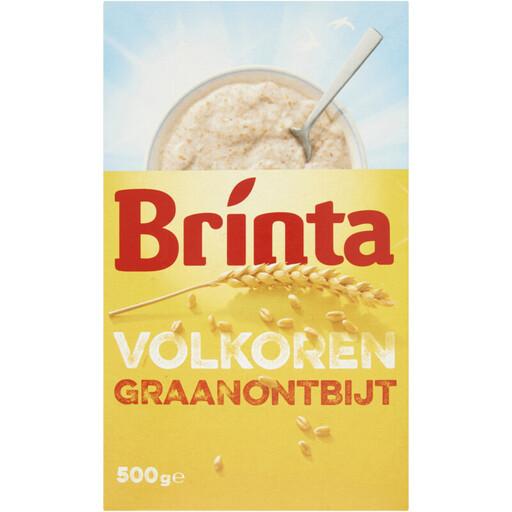
Why This Fits Their Persona: A simple base for families who want to prepare a warm breakfast with water, milk or fruit.
The ingredients list is short: wholegrain wheat flour and salt. So you’re not paying for chocolate, syrups or a long list of extra flavourings.
10 grams of fibre and 14 grams of protein per 100 grams according to the product information; 500 gram pack.
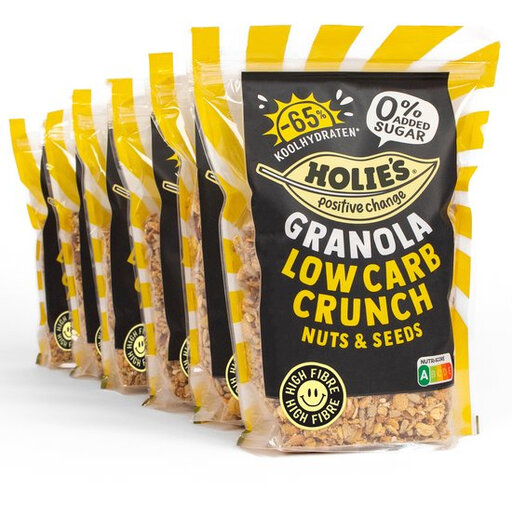
Why This Fits Their Persona: Suits adults looking for a crunchy granola with nuts and seeds who consciously compare the carbohydrate content.
The claim “0% added sugar” is backed up with concrete values: 18 grams of carbohydrates, 3.2 grams of sugar and 16 grams of fibre per 100 grams.
22 grams of protein per 100 grams according to the product information; contains sunflower seeds, soya flakes and almonds among other ingredients.
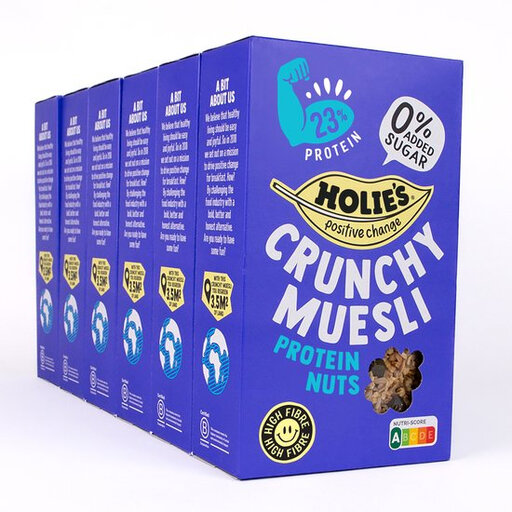
Why This Fits Their Persona: Handy for households that eat granola regularly or for athletes who want to check protein and fibre per 100 grams.
The multipack size is combined with a clear nutritional information table and allergen declaration. This lets you assess price, stock and composition together.
22 to 23 grams of protein and 19 to 21 grams of fibre per 100 grams according to the product data shown; contains oats, wheat, almond and hazelnut.
Browse a current selection of breakfast products and compare ingredients, nutritional values, pack sizes and use cases.
Compare the fibre content per 100 grams. Brinta Whole Wheat states 10 grams of fibre, Quaker Oatmeal 9 grams and Holie’s Crunchy Muesli Chocolate Chunks 22 grams per 100 grams. You can combine your chosen breakfast cereal with yoghurt, milk or fruit, but also check the total portion size.
Not quite. The names are sometimes used interchangeably in shops. Granola often consists of baked grains with oil, nuts or seeds. This makes the texture crunchy, but the energy value can be higher. So look at the ingredients and nutritional value rather than just the product name.
This varies by product. Store dry breakfast cereals in a cool, dry place and keep them tightly sealed. Use baby cereals according to the pack instructions; for Junior Cereals Multifruit, the product information states 3 to 4 weeks after opening. Check the best-before date on all products and don’t use any packaging that is damaged.
