
Vandaag of morgen in huis

Kwaliteit gegarandeerd

Welkomstaanbiedingen ontgrendelen: GRATIS bezorging | Tot 80% korting | Gratis 30 dagen JoyPlus-proefperiode
Download de app
A box of breakfast cereal seems easy to choose—until you look at the ingredient list and nutrition table. An eye-catching front featuring terms such as “whole grain,” “high in fibre” or “no added sugars” does not tell the whole story. Serving size, allergens and the amount of sugar per 100 grams also make a difference.
As a Joybuy Product Recommendation Officer, I filter product information based on verifiable criteria. This helps you quickly identify which breakfast cereals suit your household, budget and breakfast habits.
Whole-grain breakfast cereals can provide fibre, but that does not automatically mean they are low in sugar or calories. Cruesli and granola, for example, often contain oil, syrup, chocolate, dried fruit or nuts. As a result, they may contain more calories per 100 grams than plain oatmeal.
Always check the line “of which sugars” per 100 grams. The claim “no added sugars” also does not mean that the product is sugar-free. Naturally occurring sugars, such as those from raisins, may still appear in the nutrition table.
A 720- or 838-gram bag may seem attractive for families, but check the serving size and shelf life first. With crunchy muesli, a generous scoop can quickly exceed the recommended serving. A small price difference per package then says little about the cost per breakfast.
Convert the price to price per 100 grams and check how many servings the manufacturer lists. Store opened breakfast cereals in a dry, airtight container to help preserve their crunch.
“Made with oats,” “with nuts” or “with fruit” does not indicate how much of each ingredient the product actually contains. Ingredients are listed in descending order by weight. A product containing 40% whole-grain oats therefore presents a very different proposition from a blend in which oats account for just 10%.
Always check both “contains” and “may contain” statements. Many breakfast cereals contain gluten, wheat, oats, milk, soy or nuts. Packaging can change, so use the current product packaging as your final check—especially if you have allergies.
For plain oatmeal, a short ingredient list is a practical advantage. According to the product information, Quaker Oatmeal consists of 100% whole-grain oats. Per 100 grams, the product provides 9 grams of fibre, 11 grams of protein and 1.1 grams of sugar. It does contain oats and may contain wheat and barley.
According to the product information, Zonnatura Organic Whole Wheat Oatmeal consists of organic whole-grain oat flakes. The nutrition table lists 11 grams of fibre per 100 grams. This is an option for anyone specifically looking for organic oatmeal, but check the current certification and allergen information on the packaging.
Always compare products on the same basis: per 100 grams, not just per serving. The following figures come from the product information provided:
The last three may be perfectly suitable if you prefer a sweeter flavour, but they are not the same as breakfast cereals with no added sugars.
Oatmeal and Brinta are suitable for a hot breakfast prepared with water or milk. Weetabix can be served with cold or warm milk, yoghurt and fruit. Crunchy muesli is usually ready to serve, while instant products are convenient for eating on the go.
For families with young children, pay attention to the age recommendation and preparation instructions. According to the product information, Olvarit Breakfast Porridge Grains is intended for 12 months and older. It contains several grains and honey; follow the packaging and preparation instructions carefully.
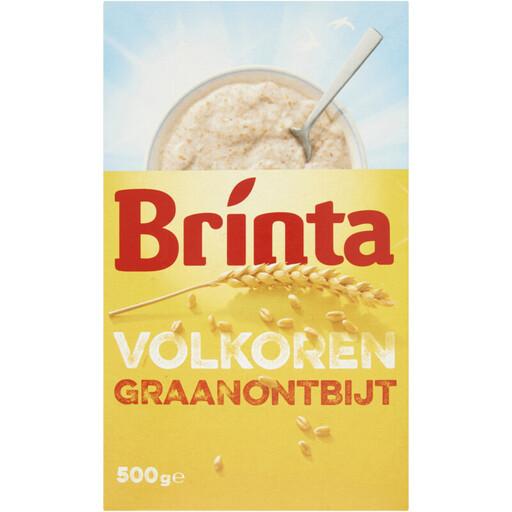
Why it’s a good fit: A simple hot breakfast for households looking for a short ingredient list and a familiar preparation method.
The ingredient list includes whole-wheat flour and salt, with no chocolate, syrup or sweets.
Per 100 grams: 10 grams of fibre and 14 grams of protein, according to the product information.
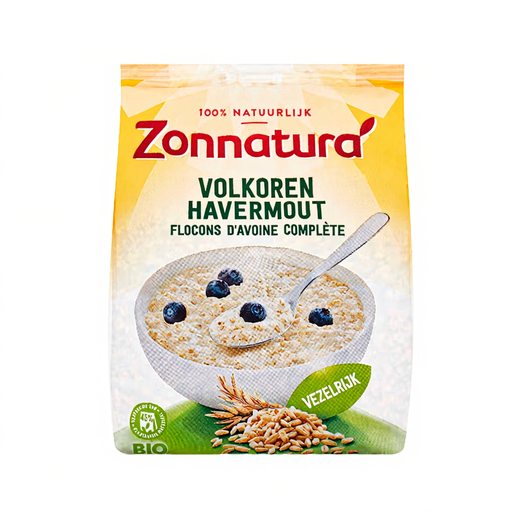
Why it’s a good fit: Designed for consumers who want to enjoy organic whole-grain oatmeal with a simple base.
The product information specifies organic whole-grain oat flakes; check the certification mark on the delivered packaging.
11 grams of fibre and 1.7 grams of sugar per 100 grams, according to the stated nutritional values.
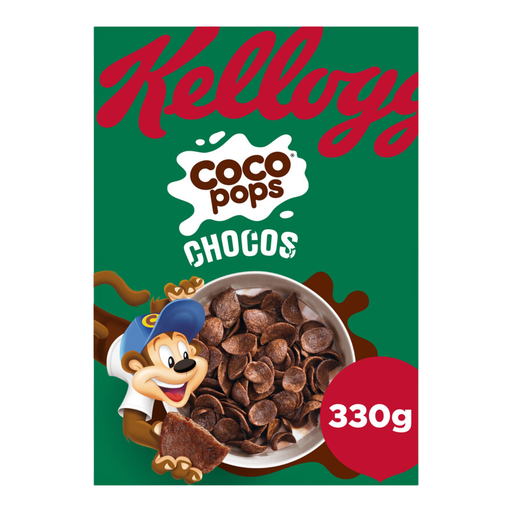
Why it’s a good fit: A practical choice for children or adults who prefer crunchy, chocolate-muesli-style breakfast cereal.
The chocolate claim does not tell the whole nutritional story: the product lists 22 grams of sugar per 100 grams.
The product information lists 6 grams of fibre plus added vitamins and iron per 100 grams.
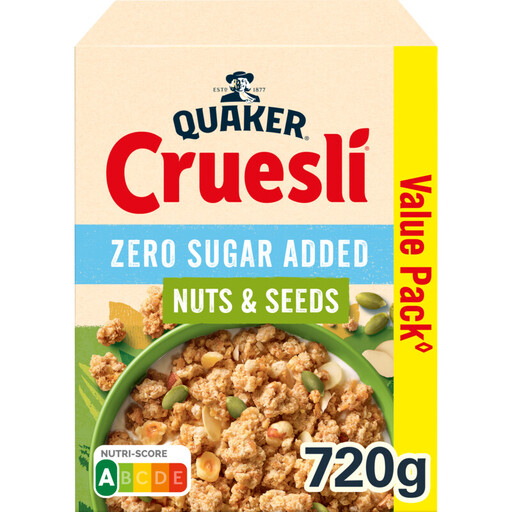
Why it’s a good fit: For anyone who wants crunchy muesli with nuts and seeds and values the claim “no added sugars or sweeteners”.
The claim needs context from the nutrition table: it lists 3.8 grams of sugar per 100 grams, alongside oil and nuts.
37% whole-grain oat flakes, 23 grams of fibre and 9.5 grams of protein per 100 grams, according to the product information.
We have curated a current selection of muesli, oatmeal, cruesli and other breakfast cereals, making it easy to compare ingredients, nutritional values and flavour.
That depends on the current recipe and serving size, but in the product information provided, Quaker Oatmeal, Zonnatura oatmeal, Weetabix and Brinta contain less sugar per 100 grams than many chocolate and honey varieties. Always compare the current packaging. A product labelled “no added sugars” may still contain naturally occurring sugars.
No. Oatmeal is usually made from rolled or crushed oats and is often prepared hot. Muesli is a cereal blend that may include nuts, seeds or dried fruit. Cruesli and granola are generally baked until crunchy and may contain oil, sugar or syrup. So do not look only at the product name—check the ingredient list as well.
Store breakfast cereals in a cool, dry place away from direct sunlight and moisture. Seal the package properly or use an airtight storage container. For products containing nuts, milk or soy, check the allergen information again if you combine contents from multiple packages.
