Vandaag of morgen in huis

Kwaliteit gegarandeerd

Welkomstaanbiedingen ontgrendelen: GRATIS bezorging | Tot 80% korting | Gratis 30 dagen JoyPlus-proefperiode
Download de app
Choosing the right breakfast cereal can be a challenge. Supermarket aisles are filled with boxes, all promising a healthy start to your day. But how do you separate fact from marketing hype? A quick look at the ingredients list and nutrition panel is often all it takes to see that many products contain more sugar than you might expect. This guide will help you make an informed decision based on verifiable product features, so you can find a breakfast that aligns with your dietary goals.
A nutritious breakfast helps you start the day with energy. To find a product that delivers, focus on a few key specifications.
Whole grain means the entire grain kernel has been used, including the bran and germ. These are the most nutritious parts of the grain, rich in dietary fibre, vitamins, and minerals. Check the packaging to see if the product is made from "whole wheat," "whole grain oats," or another whole grain. A high percentage of whole grain is a good indicator of a fibre-rich breakfast.
The nutrition facts panel provides objective information about the product's composition. Focus on the following values per 100 grams to compare products fairly:
The type of cereal determines its preparation method and texture. The most common types are:
Based on the criteria above, we have selected some popular breakfast cereals. These recommendations are based on the product specifications as stated by the manufacturer.
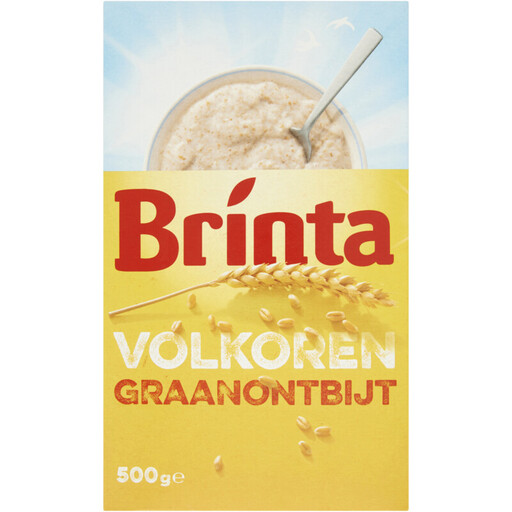
Why We Chose It Brinta consists of 100% whole wheat and is a classic choice for those seeking a warm, nutritious breakfast. The product is a source of fibre and protein and, according to the manufacturer, contains 6 vitamins and minerals.
Key Benefits
Who It's For This product is ideal for athletes due to its high protein content and for anyone looking for a pure, high-fibre, low-sugar breakfast. It's a flexible base that you can customise with fruit or nuts.
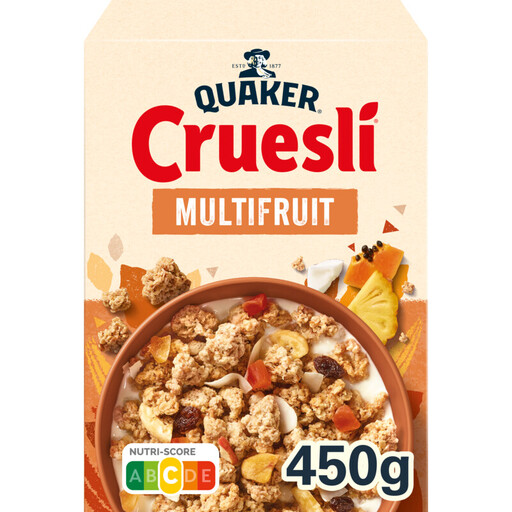
Why We Chose It This granola offers a crunchy texture and a fruity taste thanks to the addition of coconut, banana, raisins, and papaya, among other ingredients. The main ingredients are whole grain oats (32%) and whole wheat (19%).
Key Benefits
Who It's For Ideal for those who love a crunchy, flavourful breakfast and prefer not to add their own fruit or toppings. It's a good choice for anyone seeking a high-fibre breakfast, but it's wise to be mindful of its sugar content of 14 grams per 100 grams.
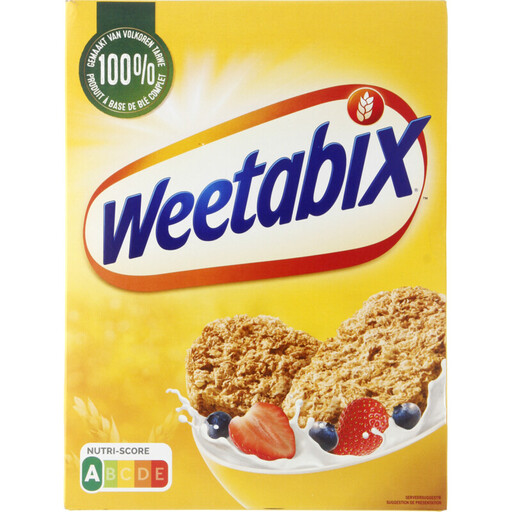
Why We Chose It Weetabix is made from 95% whole wheat and comes in the form of compact biscuits. Its nutritional values are comparable to Brinta's, making it a strong alternative for those who prefer a different texture.
Key Benefits
Who It's For This product is an excellent choice for health-conscious consumers and families who want a low-sugar, high-fibre breakfast. The biscuits are versatile and can be eaten with cold or hot milk, yoghurt, or crumbled over fruit.
Short on time in the morning or looking for a nutritious on-the-go option? A cereal bar can be a practical choice. These bars are often based on the same whole grains and offer a pre-portioned, easy-to-carry meal. Check out our range of cereal bars for convenient, quick breakfast options.
Q: What are the most nutritious breakfast cereals? A: The nutritional value of a cereal depends on its ingredients. Products that are high in whole grains and fibre, while also being low in added sugars and salt, are generally considered a more nutritious choice. Look at the values per 100 grams on the nutrition facts panel to make an objective comparison.
Q: Is granola a good choice for a healthy breakfast? A: Granola can be part of a balanced breakfast, as it's often made from whole grains like oats. However, it's important to check the sugar and fat content. Many granola varieties are baked with sugar or oil to make them crispy. Compare different types and choose one with lower sugar content if that is your preference.
Q: How much sugar is acceptable in breakfast cereal? A: There is no official standard, but a good guideline is to look for cereals with less than 10 grams of sugar per 100 grams. Products with less than 5 grams of sugar per 100 grams are considered low in sugar. Unsweetened options like plain oatmeal or whole wheat porridge (such as Brinta) are naturally low in sugar.