
Vandaag of morgen in huis

Kwaliteit gegarandeerd

Welkomstaanbiedingen ontgrendelen: GRATIS bezorging | Tot 80% korting | Gratis 30 dagen JoyPlus-proefperiode
Download de app
A good breakfast is a great start to the day, but the cereal aisle can be overwhelming. Packages vie for your attention with claims like "high in fibre" or "less sugar." Yet, this often leads to a purchase you'll regret. As a Joybuy Product Recommendation Officer, I'll help you see through the marketing jargon so you can make a choice that truly suits you.
Before you fill your shopping basket, it's wise to consider a few common pitfalls.
To avoid a bad purchase, it's smart to check three key points on the packaging. This will take you a minute in the supermarket but will save you from disappointment at the breakfast table.
The most important indicator is the nutritional value table. Look for the line "carbohydrates, of which sugars". This number tells you how many grams of sugar are in the product per 100 grams.
A product with sugar-free cereals (or "no added sugars") can still contain natural sugars from fruit. This is often a better choice than products with added glucose syrup or refined sugar.
A high-fibre breakfast helps you stay full longer and supports healthy digestion. A good guideline is to choose products with at least 8 grams of fibre per 100 grams.
For athletes or people looking for a more filling breakfast, protein granola is an interesting option. Products with more than 15 grams of protein per 100 grams contribute to muscle recovery and sustained energy levels.
The ingredients are listed in order of quantity, so the first ingredient is the most abundant. Pay attention to the following points:
Not everyone has the same needs. Below are a few popular choices, tailored to a specific lifestyle.
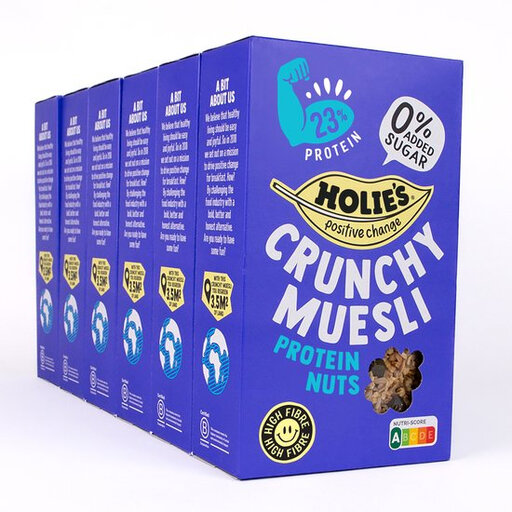
Why This Fits Their Persona: Ideal for those seeking a protein-rich meal after a workout or to start an active day. The combination of nuts and seeds provides not only protein but also healthy fats for sustained energy.
This product tackles the "healthy sugar bomb" pitfall with only 2.1 grams of sugar per 100 grams and no added sugars. The nutritional values are clear and performance-oriented.
22 grams of protein per 100g supports muscle recovery. Additionally, with 21 grams of fibre per 100g, it is extremely high in fibre, ensuring a long-lasting feeling of fullness.
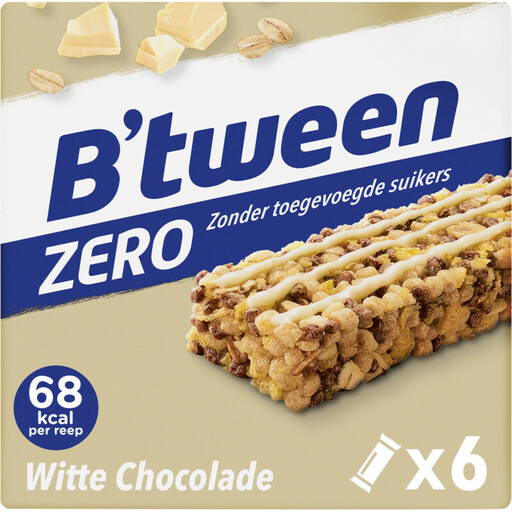
Why This Fits Their Persona: For those who need a quick and easy snack on the go, at the office, or after a workout. This muesli bar is a convenient, pre-portioned alternative to a bowl of cereal.
The "Zero" claim isn't just an empty marketing term here. The bar contains no added sugars. The individual packaging solves the pitfall of unrealistic portion sizes; one bar is one serving.
Convenience and portion control. According to the manufacturer, each bar contains only 68 kcal and is free from artificial colours. A practical and healthy snack.
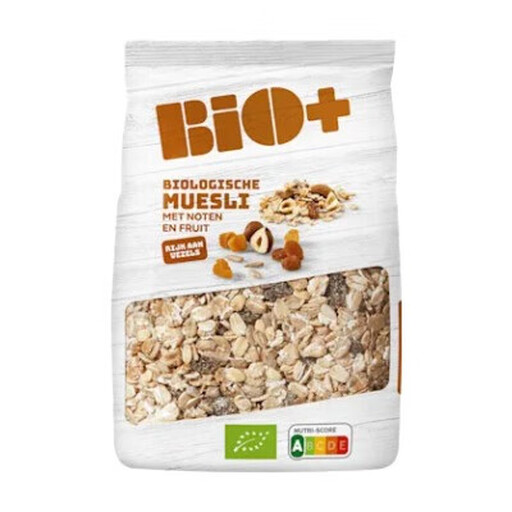
Why This Fits Their Persona: A sensible choice for the whole family. This organic muesli contains a mix of whole grains, dried fruit, and nuts, without unnecessary additives. Suitable for a nutritious breakfast for all ages.
This muesli has a short and clear ingredient list. The sugars (20.8g/100g) come from dried fruit, not from added syrups. It's an honest product without misleading claims.
Fully organic muesli, which means the ingredients are grown without chemical pesticides. The mix of grains, fruit, and nuts offers a good balance of nutrients.
We have compiled a complete, up-to-date list of products that meet these strict selection criteria.
Although the terms are often used interchangeably, there are clear differences:
According to most manufacturers, a standard portion is 30 to 45 grams. This is a good guideline, but the ideal amount depends on your energy needs, activity level, and the rest of your meal. Use a kitchen scale to get an idea of what a portion looks like and adjust it to your own needs.
That depends entirely on the bar. Many muesli bars in the supermarket are disguised candy bars with lots of sugar and few nutrients. A muesli bar can be an excellent healthy snack if you pay attention to the ingredients. Choose bars with whole grains as the main ingredient, nuts or seeds, and a sugar content of less than 10 grams per 100 grams. Bars sweetened only with fruit or with no added sugars are often a better choice.
