
Vandaag of morgen in huis

Kwaliteit gegarandeerd

Welkomstaanbiedingen ontgrendelen: GRATIS bezorging | Tot 80% korting | Gratis 30 dagen JoyPlus-proefperiode
Download de app
Granola might seem easy to choose, but packaging can give a misleading impression. A prominent claim such as “no added sugar”, for example, doesn’t automatically mean a product is low in calories. And “high in protein” can go hand in hand with high fat content or allergens. So if you’re looking for granola, it’s a good idea to check the label and nutrition table first.
Granola with no added sugar can still contain sugars from dried fruit or other ingredients. So check the of which sugars figure per 100 g. According to the product information, Holie’s Granola Nuts & Seeds contains 2.1 g of sugar per 100 g. Yespers’ apple and raisin variety contains 20 g of sugar per 100 g, partly from the raisins and dried apple.
High-protein granola may suit athletes and anyone looking to increase their protein intake. But portion size, energy and ingredients matter too. According to the nutrition table, Holie’s Granola Protein Crunch contains 20 g of protein per 100 g, as well as 451 kcal and 24 g of fat. It’s wise to choose a portion that suits your breakfast or snack, rather than focusing solely on the protein figure.
Granola often contains oats, wheat, barley, spelt, nuts, peanuts or soya. “Gluten-free” doesn’t automatically mean free from all allergens either. Holie’s gluten-free variety, for example, contains peanuts and may contain traces of various nuts and soya. If you have an allergy, always check the current packaging and allergen information.
Use the nutritional values per 100 g to compare products fairly. Pay particular attention to:
Ingredients are generally listed in descending order by weight. If wholegrain oats or another wholegrain cereal is listed first, it forms the base. Also check the proportion of nuts, seeds, dried fruit, fibre-rich ingredients and any sweeteners.
According to the product information, the base of Holie’s Nuts & Seeds includes wholegrain oat, barley and spelt flakes. It also contains almonds, hazelnuts, pecans and seeds. Bio+ B+ Granola Whole Wheat contains wheat, oat, barley and rye flakes, 22% raisins, and smaller amounts of apricot, sunflower seeds, hazelnuts, almonds and apple.
For vegans and vegetarians, it’s important to check the full ingredients list, not just the product name. Yespers Granola Apple & Raisin is described in the product information as suitable for vegetarians and vegans, but it does contain gluten. If you’re looking for gluten-free granola, you could consider the variety from Holie labelled as gluten-free. According to the label, it contains gluten-free wholegrain oats, buckwheat and peanuts, and provides 14 g of fibre and 15 g of protein per 100 g.
If you have a serious allergy, warnings such as “may contain traces of” are important. Check the packaging after purchase too, as recipes and labels can change.
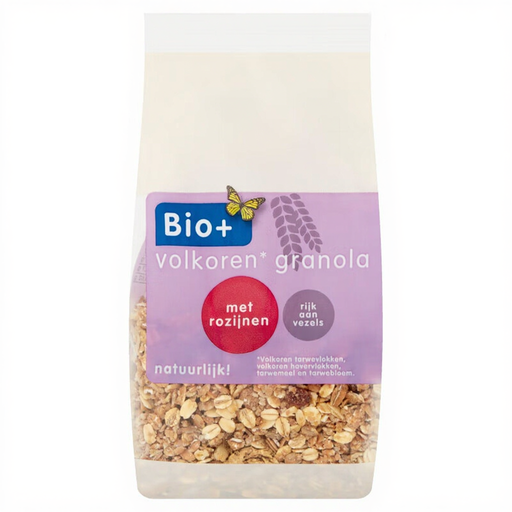
Why it suits this profile: An approachable mix of grains and dried fruit for anyone looking for a standard 350 g pack and a variety of flavours to enjoy.
The nutritional values let you check the sugar, fibre and protein content: 20.5 g of sugar, 9.3 g of fibre and 9.7 g of protein per 100 g.
A mix of wholegrains, raisins, apricot, sunflower seeds and nuts. The product information identifies the ingredients as organic in origin.
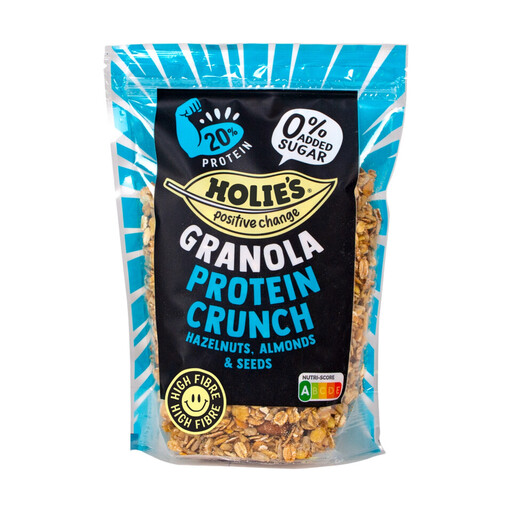
Why it suits this profile: A good choice if you want to pair high-protein, low-sugar granola with yoghurt, quark or a plant-based alternative.
The 0% added sugar claim is backed up by figures you can check: 2.8 g of sugar, 15 g of fibre and 20 g of protein per 100 g.
Contains sunflower seeds, wholegrains, soya flakes, wheat gluten, almonds and hazelnuts. Check these allergens before buying.
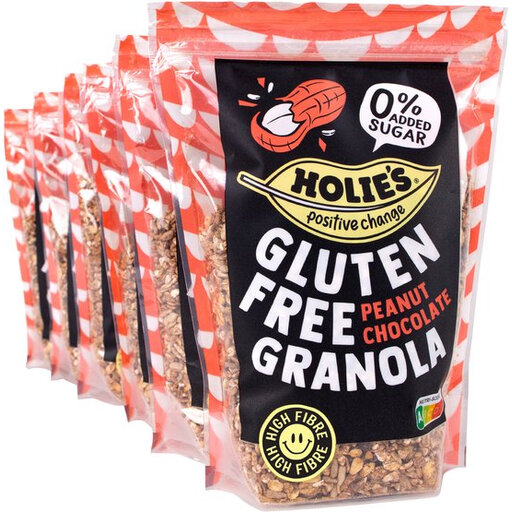
Why it suits this profile: A multipack of granola for households that regularly eat gluten-free breakfast cereals and want to keep a supply in the cupboard.
The product information specifically lists gluten-free wholegrain oats. Do check the warning about peanuts and possible traces of nuts and soya.
Six 330 g packs, with 14 g of fibre and 15 g of protein per 100 g. The flavour combination includes peanut butter and cocoa.
We’ve put together a complete, up-to-date list of products that meet these strict selection criteria and the applicable European safety regulations.
No. “No added sugar” only tells you that no sugar was added during production. Granola can still be relatively high in energy or fat because of nuts, seeds and oils. So compare the full nutrition table and check fibre, protein, sugars and portion size.
A high-protein granola with around 20 g of protein per 100 g, such as the Protein Crunch varieties mentioned above, can work well as part of a high-protein breakfast. The right choice also depends on your overall diet, preferred energy intake and any allergens. Try combining granola with yoghurt, quark or a plant-based alternative.
Store granola according to the product information, in a cool, dry place away from direct sunlight and moisture. Seal the pack tightly to keep it crunchy. If you have a multipack, leave unopened packs sealed and use one pack at a time. Check the best-before information on the packaging before eating.
