A large pack of breakfast cereal can work well for everyday use if your household gets through it and the contents, portions and ingredients suit your breakfasts. Choose porridge oats or a wholegrain cereal as a versatile porridge base, portion sachets if measuring is the main challenge, or a crunchy option if taste and texture are what matter most. Check the label and allergens for each variety, along with how to store the pack once opened.
Who might benefit from larger packs?
Households looking to stock up on breakfast
If breakfast cereal is on the table at home several days a week, check how many portions a pack contains and whether you can store it properly once opened. A 2-pack is most practical when you know the household will actually get through both packs.
Shoppers looking for a versatile cereal base
If you make porridge or have cereal with yoghurt, compare plain oats and wholegrain cereal by their ingredients and nutritional values per 100 g. Check the type of grain and the allergen information too: oats and wheat are not interchangeable.
Breakfast eaters short on time to prepare food
Pre-portioned sachets save you measuring, but a quick breakfast still needs the right liquid and a way to prepare it. The Quaker Oats Express Natural sachets described by Albert Heijn state a preparation time of 2 minutes.
What should you look for when choosing?
For weekday breakfasts at home, start by deciding what you actually eat. Then compare how much you’ll get through, the specific recipe and whether the preparation fits into your morning.
| What to consider | What to check before buying | Who it matters to |
|---|
| Pack size |
Compare the net weight and number of portions. Consider whether you can seal the pack properly after opening and use it all. |
If breakfast cereal is often on the table, I want to stock up in a way that suits how much we use. For around 34% of consumers, planning their supplies comes first. |
| Type of grain and nutritional value |
Read the ingredients list and compare fibre, sugars and fat per 100 g for the specific varieties. |
If you want to put together your own breakfast, you’ll want to know which grains and ingredients are in the pack. For around 33% of consumers, nutritional profile is the deciding factor. |
| Preparation and portions |
Check the portion size, preparation time and any liquid or equipment required. |
On a busy working day, I don’t want to measure out a portion every time or plan a lengthy preparation. For around 20% of consumers, convenience is the main priority. |
| Taste and texture |
Choose the variety you want, and check its ingredients and allergens too. |
If the people you live with mainly want a crunchy breakfast, a larger pack needs to suit what they enjoy eating. This is the main priority for around 13% of consumers. |
Common mistakes
-
Assuming a large pack is automatically better value
Packs vary in weight, portion size and recipe. More contents won’t help much if you don’t use them all or are actually looking for a different kind of breakfast.
Compare the number of breakfast portions and choose an amount that suits your usage and storage options.
-
Assuming crunchy cereal is the same as plain porridge oats
Crunchy muesli and plain porridge oats have different recipes. The Quaker Cruesli Chocolate value pack described by Albert Heijn contains 16 g of sugars and 19 g of fat per 100 g; the nutritional values may differ for other flavours.
Choose based on the breakfast you want to make and read the nutritional information for the exact flavour, rather than relying on the product range name on the front.
-
Skipping the label when choosing a different flavour
The grains and other ingredients used can vary between varieties. Even within a familiar product range, the allergen information on the pack you buy is what matters.
Check the pack’s label before use, especially if you need to avoid allergens or gluten-containing grains.
-
Buying a bulk pack without a storage plan
A large pack needs to be stored appropriately once opened and should suit how much breakfast cereal your household eats.
Check the storage instructions on the pack and reseal it as directed after use.
If a pack stays open for a long time or doesn’t get finished, some of it could go to waste.
Brands and product ranges compared
The nutritional values and pack sizes mentioned apply to the products described, not to every breakfast cereal from the same brand.
Quaker
Quaker offers plain porridge oats, Express portion sachets and crunchy Cruesli varieties to compare. These are different breakfast options, even if they sit next to each other on the shelf.
- The 600 g pack of porridge oats described by Albert Heijn states that it contains 15 portions; the Express sachets state a preparation time of 2 minutes.
- For Cruesli, check the exact flavour and nutritional values: the chocolate variety reviewed contains 16 g of sugars and 19 g of fat per 100 g.
Brinta
Brinta Wholegrain Cereal Breakfast is an option if you’re looking for a warm wheat-based porridge rather than crunchy breakfast cereal.
- Albert Heijn’s product information lists wholegrain wheat, 10 g of fibre and 4.6 g of sugars per 100 g for the cereal breakfast described.
- This wheat product needs to be prepared with warm milk or an alternative. A 500 g pack is not a multipack in itself.
Kellogg's
Kellogg's Oaties Original Crunch is a crunchy breakfast cereal for anyone who chooses mainly by taste and texture.
- Albert Heijn lists 8.4 g of fibre per 100 g for this product.
- The same nutritional information lists 20 g of sugars per 100 g. Don’t compare this specific recipe as if it were plain porridge oats.
Cruesli
Cruesli is Quaker’s crunchy product range, which includes varieties in larger packs and multipacks.
- Albert Heijn describes both a Nuts & Seeds 2-pack and an 850 g Chocolate value pack.
- Ingredients and nutritional values depend on the flavour; the name Cruesli alone doesn’t tell you enough about the label on an individual pack.
Albert Heijn
Albert Heijn is a retailer where you can compare the pack sizes and product information for different breakfast cereals side by side.
- The product pages described show details including net weight, ingredients, nutritional values and allergen information.
- Check the current product label when you buy: recipes and product ranges can change.
Nestlé
The Nestlé product described is baby cereal, not a directly comparable bulk pack of regular breakfast cereal.
- Albert Heijn describes Nestlé Baby Cereals Multigranen as suitable from 6 months, with its own preparation instructions.
- Don’t treat baby cereal as an alternative to porridge oats, cereal breakfast or crunchy muesli for a general household breakfast.
Breakfast products on Joybuy
This selection includes porridge oats and cereal breakfast for a customisable breakfast bowl, as well as a cereal product in a pack containing individual portions. For your weekday routine, compare the size and label of each individual product.
 Image unavailable
Quaker porridge oats 600 g
For a household that regularly makes its own oat-based breakfasts. The pack contains 600 g; the product information for this Quaker pack states that it contains 15 portions. Check the label for preparation instructions, allergens and storage advice.
View on Joybuy
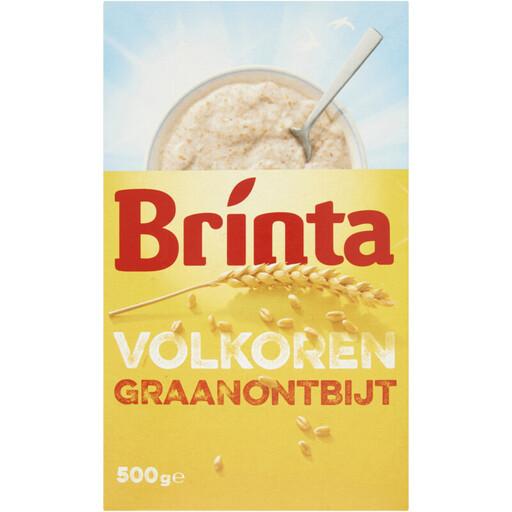 Image unavailable
Brinta wholegrain cereal breakfast 500 g
For anyone who wants to make a warm wholegrain wheat porridge on a weekday. This is a 500 g pack, not a multipack. The Brinta product described contains wheat; check the label when you buy if allergens are important to you.
View on Joybuy
 Image unavailable
Brinta porridge oats 450 g
A 450 g pack of porridge oats to consider if you regularly make an oat-based breakfast. Check the pack you buy for preparation instructions and allergen information; don’t rely solely on a statement about gluten.
View on Joybuy
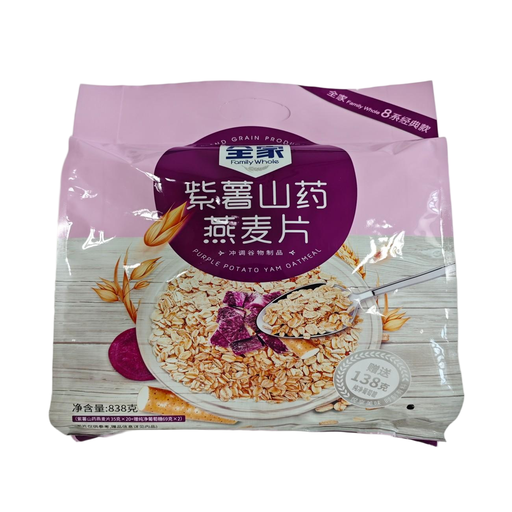 Image unavailable
Family Whole Purple Sweet Potato Yam Oat Flakes with Pure Glucose, 838 g
Consider this cereal product if individual portions suit your morning routine; the pack is listed as 838 g and also contains Pure Glucose. Don’t assume it’s directly comparable to plain porridge oats. Before use, read the ingredients, nutritional information and allergens on the pack, paying particular attention to the sugars listed.
View on Joybuy
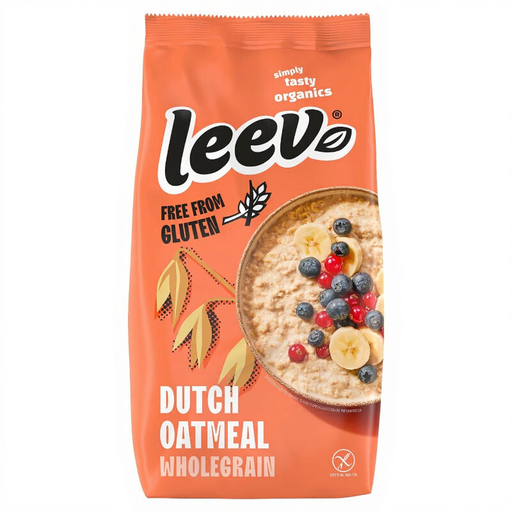 Image unavailable
Leev Dutch Oatmeal 450 g
A 450 g pack of porridge oats for anyone looking to add an oat-based breakfast to their routine. Check the current label for portion size, preparation method and allergens; don’t assume it’s suitable for a gluten-free diet based on the product name alone.
View on Joybuy
Frequently asked questions
Is a 2-pack or large pack always a sensible choice?
No, the size needs to suit how much your household gets through. Compare the net weight and number of portions with a single pack you’d use for the same breakfast, and check how to store the product once opened.
How do I compare porridge oats with crunchy breakfast cereal?
First, consider how you’ll use them: plain porridge oats are a base that you prepare and add to yourself, while a crunchy variety offers a different taste and texture. Then read the ingredients and nutritional values per 100 g for the exact products. The Dutch Nutrition Centre includes wholegrain cereal products in the Wheel of Five, but that doesn’t make the recipes of individual breakfast cereals the same.
Where can I check allergens in breakfast cereal?
Read the allergen information on the pack you buy, even if you’ve used the same product range before. Breakfast cereals can contain different grains and other allergens; the Netherlands Food and Consumer Product Safety Authority stresses the importance of accurate allergen information on food labels.
Can I compare baby cereal with regular breakfast cereal for the household?
No, treat baby cereal as a separate product category. The Nestlé Baby Cereals Multigranen described by Albert Heijn is labelled for use from 6 months and has its own preparation instructions; it’s not a direct alternative to regular porridge oats, cereal breakfast or crunchy muesli for a general household breakfast.


