
Vandaag of morgen in huis

Kwaliteit gegarandeerd

Welkomstaanbiedingen ontgrendelen: GRATIS bezorging | Tot 80% korting | Gratis 30 dagen JoyPlus-proefperiode
Download de app
A box of breakfast cereal might seem simple to pick, but packaging can give a misleading impression. Terms like “wholegrain”, “high in protein” and “no added sugars” each tell only part of the story. The ingredients list, nutritional information and serving size ultimately determine whether a product suits your breakfast.
For shoppers in the UK, there are three key pitfalls to watch out for:
Breakfast cereals aren’t a uniform product group. Porridge oats, oat porridge, muesli, granola and instant cereal products all differ in composition, preparation time and nutritional value.
Porridge oats and wholegrain oats often contain few ingredients. According to the product information, Brinta Oatmeal consists of 100% oat flakes. With granola, the grains are usually baked with oil, nuts, seeds or sweetening ingredients. This gives a crunchy texture, but can also increase the fat and energy content.
For a quick breakfast option, portion sachets or instant breakfast products are practical. However, do check what you add: milk, yoghurt, fruit, honey and toppings all change the overall nutritional value. If you’re looking for a high-protein breakfast, it’s a good idea to compare the protein content per 100g rather than relying solely on the front of the pack.
Ingredients are listed in descending order by weight. If sugar, syrup or a sweet ingredient appears early in the list, it makes up a relatively large part of the product. Also check whether wholegrain cereals or oat flakes are actually listed as the main ingredient.
A product may be promoted as a wholegrain breakfast, yet still have sugar, oil or syrup added. That doesn’t automatically make it unsuitable, but it is important to look at the full composition.
Use the values per 100g to compare breakfast cereals fairly. Pay particular attention to:
For example, according to the product information provided, Quaker Oatmeal 600g contains 9g of fibre, 11g of protein and 1.1g of sugars per 100g. Holie's Granola Protein Almond Speculaas lists 20g of protein and 14g of fibre per 100g, but also 27g of fat and 462 kcal. These are verifiable differences that you need to weigh up against your own eating habits.
A product that’s ready in two minutes can be handy on busy mornings. Quaker Cinnamon Oatmeal comes in ten sachets of 33g and, according to the instructions, can be prepared with milk in around two minutes. Brinta Wake Up Natural is designed to be mixed with hot or cold water and, according to the product information, is ready in one minute.
Always check the allergen information too. Many breakfast cereals contain or may contain traces of gluten, wheat, barley, soya, milk or nuts. This applies, for example, to various oat, muesli and granola products. If you have an allergy or intolerance, the packaging is the definitive source; always check the current information before purchasing.
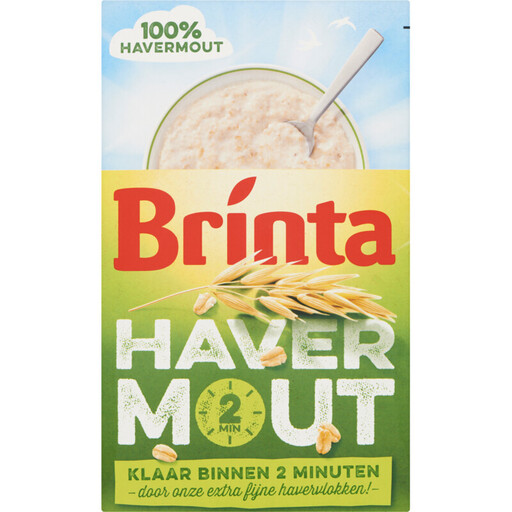
Why this fits the profile: A simple choice for anyone wanting to start with minimal ingredients and add their own fruit, milk or yoghurt.
The ingredients list states 100% oat flakes; however, always check the current packaging for possible traces of other grains.
9.7g of fibre and 13g of protein per 100g; according to the product information, ready in just a few minutes.
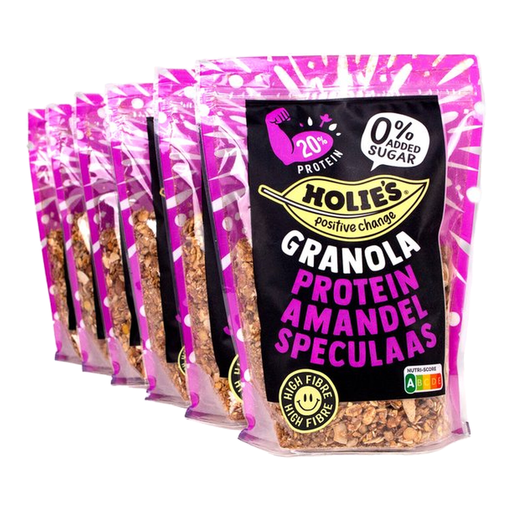
Why this fits the profile: Ideal for anyone looking for a crunchy granola with nuts, speculaas spices and a relatively high protein content.
The nutritional information makes it clear that a lower sugar content is not the same as a low energy or fat content.
20g of protein and 14g of fibre per 100g; the product information states 0% added sugar.
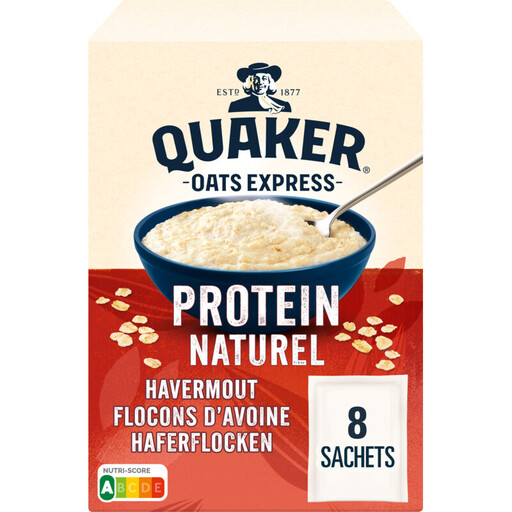
Why this fits the profile: Handy for athletes or busy workdays when you need a warm bowl of porridge ready in around two minutes.
The claim “no added sugars” can be cross-checked against the table: the stated value is 1.2g of sugars per 100g.
22g of protein, 7.2g of fibre and 3.1g of beta-glucans per 100g according to the product information.
We’ve put together a full, up-to-date list of products that fully meet these strict selection criteria and comply with current European safety regulations.
Choose a product with a short preparation time and clear serving instructions. Instant porridge oats and portion sachets are often ready in one to two minutes. However, do check the sugar, fibre and protein content per 100g.
No. “No added sugars” means that no extra sugar has been added during production, according to the product labelling. The product can still contain naturally occurring sugars. Always look at the “of which sugars” line in the nutritional information table.
Follow the storage and best-before information on the packaging. Generally, store breakfast cereals in a cool, dry place, away from moisture and direct sunlight, and seal the pack tightly. For granola and muesli, an airtight seal helps keep the crunchy texture for longer.
