
Brunch host who wants to serve wholegrain
You’re looking for a product that’s clearly labelled as wholegrain, even if that means swapping classic cornflakes for wheat flakes or another breakfast cereal.


If wholegrain is a priority for your Easter brunch, choose breakfast cereal that is explicitly labelled as wholegrain; ordinary or unsweetened cornflakes are not necessarily wholegrain. According to the Netherlands Food and Consumer Product Safety Authority, a product can only be called wholegrain in the Netherlands if 100% of its grain ingredient is wholegrain flour. If you’d rather serve familiar cornflakes, compare the fibre, sugars, salt and allergens listed on the label separately.
You’re looking for a product that’s clearly labelled as wholegrain, even if that means swapping classic cornflakes for wheat flakes or another breakfast cereal.
You want to stick with familiar cornflakes and compare the ingredients, sugars and salt without confusing unsweetened with wholegrain.
You want to put out a selection of breakfast cereals for your guests. If anyone has allergies, check the latest allergen information in advance, including warnings about possible traces of other allergens.
First decide whether wholegrain is a must-have or whether cornflakes matter more. Then compare the nutritional information and check that the options are suitable for your guests.
| What to consider | What to check when buying | Who is this important for? |
|---|---|---|
| Wholegrain | Look for an explicit wholegrain label and check which grains the product contains. Organic or unsweetened does not automatically mean wholegrain. | I want to serve a product that’s clearly wholegrain at brunch, even if it isn’t cornflakes. This is the top priority for around 36% of consumers. |
| Nutritional information | Compare fibre, sugars and salt on the same basis, for example per 100 g, then consider the portion you’ll serve. | When choosing a bowl of breakfast cereal, I want to look beyond the fibre and know how much sugar and salt it contains too. This is the first consideration for around 29% of consumers. |
| Taste and texture | Choose deliberately between cornflakes, wheat flakes and other breakfast cereals: they’re different products. | My guests may be expecting familiar cornflakes, while a wholegrain alternative will have a different taste and texture. This matters most to around 21% of consumers. |
| Allergens | Read the latest allergen information for every product you serve, including warnings about possible traces. | If guests need to avoid certain ingredients, I don’t want to rely on the grain or product name alone. This check is the highest priority for around 14% of consumers. |
According to Jumbo, Smaakt Bio Cornflakes Ongezoet contains organic maize, but the product page doesn’t label these cornflakes as wholegrain. These terms therefore answer different questions when you’re choosing a product.
If wholegrain is your main requirement, check separately that the product is explicitly labelled as wholegrain.
For Kellogg's All-Bran Fruit'n Fibre, Jumbo lists 8.8 g of fibre, 23 g of sugars and 1.1 g of salt per 100 g. One nutritional value doesn’t tell you the whole story.
When comparing products, put their nutritional information side by side, using figures per 100 g for each.
The product information for Kellogg's All-Bran Fruit'n Fibre lists wheat and barley and warns that other allergens may be present. The product name alone doesn’t tell guests what they need to know.
Read the latest packaging and keep products and serving utensils clearly separate if guests need different options.
Albert Heijn’s own-brand AH Bran flakes volkoren are an option if you’re looking for wholegrain wheat flakes rather than cornflakes.
Kellogg's offers both corn-based Corn Flakes and separate wheat-based All-Bran products.
Smaakt Bio Cornflakes Ongezoet is a cornflake option if you specifically want to compare the ingredients and nutritional information of an unsweetened variety.
ALDI’s own brand includes both ordinary cornflakes and separate wholegrain breakfast cereals in its range.
These products offer alternatives to classic cornflakes for an Easter brunch: wheat and oat cereals, plus a crunchy mix. Check that the grain, preparation method and allergens are suitable for your guests for each product.
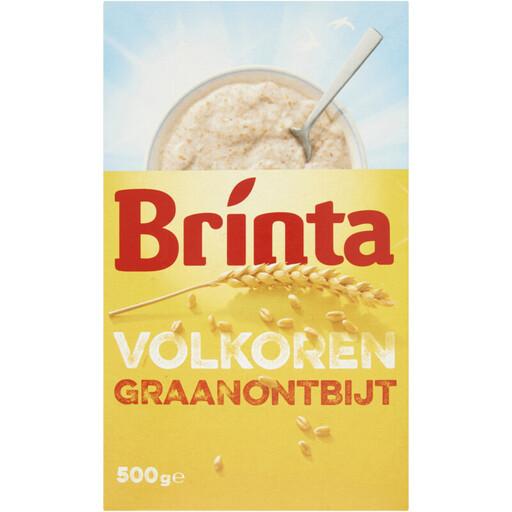 Image unavailable
A good choice if you want to serve a breakfast made with wholegrain wheat at brunch instead of classic cornflakes. Bear in mind that it’s prepared as a hot bowl, and check the latest packaging if any guests have allergies.
 Image unavailable
An option if you’d like to serve porridge and aren’t looking for the shape and texture of cornflakes. Check the latest allergen information before serving it to guests.
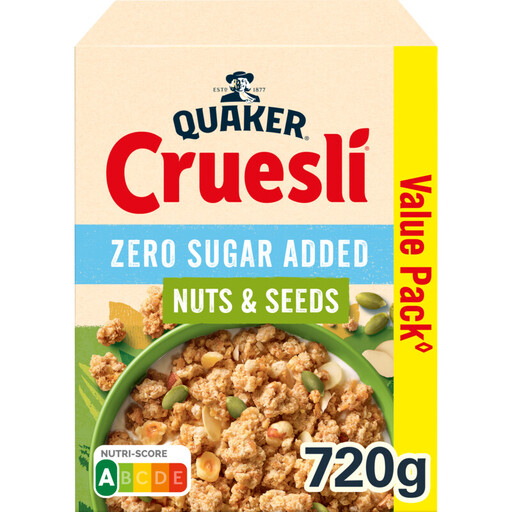 Image unavailable
A crunchy breakfast cereal mix if you want to serve something other than porridge or cornflakes. Don’t assume the whole product is wholegrain without checking the label; also check the allergen information for your guests.
Check whether the product is explicitly labelled as wholegrain and read which grains it contains. According to the Netherlands Food and Consumer Product Safety Authority, a product can only be called wholegrain in the Netherlands if 100% of its grain ingredient is wholegrain flour; terms such as organic or unsweetened don’t answer that question.
No, unsweetened doesn’t automatically mean wholegrain. Jumbo doesn’t label Smaakt Bio Cornflakes Ongezoet as wholegrain, so check the wholegrain label separately from the information about sugars.
Keep dry flakes separate from milk, yoghurt or quark, and only combine them when serving. Store any leftover breakfast cereal according to the instructions on the packaging.
Check the latest allergen information on the packaging of every breakfast cereal, including statements such as ‘may contain’. The Netherlands Food and Consumer Product Safety Authority says allergen information must appear on the labels of prepacked products; don’t rely on the product name or type of grain alone.