
Shoppers comparing fibre
You’re looking for breakfast cereals where you can take the wholegrain content and fibre into account. Diabetes Fonds identifies low-fibre cornflakes as a less obvious everyday choice for people with diabetes.


If you’re comparing breakfast cereals for diabetes, the names ‘cornflakes’ and ‘wholegrain’ only tell you so much. Diabetes Fonds lists wholegrain porridge oats and muesli as options to consider alongside low-fibre cornflakes. Then compare the fibre, sugars, carbohydrates and salt per 100 g. The amount you eat and any toppings you add matter too.
You’re looking for breakfast cereals where you can take the wholegrain content and fibre into account. Diabetes Fonds identifies low-fibre cornflakes as a less obvious everyday choice for people with diabetes.
You want to see how much sugar, carbohydrate and salt different breakfast cereals contain per 100 g, even when the front of the pack focuses on wholegrains.
You like the texture of flakes, but want to compare regular cornflakes with wholegrain or bran varieties. You’ll also check the ingredients and allergens that matter to you.
Porridge oats, muesli and flakes call for different considerations. First compare the type of breakfast cereal, then check the label of the specific product.
Could suit you if: You want to compare a wholegrain breakfast cereal with cornflakes; Diabetes Fonds gives porridge oats and muesli as examples.
Bear in mind: Muesli may contain added ingredients. Check the ingredients and nutritional information for the variety you choose.
Could suit you if: You want flakes while also considering wholegrains or fibre.
Bear in mind: Wholegrain doesn’t mean no added sugar: Albert Heijn states that AH Bran flakes volkoren contain 12 g of added sugars per 100 g.
Could suit you if: You’re specifically looking for regular cornflakes. Compare their nutritional information with wholegrain alternatives.
Bear in mind: Diabetes Fonds gives cornflakes as an example of a low-fibre breakfast cereal. Kellogg's states that Corn Flakes contain 3 g of fibre and 84 g of carbohydrates per 100 g.
| What to consider | What to check | Who it matters to |
|---|---|---|
| Wholegrains and fibre | Read the ingredients list and compare fibre per 100 g. | If I want to replace regular cornflakes, I want to know whether the alternative really contains wholegrains and how much fibre it provides. For around 42% of shoppers, this question of fibre would come first. |
| Sugars and salt | Compare ‘of which sugars’ and salt per 100 g; check the ingredients for added sugar. | A wholegrain label isn’t enough for me if I also want to keep an eye on added sugar. This label check would be the top priority for around 33% of shoppers. |
| Carbohydrates and portion size | Compare carbohydrates per 100 g, then calculate the amount in your own portion. | I want to be able to work out how much carbohydrate is in my bowl of cereal, including anything I add to it. Portion size would therefore matter most to around 25% of shoppers. |
A wholegrain product can contain added sugar too. Albert Heijn states that AH Bran flakes volkoren contain 15 g of fibre and 12 g of added sugars per 100 g.
As well as checking the wholegrain claim, read the ingredients list and nutritional information.
Diabetes Fonds lists cornflakes as a low-fibre breakfast cereal. Kellogg's Corn Flakes contain 3 g of fibre per 100 g, so the product name doesn’t mean they’re a wholegrain or bran variety.
Compare the type of grain and the fibre per 100 g before switching products.
According to Voedingscentrum, manufacturers set their own portion sizes. This means portion values aren’t a consistent basis for comparing two packs.
Compare per 100 g first, then work out the values for the amount you serve, including any additions.
Flakes and other breakfast cereals may contain ingredients that are allergens for you. The Netherlands Food and Consumer Product Safety Authority stresses that allergens must be clearly listed on the label.
Check the current allergen information on the pack before eating.
The range includes Corn Flakes, All-Bran Flakes and Special K Original, each with a different recipe.
The own-brand range includes AH Bran flakes volkoren, as well as other types of breakfast cereal.
The range includes regular cornflakes, special flakes and wholegrain porridge oats.
Golden Bridge products at ALDI include wholegrain muesli, wholegrain porridge oats and a 7-grain wholegrain breakfast cereal.
Lidl’s range includes a 7-grain breakfast cereal made with wholegrains.
These products include porridge oats, Cruesli and a wheat-based breakfast cereal to compare with regular cornflakes. Always check the label of the specific pack when making your choice.
 No image available
Porridge oats to compare as an alternative to regular cornflakes. Check the nutritional information per 100 g and calculate the carbohydrates for the amount you use.
 No image available
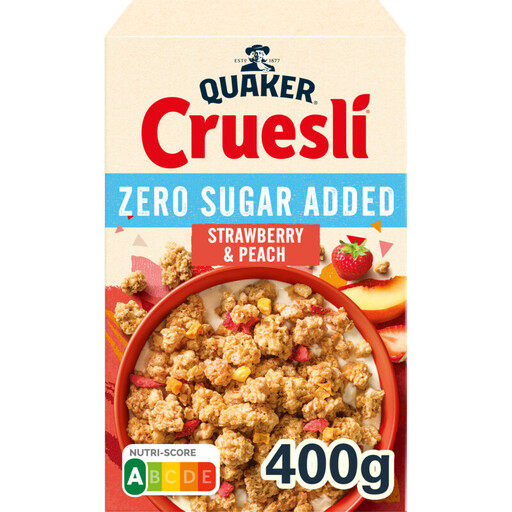
A Cruesli variety to compare if you’re looking for crunchy breakfast cereal. Check the ingredients and nutritional information for this variety; don’t assume the product name tells you the total amount of sugars.
 No image available
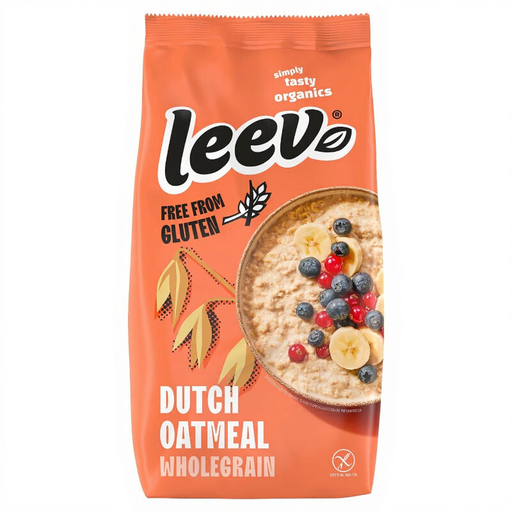
Porridge oats to compare with other breakfast cereals. The gluten-free claim and allergen information for this product contradict each other. If you need to avoid gluten, don’t rely on the claim; check the packaging carefully.
 No image available
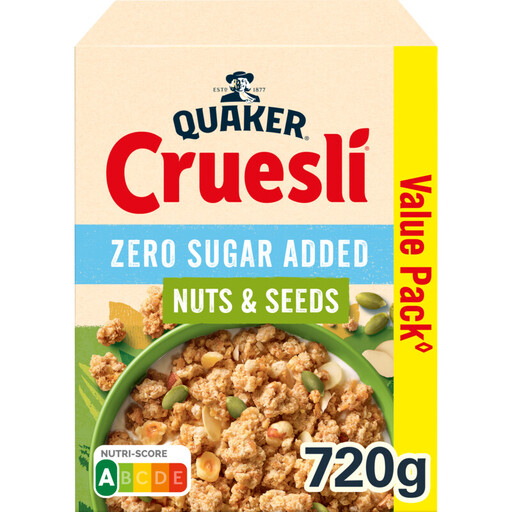
A Cruesli variety for anyone looking to compare breakfast cereals with nuts and seeds. The ingredients information lists almonds and hazelnuts, among other things; check the allergen information if you need to avoid nuts.
 No image available
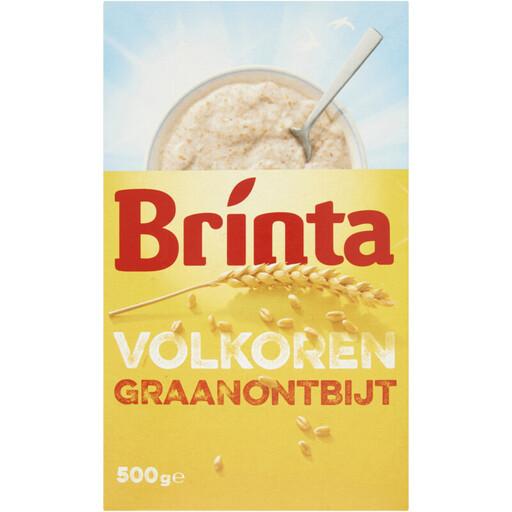
A wheat-based breakfast cereal to compare with cornflakes and porridge oats. The allergen information lists wheat and cereals containing gluten; check the packaging if you need to avoid these.
No. That claim alone doesn’t show whether a product suits someone’s eating plan. The European Commission says there is no scientific basis for specific EU compositional requirements for foods for people with diabetes. So check the ingredients, nutritional information and the amount you eat.
Compare breakfast cereals per 100 g first, then calculate the values for your own portion. Voedingscentrum points out that manufacturers set their own portion sizes, so the stated portions may differ from one product to another.
Don’t assume they are based on the product name. Kellogg's lists barley malt extract in Corn Flakes, while AH Bran flakes volkoren contains wheat and barley. Check the current ingredients and allergen information for every product.
Yes. Consider the amount of cereal together with anything you add to it. Diabetes.nl says that a suitable eating plan can vary from person to person; discuss individual questions about your diet and treatment with your healthcare professional or dietitian.