For a workplace canteen, choose individually wrapped breakfast cake if staff serve themselves or take a portion with them. An unsliced flavour is a better fit when presentation and a distinctive taste are priorities, but it needs to be sliced. Assess organic, wholemeal and other composition options by checking their own labels; if you serve the cake unwrapped, make allergen information available too.
Who is this choice relevant to?
Canteen managers offering self-service
At a lunch station where staff help themselves, individually wrapped slices or bars cut down on preparation and make portion sizes clear. Peijnenburg, for example, lists a pack of ten individually wrapped 28 g slices.
Buyers looking for a distinctive lunch range
A ginger flavour or an organic range can add something different to the lunch selection compared with plain breakfast cake. The flavour or provenance alone does not tell you anything about its nutritional value.
Canteens with product composition policies
If you want to offer a wholemeal or no-added-sugar option, you’ll need the nutritional information, ingredients and allergen details for the exact product. The variant name alone isn’t enough.
What should you consider when choosing?
First, decide how the breakfast cake will be served at lunchtime. Then choose the flavour or composition you want and check the label of the product that will actually be stocked in the canteen.
| What to consider |
What to check when buying |
Who is this important to? |
| Serving and portions |
Check whether the slices or bars are individually wrapped and how many are in the pack. If serving the cake unwrapped, keep a record of the allergen information. |
During a busy lunch, I want staff to be able to grab a clearly defined portion quickly. For around 31% of consumers who put together the canteen selection, ease of serving comes first. |
| Flavour and range |
Decide whether a distinctive flavour or organic provenance is the goal, then check the ingredients and portion format. |
If breakfast cake is to have a more prominent place in the lunch selection, I want to find an option that fits. A distinctive flavour or presentation is the first consideration for around 25% of these consumers. |
| Nutritional information |
Compare sugars and fibre per 100 g and per portion, as well as the ingredients and allergens for the exact product. |
When our range needs to meet composition requirements, I want to be able to explain the choice using the label. This information matters most to around 25% of consumers. |
| Packaging and leftovers |
Compare the number of usable portions with expected demand, and consider what opening, slicing and replenishing the product will involve. |
When lunchtime demand varies, I want to avoid being left with lots of opened cake. Around 19% of consumers give matching the quantity to demand their highest priority. |
Common mistakes
-
Treating ‘premium’ or ‘organic’ as a nutritional assessment
These words do not indicate a set amount of sugars or fibre. Choosing an organic product does not remove the need to check its ingredients and allergens.
Decide what you want to add to your range, then read the nutritional information and ingredients list for that specific breakfast cake.
-
Assuming ‘no added sugars’ means ‘sugar-free’
According to the Netherlands Nutrition Centre, products with no added sugars can still contain sugars.
Don’t treat the wording on the pack as a different claim. Check the ‘of which sugars’ line and the ingredients for the product you’ve chosen.
-
Looking only at the pack size
An unsliced cake needs to be cut; individual portions need less preparation for self-service. The usable quantity also depends on how much is taken during lunch.
Compare portion size, the number of portions and how the cake will be served before choosing a pack format.
-
Serving breakfast cake unwrapped without allergen information
The Netherlands Food and Consumer Product Safety Authority requires sellers of non-prepacked food to make information about relevant allergens available.
Keep the latest product information, include any toppings or spreads in your assessment, and make sure staff can provide the correct allergen information before anyone makes a choice. Update the information if a product or recipe changes.
Brands and ranges to consider
Peijnenburg
Peijnenburg offers breakfast cake in a range of flavours and portion formats, including individually wrapped slices and bars.
- Peijnenburg says its plain 10-pack contains ten individually wrapped 28 g slices, making it a practical option for self-service.
- Check the ingredients and allergens for each variant, as they may differ across the range.
AH Biologisch
Albert Heijn describes its 400 g plain organic breakfast cake as unsliced and displays the EU organic logo and NL-BIO-01.
- Its stated organic provenance may suit a range with an organic focus.
- The unsliced format needs portioning; also check the nutritional information and allergens on the current pack.
Koek & Bakker
ALDI lists pre-sliced wholemeal and zero breakfast cake under Koek & Bakker, alongside an unsliced ginger version.
- Choosing between pre-sliced cake and a ginger version gives you different portion formats or flavours to consider.
- The ginger version still needs to be sliced. Assess the nutritional information and allergens for each product separately.
Lidl Ontbijtkoek Zero
Lidl Netherlands lists Ontbijtkoek Zero as a 485 g product.
- The named variant gives you a specific product to assess alongside other breakfast cakes.
- Don’t assume a particular nutritional value from ‘Zero’; check the ingredients, nutritional information and allergens on the pack.
Breakfast cake at Joybuy for portioned serving
This individually portioned breakfast cake is one option for self-service or taking away. Before serving it in the canteen, check the current packaging, especially if a nutritional claim or allergen information is important.
 No image available
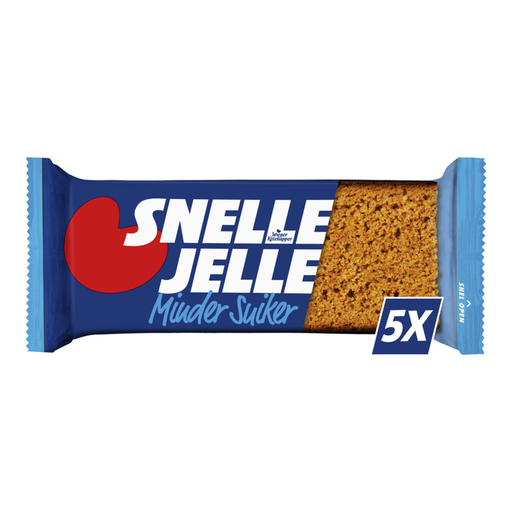
Snelle Jelle Breakfast Cake Less Sugar-Free 250 g
The portion pack may suit self-service or taking away. The product name states 250 g; check the pack for the number and weight of the individual portions.
The words ‘Less Sugar-Free’ in the product name do not confirm that this breakfast cake is sugar-free. Read the current nutritional information and check the allergen information before serving, including details about rye and possible traces of nuts or milk.
View at Joybuy
Frequently asked questions
Does a canteen need to provide allergen information if breakfast cake is served unwrapped?
Yes. The Netherlands Food and Consumer Product Safety Authority requires sellers of non-prepacked food to make information about relevant allergens available. Use the latest information for the breakfast cake being served and include any additions in the information provided to staff and guests.
Is breakfast cake with no added sugars also sugar-free?
No, the terms do not mean the same thing. According to the Netherlands Nutrition Centre, a product can still contain sugars even if no sugars have been added. So check the nutritional information for the exact product, particularly the ‘of which sugars’ line.
What does ‘premium’ tell you about the nutritional value of breakfast cake?
Nothing on its own: ‘premium’ may refer to the flavour, provenance or presentation of breakfast cake. To assess its nutritional value, compare the information per 100 g and per portion on the pack rather than relying on the product name.
Does all breakfast cake in the Netherlands contain iodine from baker’s salt?
That is not what the rule described by the Netherlands Food and Consumer Product Safety Authority says. It sets out the conditions under which iodine compounds may be present in bakery products through baker’s salt; it does not say that every breakfast cake contains them. Only treat iodine as a product feature if the information for the cake you’ve chosen supports this.


