
Parents considering breakfast cake for a quick breakfast
If a slice of breakfast cake might replace a regular breakfast, the Netherlands Nutrition Centre’s advice can help you choose a suitable breakfast staple for children aged 1 to 3 first.


Don’t use breakfast cake as a regular replacement for a toddler’s breakfast: the Netherlands Nutrition Centre recommends bread as a staple, with wholegrain breakfast cereals as one possible alternative. If you choose breakfast cake occasionally, compare cocoa, zero and wholegrain varieties by checking their current ingredients, nutritional information and allergens. A dark name or a claim on the front of the pack doesn’t tell the whole story.
If a slice of breakfast cake might replace a regular breakfast, the Netherlands Nutrition Centre’s advice can help you choose a suitable breakfast staple for children aged 1 to 3 first.
If you’re looking for a particular flavour or recipe, compare the sugars, sweeteners, fibre and cocoa content on the label.
If you’re packing breakfast cake to take along, the current allergen information and any arrangements at school or childcare will help determine your choice.
First, decide whether the breakfast cake would replace breakfast or simply be an addition. Then check the packaging for allergens and ingredients, particularly if your child will take it to school or childcare.
| What to consider | What to check | Who it matters to |
|---|---|---|
| The breakfast staple | Decide whether the breakfast cake would replace bread or another breakfast. The Netherlands Nutrition Centre recommends bread as a staple, with options such as porridge or wholegrain breakfast cereals without added sugar or salt as alternatives. | If breakfast cake might replace a regular breakfast, I’d first want to choose a staple that’s suitable for a toddler. For around 42% of consumers, choosing a breakfast comes first. |
| Allergens and taking food along | Read the current allergen information, even if the packaging is new, and ask about arrangements at school or childcare. | When I pack something for my child, I want to know that it suits their allergies and meets the arrangements at the setting. Around 33% of consumers give this the highest priority. |
| Sugars, sweeteners and cocoa | Compare sugars and fibre per 100 g, check the portion size and see which sweeteners or how much cocoa are listed in the ingredients. | When choosing a cocoa or zero variety, I want to find the flavour or recipe I’m looking for without relying on the product name alone. An estimated 25% of consumers put this comparison first. |
Albert Heijn states that Peijnenburg Zero Cacao contains 1% cocoa powder. The name alone doesn’t tell you how much cocoa the breakfast cake contains.
Check the ingredients list for the cocoa percentage in the variety you’re buying.
A zero variety may still contain sugars and sweeteners. Jumbo lists maltitols in its zero breakfast cake and warns that excessive consumption may have a laxative effect.
Read both the ingredients list and the nutritional information. Compare sugars per 100 g and check the size of a slice.
Jumbo states that its wholegrain breakfast cake contains 35.9% wholegrain rye, but also glucose-fructose syrup and 35.5 g of sugars per 100 g. Wholegrain rye doesn’t tell you everything about the ingredients.
As well as the type of grain, compare sugars, fibre, salt and allergens.
The cocoa, zero and wholegrain varieties discussed here list cereals containing gluten, rye or wheat. Even with a familiar product name, it’s important to check the packaging.
Check the current allergen information and make sure taking it along is in line with the arrangements at school or childcare.
Peijnenburg offers a range of varieties, including original, wholegrain, zero and cocoa. Compare the ingredients of each variety rather than relying on the flavour name.
Jumbo lists several breakfast cake varieties, including zero and wholegrain. Their ingredients differ in ways that matter when making this choice.
Albert Heijn lists both AH Zero breakfast cake and Peijnenburg Zero Cacao, making it possible to compare the individual product labels.
Lidl lists a 485 g zero breakfast cake as an in-store product.
These products include two types of breakfast cake and a granola as a separate breakfast cereal option. Granola isn’t cocoa breakfast cake, so assess each product based on its own ingredients and the role it plays at breakfast.
 No image available
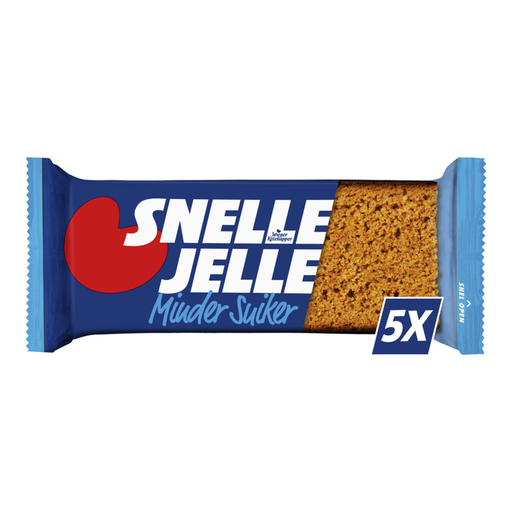
A breakfast cake variety to compare if you want to give your child a slice occasionally and are keeping an eye on sugars and sweeteners. Check the latest nutritional information for values per 100 g and per portion. If your child has allergies, also check for rye, gluten and possible traces of nuts and milk.
 No image available
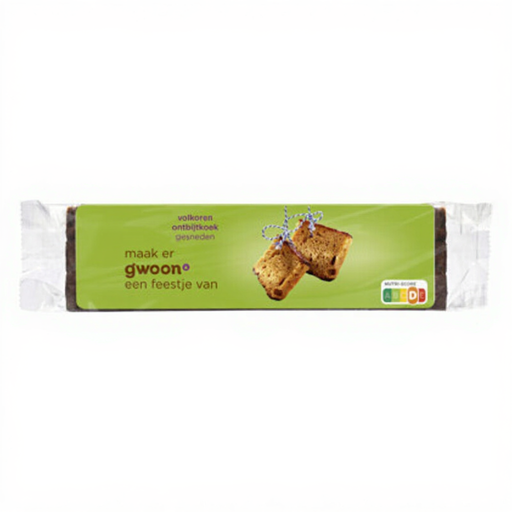
A sliced wholegrain variety to compare with other breakfast cakes, not something to assume is sugar-free because it says wholegrain. Check the packaging for sugars and glucose-fructose syrup, and if your child has allergies, read the current information about rye and gluten.
 No image available
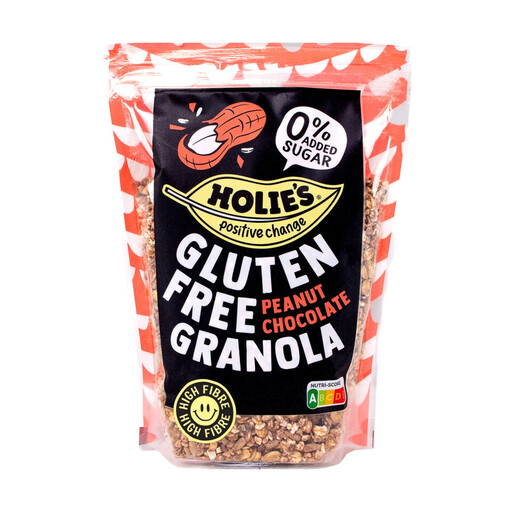
This is granola to consider as a breakfast cereal option, not breakfast cake or a complete ready-to-eat breakfast for a toddler. Check the latest ingredients and allergen information, particularly for peanuts, oats and possible traces of nuts or soya. Don’t assume it’s suitable for a gluten-free diet based on the product name alone.
Don’t make breakfast cake a regular replacement for a suitable breakfast for your toddler. The Netherlands Nutrition Centre recommends bread as a staple, with options such as porridge or wholegrain breakfast cereals without added sugar or salt as alternatives. It also says that breakfast cake contains an average of 11.2 g of sugar per 30 g slice. The amount may differ in a particular product.
You can’t tell from the name. Albert Heijn lists 1% cocoa powder in Peijnenburg Zero Cacao. If you’re considering another variety, check its own label if the amount of cocoa will influence your choice.
No, don’t assume that from the word zero. The zero breakfast cake described by Jumbo contains maltitols and sugars, so compare the ingredients list with the nutritional information per 100 g and per portion.
That depends on the child’s dietary needs and the setting’s arrangements. The Netherlands Food and Consumer Product Safety Authority says allergens must be clearly listed on the label of prepacked foods. Check the current packaging and ask the school or childcare setting what arrangements apply.
No, don’t assume that every breakfast cake contains baker’s salt with iodine. The Netherlands Food and Consumer Product Safety Authority explains the conditions under which iodine compounds may be present in bakery products through baker’s salt. This doesn’t tell you which type of salt was used in a particular breakfast cake, so check the product information.