What should you look for when buying?
First decide whether sourdough is a requirement, or whether portion convenience and nutritional information can guide your choice. Then check the details of the product you’ll actually be serving.
Regular breakfast cake
A good fit when: consistent portions and straightforward lunch service are the priority.
Consider: whether it’s sliced or wrapped tells you nothing about sourdough or the nutritional values of that particular variant.
Variant with a different sugar claim
A good fit when: you want to compare sugar and fibre per portion served.
Consider: check the ingredients and warnings too; a claim such as ‘zero’ doesn’t confirm that sourdough is used.
Sourdough breakfast cake from a bakery
A good fit when: the baker can confirm that sourdough is used in the breakfast cake being offered.
Consider: discuss the portion format, shelf life and allergen information before choosing this option.
For a canteen lunch, one main priority can guide your choice: clear serving information, confirmed use of sourdough, nutritional information or convenient portions.
| What to consider | What to check before buying | Who it matters to |
|---|
| Allergens and serving |
Ask for the latest ingredient and allergen information. If you’re serving it unpackaged, make sure any allergens present are known where the cake is offered, as required by the Netherlands Food and Consumer Product Safety Authority. |
If I serve slices unpackaged, guests need to be able to check which allergens they contain before choosing. For around 31% of consumers, having this information available at the point of service is the top priority. |
| Sourdough provenance |
Ask the baker for the product specification for the exact breakfast cake, including its ingredients and confirmation of the raising agent used. |
An artisan presentation isn’t enough for me to label something ‘sourdough’ on the canteen menu. Around 25% of consumers prioritise confirmed sourdough provenance. |
| Sugar, fibre and sweeteners |
Compare the nutritional information on the basis of the same portion size, and check the label for sweeteners and warnings. |
When I’m weighing up two variants for the same lunch service, I want to know what one portion contains. For around 25% of consumers, this comparison is the top priority. |
| Portion format |
Check the number of pieces or slices, whether the cake is pre-sliced and what storage advice applies. |
During the lunchtime rush, I want to be able to set out portions without having to slice the cake each time. For around 19% of consumers, ease of serving matters most. |
Breakfast cake options for canteen service on Joybuy
Compare these breakfast cakes as packaged or sliced options for a canteen lunch. If you want to offer one as sourdough, first get confirmation that sourdough is used in that specific product.
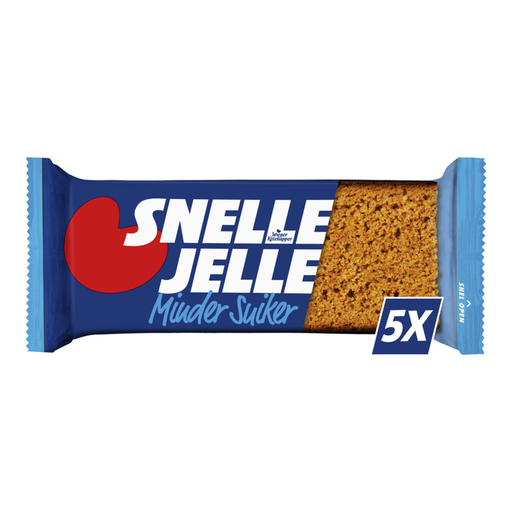 Image unavailable
Snelle Jelle Breakfast Cake Less Sugar-Free 250 g
Compare this variant if you also want to check the sugar content and portion format for your canteen lunch.
The product name states 250 g. Check the packaging for nutritional information per portion served, allergens and any warnings; only describe it as ‘sourdough’ if this has been confirmed for this product.
View on Joybuy
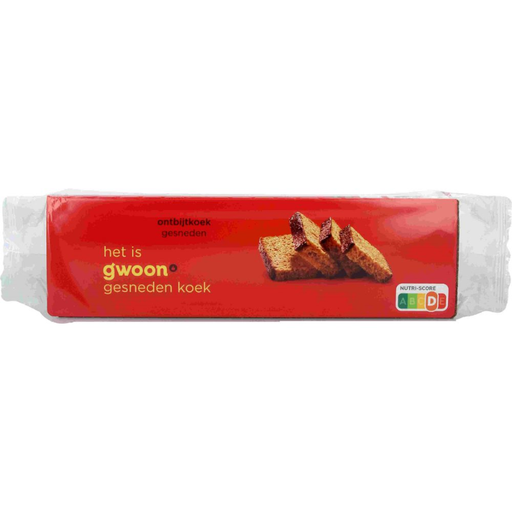 Image unavailable
g'woon sliced breakfast cake 485 g
The sliced format is worth considering if you want to have slices ready for lunch without cutting the cake yourself.
The product name states 485 g. Check the weight of each slice you plan to serve. If serving it unpackaged, keep the latest allergen information available, and confirm the use of sourdough before mentioning it on the menu.
View on Joybuy
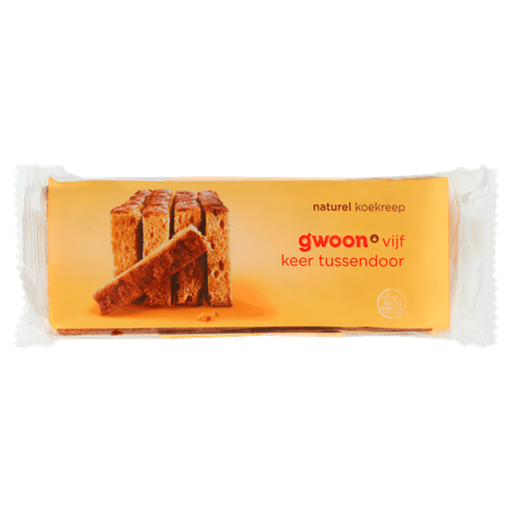 Image unavailable
g'woon breakfast cake, 6 pieces
The pack of six can help you plan how much to serve at lunch.
Check the exact portion format, nutritional information per piece and allergens on the packaging. Only describe this cake as sourdough if the supplier confirms it for this product.
View on Joybuy
Frequently asked questions
Does allergen information need to be available if the canteen serves breakfast cake unpackaged?
Yes. According to the Netherlands Food and Consumer Product Safety Authority, anyone offering unpackaged food must inform customers about allergens present where the product is offered. Make sure the information for your chosen breakfast cake is up to date.
Is an artisan breakfast cake automatically sourdough?
No. An artisan look or a reference to sourdough bread doesn’t confirm which raising agent is used in the breakfast cake. Ask the supplier about the ingredients and production method for the exact finished product before offering it as sourdough.
What should you compare between regular breakfast cake and a no-added-sugar variant?
Compare sugar and fibre per equal-sized portion, as well as the ingredients and any sweeteners. The Netherlands Nutrition Centre lists 11,2 g of sugar and 1,1 g of fibre per 30 g slice of average regular breakfast cake; for breakfast cake with no added sugar, it gives 0,8 g of sugar and 5,1 g of fibre per 30 g. Check the packaging of the breakfast cake you’re buying for its own values.
Does every breakfast cake in the Netherlands contain iodised baker’s salt?
You can’t assume that this is the case for every breakfast cake. The Netherlands Food and Consumer Product Safety Authority sets out conditions for iodine from baker’s salt in bakery products. Check the packaging or the supplier’s product specification to find out which ingredients are in the cake you’ve chosen.
How should you store breakfast cake for canteen service?
Follow the storage advice and use-by information on the packaging for the variant you’ve chosen. Check the instructions for after opening too, before preparing portions in advance.


