
If you’re serving a group or baking at home
You’ll want to know how many portions you can serve, and whether you can use ready-cut slices or would rather make your own cubes and crumbs.


Choose a large, pre-sliced breakfast cake if you want to serve slices straight away to several people. An unsliced cake lets you choose the shape for a baking recipe, while individually wrapped portions are especially handy for handing out. Whatever you choose, check the weight, nutritional information and allergens on the packaging.
You’ll want to know how many portions you can serve, and whether you can use ready-cut slices or would rather make your own cubes and crumbs.
You may want to check sugars, fibre, salt and ingredients before choosing a larger pack. A label such as ‘wholemeal’ doesn’t tell you everything about what’s in it.
Check the variant you’ve chosen before sharing your breakfast cake. Even a gluten-free cake may contain allergens such as milk or lupin.
First, decide which shape you need for serving or baking. Then compare the nutritional information and check the allergens for each variant.
| What to consider | What should you check? | Who is it important for? |
|---|---|---|
| Size and whether it’s sliced | Compare the weight and, for sliced cake, the number of slices. Choose an unsliced cake if you want to cut it into your own shapes. | If I’m serving cake to a group or using it in a recipe, I want to know in advance how I can portion it. For around 42% of consumers, size and whether it’s sliced would be the main consideration. |
| Nutritional information | Check sugars, fibre and salt per 100 g, and compare these with the portion you plan to eat. | When buying a larger pack, I want to compare what’s in my usual portion rather than relying on the front of the pack. For around 33% of consumers, the ingredients and nutritional profile would matter most. |
| Allergens | For the variant you’ve chosen, check both ‘contains’ and ‘may contain’ on the current packaging. | When I’m sharing breakfast cake with others, I need to know first whether everyone can eat the variant I’ve chosen. For around 25% of consumers, checking allergens would come first. |
A large cake may be more suitable for sharing or baking than a pack with a specific sharing label. The shape also determines how much cutting you’ll need to do yourself.
Search by pack weight too, and check whether the breakfast cake is sliced, unsliced or individually wrapped.
A mention of fibre or wholemeal ingredients doesn’t tell you everything about the product. The Consumentenbond warns that fibre claims can give a more favourable impression than the overall nutritional information warrants.
Read the nutritional values per 100 g, and also check the ingredients and the portion you plan to serve.
According to PLUS, the 285 g gluten-free Peijnenburg breakfast cake contains milk and lupin. Other variants may contain different allergens.
Before sharing, check the allergen information for the exact variant you’ve bought.
According to the Voedingscentrum, bakers aren’t required to use baker’s salt. So the fact that a product is breakfast cake doesn’t tell you whether it contains iodine from baker’s salt.
Check the ingredients on the packaging if this information matters to your choice.
This range includes large pre-sliced cakes, individually wrapped portions and an unsliced gluten-free variant.
The 500 g pre-sliced breakfast cake is an option if you want slices ready to serve.
ALDI lists pre-sliced 485 g breakfast cake variants, including a wholemeal option.
The 500 g Bakkersontbijtkoek is a large own-brand cake in Albert Heijn’s range.
These options show different ways to enjoy breakfast cake: cut it yourself for a recipe, serve ready-sliced portions or hand out individually wrapped portions.
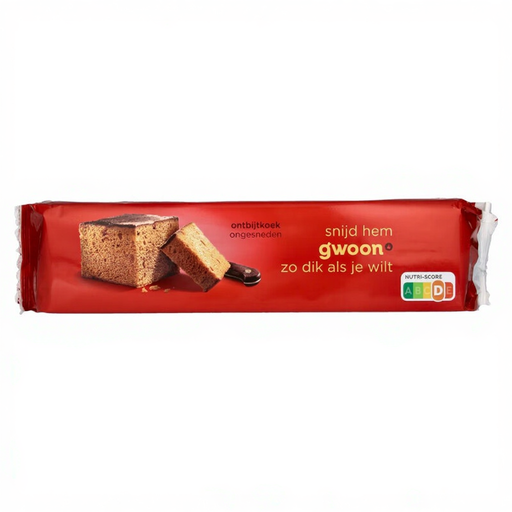 No image available
For recipes where you want to choose the thickness of the slices or the shape of the pieces yourself. Before using, check the current allergen information on the packaging; rye is listed in the product information.
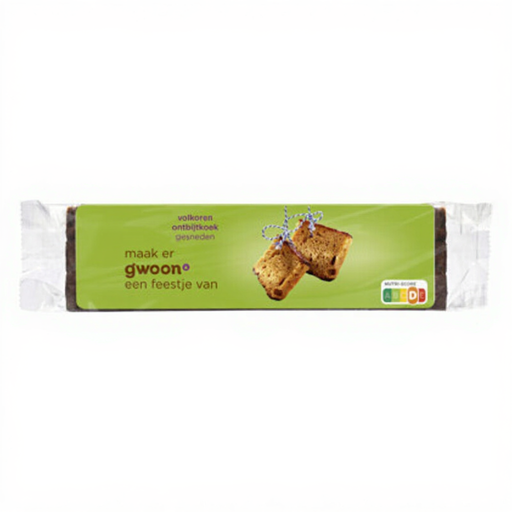 No image available
For anyone who wants to serve slices without cutting the cake themselves. Check the label for the number of slices and the nutritional value per 100 g. Also check the allergen information, as rye is listed.
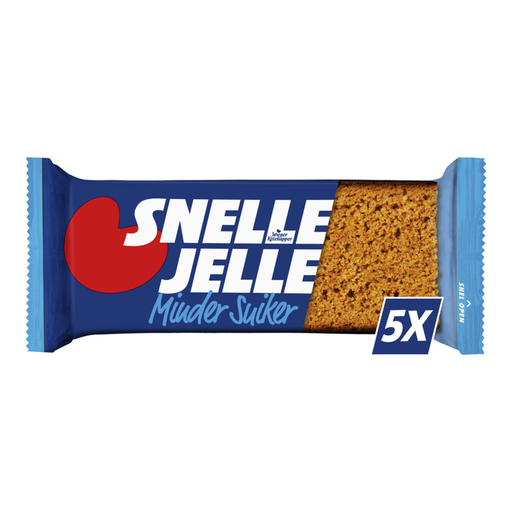 No image available
An option for handing out individual portions of breakfast cake, rather than using one large cake for a baking recipe. Don’t treat the wording in the product name as nutritional information: check the sugars per 100 g on the packaging and check the allergens too.
A larger pre-sliced cake is handy if you want to serve slices straight away; individually wrapped portions are better for handing out separately. Check the weight and the stated number of slices or portions, rather than relying only on the pack name.
Choose sliced breakfast cake if you need slices without any extra cutting. An unsliced cake lets you choose the thickness and shape yourself, for example if you want to use pieces or crumbs.
You can’t tell from the product category. The Voedingscentrum says bakers aren’t required to use baker’s salt, so check the ingredients of the specific cake if this matters to your choice.
No. Gluten-free doesn’t mean free from all other allergens. According to PLUS, the 285 g gluten-free Peijnenburg variant contains milk and lupin; always read the current label on the pack you’ve chosen before serving it.