
People who often have breakfast at home
If breakfast cake is a regular feature at your table, pack size and whether you can finish it after opening are worth considering.


For everyday use, choose a pack you can finish and compare the nutritional information per 100 g if fibre or sugars matter to you. Wholemeal breakfast cake isn’t automatically low in sugars: PLUS Wholemeal lists 34.1 g of sugars per 100 g. Alongside savoury breakfast foods, breakfast cake can be a sweet, spiced addition. However, the Netherlands Nutrition Centre also suggests other breakfast combinations, such as wholemeal bread with toppings.
If breakfast cake is a regular feature at your table, pack size and whether you can finish it after opening are worth considering.
You’d rather check the nutritional values per 100 g and the ingredients than rely solely on words such as ‘wholemeal’ on the front of the pack.
You want to serve breakfast cake as a sweet, spiced addition and choose separately which savoury foods will make up the rest of your breakfast.
First, decide how much breakfast cake you use, then compare the nutritional values and ingredients of the varieties that suit your needs. If you have an allergy, the current allergen information on the packaging takes priority over other selection criteria.
| What to consider | What to check | Who is this relevant to? |
|---|---|---|
| Pack size | Compare the contents and choose a pack you can finish after opening; follow the storage instructions. | If I often have a slice at home, I don’t want to be left with an opened cake each time. For around 36% of consumers, finishing the pack is the top priority. |
| Fibre and sugars | Check both values per 100 g and look at the ingredients separately from the ‘wholemeal’ claim. | If I eat it regularly, I want to know how the fibre and sugar levels differ between varieties, rather than infer this from the product name. Around 29% of consumers prioritise this nutritional information. |
| Slicing and portability | Check whether the cake is pre-sliced or comes in individually wrapped portions. | For a quick breakfast, I want to be able to grab a slice straight away; when I’m out and about, I’d rather have a portion that’s easy to take with me. Around 21% of consumers prioritise this convenience. |
| Allergens and labelling | Check the current ingredients list and warnings for ingredients including cereals containing gluten, milk and nuts. | If I need to avoid certain ingredients, I need to be able to check whether this particular variety is suitable; a different pack may make all the difference. Around 14% of consumers prioritise checking the label. |
According to PLUS, its Wholemeal variety contains 41% wholemeal rye flour and 5.7 g of fibre per 100 g, but also 34.1 g of sugars per 100 g. The wholemeal content and sugar level therefore answer two different questions.
Compare fibre and sugars per 100 g, and check the ingredients even when choosing a variety with no added sugars. Peijnenburg lists xylitol among the ingredients in its Wholemeal No Added Sugar variety.
Ingredients and allergen information can change. Albert Heijn itself points out that the information shown for a product may differ from the current packaging.
Check the label on the breakfast cake you receive before eating it, especially if you need to avoid certain ingredients.
The Netherlands Food and Consumer Product Safety Authority explains the conditions under which iodine compounds may be present in bakery products through baker’s salt. This does not tell you whether a specific breakfast cake contains baker’s salt.
If you have a question about a particular product, check the ingredients and contact the manufacturer for product-specific information if necessary.
Within a single brand, plain, wholemeal and portion-packed varieties can differ considerably. So compare the specific variety on the label, not just the brand name.
Peijnenburg offers plain and wholemeal varieties, among others, as well as a variety with no added sugars. These claims are no substitute for checking the nutritional information on the pack you choose.
The own-brand range includes a 600 g pack of breakfast cake for anyone looking for a larger pack.
The ALDI products mentioned include an unsliced plain breakfast cake from GOUD GEBAKKEN and a sliced wholemeal breakfast cake from KOEK & BAKKER.
In this product range, PLUS offers a sliced wholemeal variety and a plain Korenlanders variety.
Jumbo stocks Peijnenburg plain breakfast cake in different formats, including a 550 g sliced cake and individually wrapped portions.
Tastino is a breakfast cake range at Lidl. When choosing, check the variety and pack size.
These products include sliced breakfast cake, a multi-pack and a variety for anyone who wants to take breakfast cake with them. First choose the format that suits you, then check the nutritional information and ingredients for each product.
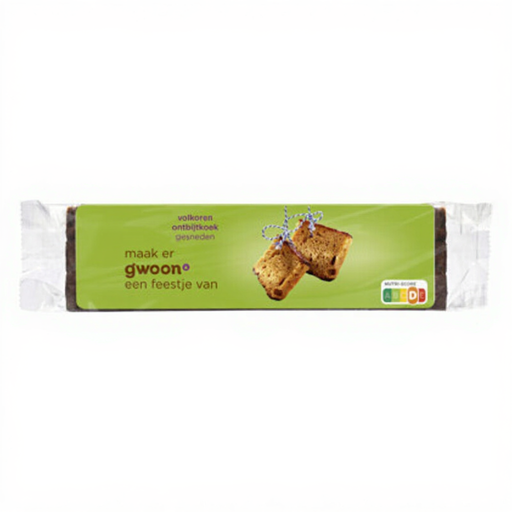 Image unavailable
A sliced option for anyone who likes to serve wholemeal breakfast cake at breakfast. The pack contains 485 g; Joybuy lists 43% wholemeal rye flour for this variety. To compare sugars and fibre, check the values per 100 g on the pack. If you avoid gluten, read the ingredients list.
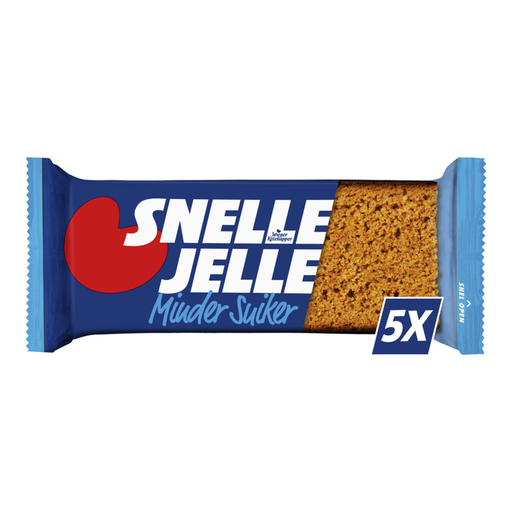 Image unavailable
An option to consider if you want breakfast cake to take with you. The product title states 250 g, but the sugar claims are unclear: don’t assume this variety is sugar-free without checking the label. Also check the ingredients and allergen warnings if you need to avoid rye, gluten, milk or nuts.
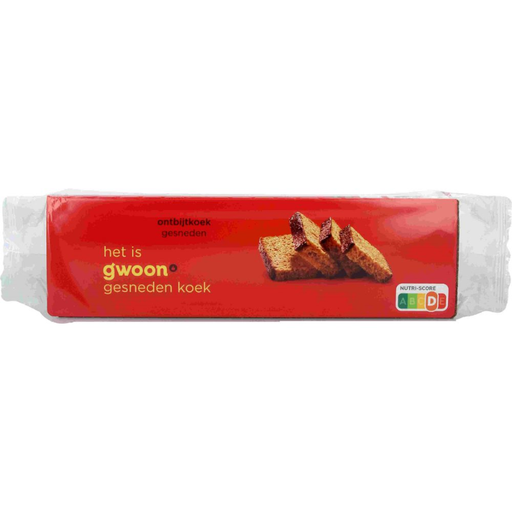 Image unavailable
The pre-sliced format suits anyone who wants to grab a slice straight away at home. The pack contains 485 g. If sugars and fibre affect your choice, compare the current values per 100 g, and check the ingredients list if you avoid cereals containing gluten.
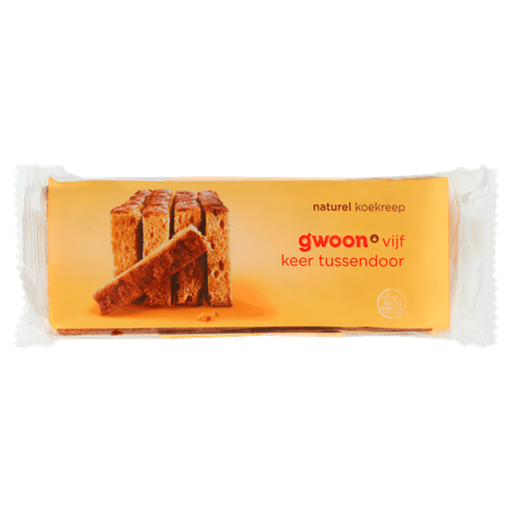 Image unavailable
A pack of six for anyone who wants to enjoy breakfast cake on more than one occasion. Check the net weight to compare it with other packs; ‘6 pieces’ doesn’t tell you whether each piece is individually wrapped. If you have allergies, read the current label.
Breakfast cake isn’t automatically a replacement for other breakfast foods. The Netherlands Nutrition Centre suggests options such as wholemeal bread with toppings; if you like, enjoy breakfast cake as a separate, sweet, spiced addition.
No. ‘Wholemeal’ doesn’t describe the amount of sugars. PLUS lists 5.7 g of fibre and 34.1 g of sugars per 100 g for its wholemeal breakfast cake; compare both values on the label of the variety you’re considering.
Read the ingredients list and allergen warnings on the current packaging of the specific breakfast cake. Varieties may contain rye or other cereals containing gluten; Peijnenburg also lists possible traces of milk and nuts in its Wholemeal No Added Sugar variety.
Individually wrapped portions are useful when you want to take breakfast cake with you or portion it out in advance. A sliced cake may be enough for eating at home; if you buy a pack with several pieces, check whether they’re actually individually wrapped.
Follow the storage instructions on the packaging. For Peijnenburg breakfast cake, Jumbo recommends keeping it in a cool, dry place, away from light, and preferably in a sealed tin or container.