
Commuter with a lunchbox
Wants to take a slice along without having to cut it on the go, so looks for a suitable portion size and individual wrapping. Peijnenburg, for example, describes a pack containing individually wrapped slices.


Don’t let the word sourdough determine which breakfast cake you take with you: check that the product is explicitly described as sourdough or made with a fermented dough. Individually wrapped slices are handy if you don’t want to cut your own. If you have specific requirements around sugar, fibre or gluten, the nutrition information, ingredients and allergen labelling matter more than an artisan look. According to the Netherlands Nutrition Centre, breakfast cake is often high in sugar and low in fibre, so don’t automatically treat a slice as a complete lunch.
Wants to take a slice along without having to cut it on the go, so looks for a suitable portion size and individual wrapping. Peijnenburg, for example, describes a pack containing individually wrapped slices.
Compares ingredients, sugar and fibre in each product, rather than relying on a wholemeal claim or artisan look alone.
Needs a clear gluten-free label or reliable allergen information. Rye and the term sourdough are no substitute for checking.
First decide what matters most to you: taking it with you without any preparation, the nutrition information, an explicit sourdough claim or allergen checks. Then compare the packaging of the specific breakfast cake you want to buy.
| What to consider | What to check when buying | Who it matters to |
|---|---|---|
| Portions to take with you | Check whether the slices are individually wrapped and how many grams are in a portion. | If I only want to take one slice, I don’t want to have to cut it or wrap it again first. An estimated 40% of consumers put convenience on the go first. |
| Sugar and fibre | Compare sugar and fibre per 100 g and per portion; check exactly what any packaging claim means. | If you pay attention to the ingredients, you want to know what’s in the portion you’ve chosen, rather than relying on the front of the pack alone. Around 30% of consumers give this nutrition information top priority. |
| Sourdough | Look for an explicit sourdough or fermented-dough claim in the ingredients or product specifications. | If I specifically want sourdough, I want to be able to confirm that the breakfast cake actually contains it. For an estimated 20% of consumers, this is their main question when buying. |
| Gluten and allergens | Check for a gluten-free claim, if relevant, and read the current ingredients and allergen information. | If I need to check for gluten or other allergens, I can’t rely on the product name. For around 10% of consumers, this check comes first when making this choice. |
Rye, spices and a traditional baking process don’t confirm that a breakfast cake contains sourdough. The Dutch Commodities Act Decree on Flour and Bread defines sourdough as a fermented mixture made from grain, water and naturally occurring microorganisms.
Before choosing a product specifically for its sourdough, look for an explicit claim on the packaging or in the product specifications.
An individually wrapped slice is easy to take with you, but the packaging doesn’t change the ingredients in the breakfast cake.
As well as convenience on the go, compare the nutrition information per 100 g and per portion.
These claims don’t mean the same thing. Peijnenburg lists the sweetener xylitol among the ingredients of one of its no-added-sugar varieties.
Read the full ingredients list and compare the sugar and fibre information for the varieties you’re considering.
The term sourdough tells you nothing about whether a product is labelled gluten-free. PLUS lists rye flour and information about gluten-containing cereals for its plain breakfast cake.
If you need to avoid gluten, only choose a product with an explicit gluten-free claim, and check the current packaging.
Offers several breakfast cake varieties, including portion packs and a no-added-sugar option.
Offers several types of breakfast cake, including a separate gluten-free variety.
Offers its own-brand breakfast cake in both sliced and unsliced varieties.
ALDI offers, among other products under this own brand, pre-sliced zero and wholemeal breakfast cakes.
Lidl lists a 485 g sliced wholemeal breakfast cake.
Offers Peijnenburg breakfast cake, among other products, in packs of individual portions.
These breakfast cakes are options if you’re looking for something to take with you: a Snelle Jelle variety to compare for its packaging and sugar content, and a sliced wholemeal variety. Check separately whether a product contains sourdough if that’s the deciding factor for you.
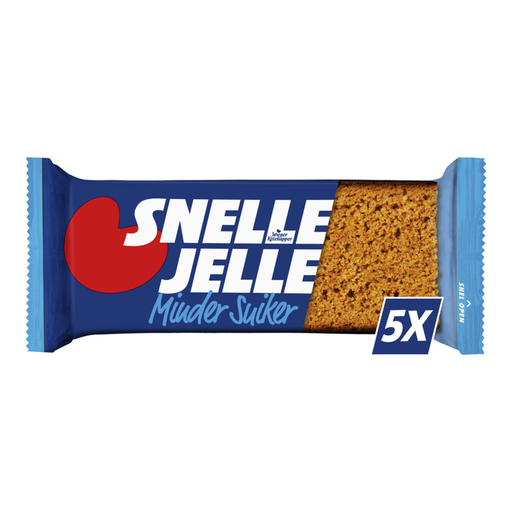 Image unavailable
For anyone who wants to take breakfast cake with them and compare the sugar content of different varieties. The pack contains 250 g; check the nutrition information, as the variety name doesn’t mean the product is sugar-free.
Before use, check the current allergen information, including any mentions of rye, gluten and possible traces of nuts or milk. If you’re specifically looking for sourdough, don’t choose this variety unless the product explicitly says it contains it.
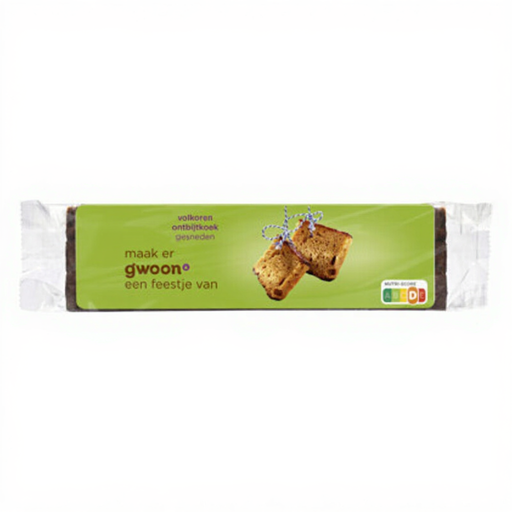 Image unavailable
For anyone looking to take sliced wholemeal breakfast cake with them. The pack contains 485 g; check whether the slices are individually wrapped if you want to put them in your bag without extra packaging.
The product information about rye and allergens is contradictory. If you have a relevant allergy, follow the information on the current packaging and ask the manufacturer for clarification before using the product.
No. Sourdough isn’t a gluten-free claim. If you need to avoid gluten, choose a product explicitly labelled gluten-free and check the current packaging. Jumbo uses this kind of label for its Lekker Vrij van Gluten breakfast cake, while PLUS lists rye flour in one of its standard plain varieties.
Don’t assume that it can. According to the Netherlands Nutrition Centre, breakfast cake is often high in sugar and low in fibre. Check the nutrition information for your portion and consider the slice as part of a lunch or as a snack instead.
No. The name sourdough doesn’t confirm what type of salt was used in a breakfast cake. The Dutch National Institute for Public Health and the Environment (RIVM) describes bread as an important source of iodine, but also notes that not all bread is made with iodised salt. Check the packaging or ask the manufacturer about a specific breakfast cake.
Follow the storage instructions on the packaging you’ve chosen. Individually wrapped slices are handy if you want to take one portion with you. For sliced breakfast cake without individual wrapping, check how to store the remaining slices.