
People putting together lunch spreads for different preferences
You want colleagues to be able to choose between a familiar plain slice and a wholemeal version, rather than offering just one type for everyone.


For an office lunch spread, put sliced plain breakfast cake alongside a sliced wholemeal version so colleagues can choose between them. If you’d also like to offer a version labelled ‘no added sugars’, check the sweeteners and allergens on the label first; wholemeal on its own doesn’t mean a breakfast cake is low in sugars.
You want colleagues to be able to choose between a familiar plain slice and a wholemeal version, rather than offering just one type for everyone.
You’re looking for a breakfast cake made with wholemeal rye flour and comparing the fibre, sugars and slice size on the label.
You’re considering a version labelled ‘no added sugars’, but also want to know which sweeteners and allergens are listed on the packaging.
Start with a familiar choice between plain and wholemeal. Then compare the nutritional information and decide which pack is best suited to serving at the office.
| What to consider | What to check before buying | Who is this important for? |
|---|---|---|
| Choosing between plain and wholemeal | Check the names and ingredients of both versions; put them out with their labels kept separate. | If I’m buying for colleagues with different preferences, I don’t want one flavour to be the only option. For around 33% of consumers, this is the top priority. |
| Wholemeal and fibre | Compare the proportion of wholemeal flour and the fibre per 100 g; also check the size of a slice. | I want to be able to pick a recognisable wholemeal option and know how much fibre a portion contains. Around 27% of consumers give this the highest priority. |
| Added sugars | Read the nutritional information for sugars and, for an alternative, check the sweeteners and warnings. | A claim about added sugars is only useful to me if I can also assess the rest of the label. This is the main consideration for around 20% of consumers. |
| Serving and portions | Check whether the cake is sliced or individually wrapped, and how many slices the pack contains. | When colleagues are helping themselves, I want to be able to serve portions without cutting anything up. Around 20% of consumers put this convenience first. |
The wholemeal label doesn’t tell you how much sugar a slice contains. The Voedingscentrum lists 11.1 g of sugars per 30 g slice of wholemeal breakfast cake; Peijnenburg lists 39 g per 100 g for its sliced wholemeal version.
Compare sugars per 100 g and per actual slice before weighing up different versions.
For the versions with sweeteners reviewed here, the ingredients and warnings matter too. Jumbo’s zero version warns that excessive consumption may have a laxative effect; Peijnenburg’s no-added-sugars version may contain nuts and milk.
Check the label on the exact version before including it in a shared lunch spread.
Breakfast cake made with rye isn’t gluten-free. Some of the versions reviewed also carry warnings about other ingredients the product may contain.
Keep the original packaging or information from the current label with the breakfast cake.
For one plain version reviewed, Jumbo states that it is no longer available in its online range.
Before putting the lunch spread together, check that your chosen version is available and that its packaging and ingredients are still the same.
Peijnenburg offers sliced wholemeal breakfast cake, a wholemeal version labelled ‘no added sugars’ and individually wrapped plain slices.
The own-label range includes listings for sliced plain, wholemeal and zero breakfast cake.
Jumbo’s product information features both regular sliced breakfast cake and a zero version.
PLUS lists a 485 g pack of sliced wholemeal breakfast cake.
ALDI lists sliced wholemeal breakfast cake from Koek & Bakker, as well as a separate zero version.
These products suit two practical choices for the office: sliced wholemeal breakfast cake and a breakfast cake that can be served in portions. If you’d like to offer both plain and wholemeal, choose a suitable plain version separately too.
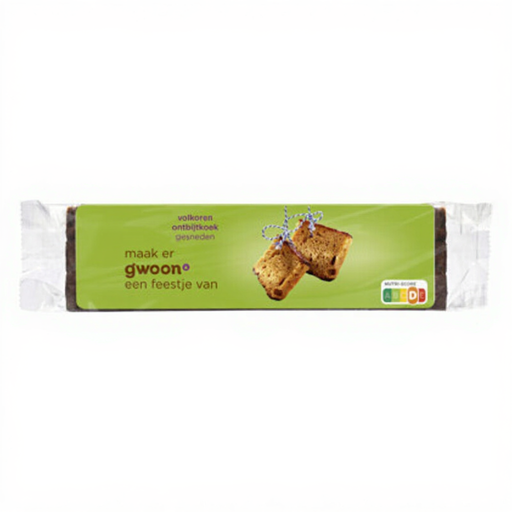 No image available
A sliced wholemeal option to offer alongside plain breakfast cake. Before serving it to a group, check the current label for rye and allergens, and look at the nutritional information if sugars or fibre are important to your choice.
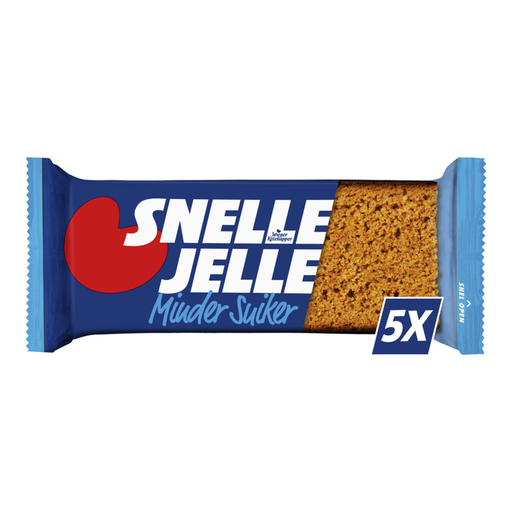 No image available
An option if you want to serve breakfast cake in individual portions. Don’t treat the wording in the product name as a nutritional comparison: check the packaging for sugars per 100 g and per portion, as well as the ingredients and allergens.
No, the ‘wholemeal’ label doesn’t mean it’s a mix of the two. The plain versions reviewed use rye flour, while the wholemeal versions reviewed list wholemeal rye flour. For a lunch spread with both options, put out two clearly labelled versions.
No, the wholemeal label doesn’t tell you that. The Voedingscentrum lists 11.1 g of sugars per 30 g slice of wholemeal breakfast cake. For the products you’re considering, compare sugars per 100 g and per slice.
Keep the information from the exact packaging by the breakfast cake when serving it, so colleagues can check the ingredients and allergens. Rye is a gluten-containing grain; some of the versions reviewed also state that the product may contain other ingredients, including milk or nuts.
Follow the storage instructions on the packaging of the version you’ve chosen. For the wholemeal version reviewed, Peijnenburg recommends storing it in a cool, dry, dark place and preferably in a sealed container or tin. Keep the allergen information available when serving slices too.