
Lunch snacker who compares labels
You want to compare the sugars, fibre, sweeteners and portion sizes in different breakfast cakes before choosing one for lunch.


Choose breakfast cake for your lunch based on what matters most to you: a distinctive flavour, organic ingredients or a portion you can take with you without slicing. For varieties with no added sugars, compare the nutritional information per portion and check the ingredients and allergens; being organic or wholemeal doesn’t, in itself, tell you how much sugar it contains.
You want to compare the sugars, fibre, sweeteners and portion sizes in different breakfast cakes before choosing one for lunch.
You’re looking for a breakfast cake with something like ginger to enjoy with your sandwich or coffee, or you’re drawn to a particular variety because it contains organic ingredients.
You want to take a pre-sliced piece or individually wrapped bar with you, without having to slice a whole cake first.
First decide what matters most for your lunch: flavour and provenance, nutritional information or a portion that’s easy to take with you. Then compare the details of the exact variety on the packaging.
| What to consider | What to check | Who is this important to? |
|---|---|---|
| Sugars and fibre | Compare sugars and fibre per 100 g and per portion. For varieties with no added sugars, also check which sweeteners have been used. | When I have breakfast cake with lunch, I want to know what’s in my slice or bar, rather than relying on the front of the packaging. Around 40% of consumers put this nutritional information first. |
| Flavour and provenance | Look for specific ingredients, such as pieces of ginger, and check the sugars and allergens in organic varieties too. | For a special lunch, I’d rather choose a flavour or ingredient provenance that appeals to me than a standard plain variety. Around 30% of consumers put this preference first. |
| Portion convenience | Check whether the cake is unsliced, pre-sliced or individually wrapped, and how many portions the pack contains. | When I’m having lunch away from home, I want to take breakfast cake with me without having to slice it there and then. For around 30% of consumers, convenience is their first consideration. |
A distinctive flavour or organic provenance doesn’t tell you how much sugar a breakfast cake contains. PLUS lists 40,1 g of sugars per 100 g for GIJS Organic Plain Breakfast Cake.
Compare the nutritional information for the exact variety, ideally per portion as well.
A variety like this may contain sweeteners. Jumbo notes that excessive consumption of its breakfast cake with maltitols may have a laxative effect.
Read the ingredients and warnings on the packaging, and don’t decide on your portion based only on the claim on the front.
Peijnenburg lists, among other ingredients, lupin protein concentrate and whey protein concentrate from milk in its gluten-free plain variety.
Check the full ingredients list and any may-contain warnings on the exact product packaging.
The product page for AH puur&eerlijk organic breakfast cake says that this particular variety is no longer in the range. An offer on Tastino breakfast cake at Lidl was available for a limited time.
Check the current range before going to the shop for a particular variety.
The range includes classic breakfast cake, individually wrapped bars and a gluten-free variety.
AH puur&eerlijk organic breakfast cake is an example of a variety that focuses on organic ingredients.
Jumbo’s breakfast cake range includes sliced, wholemeal and lower-sugar varieties.
Koek & Bakker at ALDI includes pre-sliced breakfast cake and an unsliced ginger variety.
Lidl lists Tastino breakfast cake as well as a separate product called breakfast cake zero.
PLUS lists GIJS organic breakfast cake in plain and ginger varieties.
These Joybuy products are handy if you want a slice or bar of breakfast cake that you can portion without slicing a whole cake. Choose the format to suit your lunch plans, and compare the nutritional information on the exact packaging.
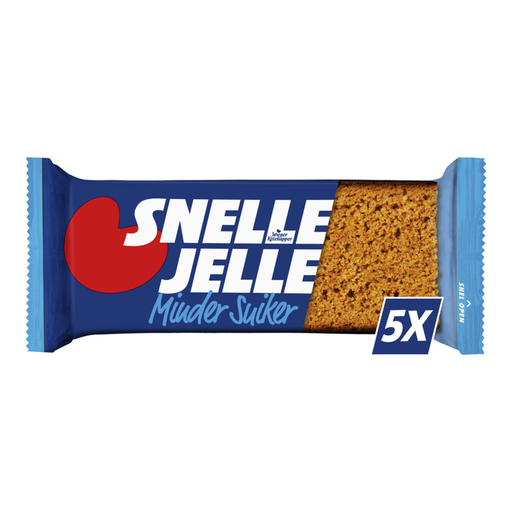 Image unavailable
A breakfast cake to consider if you’d rather take a bar with you for lunch than slice a whole cake.
The product name lists a pack size of 250 g. Check the nutritional information to see how much sugar there is per portion: the words Less Sugar-Free in the name don’t, by themselves, prove that the cake is sugar-free.
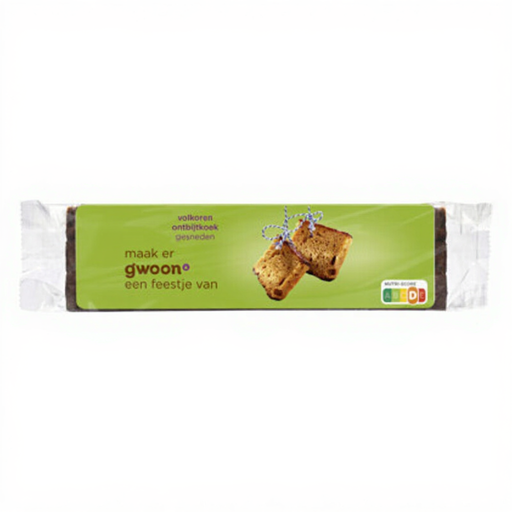 Image unavailable
The sliced format is ideal if you want to grab a piece for lunch without having to cut the cake first.
The pack contains 485 g. The ingredients list wholemeal rye flour; compare the sugars per portion separately from the wholemeal claim. For allergen information, check the current packaging, particularly for the mention of rye.
It depends on what you want to add to your lunch: perhaps a distinctive ginger flavour, organic ingredients or a portion that’s easy to take with you. Then check the ingredients, format and nutritional information for the variety you choose.
No. ‘No added sugars’ doesn’t automatically mean sugar-free. Compare the amount of sugars per portion on the packaging and check which sweeteners have been used. For the variety with maltitols that was reviewed, Jumbo warns that excessive consumption may have a laxative effect.
Read the ingredients list and any warnings on the exact packaging. The Netherlands Food and Consumer Product Safety Authority explains allergen labelling. Even with gluten-free breakfast cake, check for other listed ingredients, such as lupin or milk in Peijnenburg’s gluten-free plain variety.
Follow the storage instructions on the packaging of the breakfast cake you choose. In particular, check how to reseal the pack after opening so you can store any remaining portions as directed.