Choose a breakfast cake with ginger or pearl sugar if you’re serving it as a noticeable sweet accent. If you’re crumbling it into a stew or sauce, a plain version is a more natural fit. Also compare the sugar, fibre and serving size, as well as the allergen information, on each pack. A label such as ‘luxury’ or ‘wholemeal’ doesn’t, by itself, tell you what the nutritional values or ingredients are.
Which breakfast cake is right for you?
Home cooks adding breakfast cake to a stew
If you want to crumble the cake into a dish without adding a pronounced topping flavour, start with a plain version and add it to taste. In a Lidl stew recipe, the breakfast cake goes into the pan towards the end of cooking.
Hosts serving a sweet accent
For slices served on a sharing platter, choose a flavour and texture you like, such as pearl sugar. Consider whether the extra sweetness will work with the other snacks, and check the allergen information for your guests.
Shoppers comparing labels
If sugar, fibre or allergens are key to your choice, compare the nutritional information per 100 g and per serving. Also read the current ingredients list and any ‘may contain’ statement; products in the same category can differ.
What should you look for when choosing?
First decide whether the breakfast cake will be a visible part of the meal or mixed into a dish. Then choose the serving format you want and check the pack for nutritional information and allergens.
| What to consider |
What to check when buying |
Who it matters to |
| Flavour in the dish |
Choose between plain and a version with, for example, ginger or pearl sugar; pick a format to suit serving or crumbling. |
If I’m adding the cake to a stew, I want to keep control of the dish’s flavour; when serving slices, I’m happy for the cake to stand out more. This flavour role is the top priority for around 33% of consumers. |
| Sugar and fibre |
Compare sugar and fibre per 100 g and per serving; for versions with no added sugar, also check which sweeteners they contain. |
If you’re choosing breakfast cake based on its ingredients, you’ll want to know what a typical serving contains rather than relying on the word ‘wholemeal’. Nutritional value is the top priority for around 25% of consumers. |
| Allergens |
Read the ingredients and allergen information on the current pack, including any ‘may contain’ statement. |
If I need to avoid rye or another allergen, the label determines whether a particular version is suitable. This is the most important factor when choosing for around 25% of consumers. |
| Format and portions |
Check the net weight and whether the cake is sliced, unsliced or individually wrapped. |
For a sharing platter, I want to be able to cut my own slices; for individual servings, pre-sliced cake may be more practical. Portion format is the deciding factor for around 17% of consumers. |
Common buying mistakes
-
Assuming ‘luxury’ means better nutritional value
Ginger and pearl sugar tell you something about flavour or texture, not how much sugar or fibre a breakfast cake contains. A more distinctive version isn’t necessarily the flavour you want in a savoury stew, either.
First decide what role the cake will play in your dish, then compare the nutritional information for the specific product.
-
Confusing ‘no added sugar’ with sugar-free
The Peijnenburg version with no added sugar listed by Jumbo contains 4.9 g of sugars and 23 g of polyols per 100 g. The product information warns that excessive consumption may have a laxative effect.
Check the values per 100 g and per serving, and see which sweeteners the product contains.
-
Skipping the allergen information
Some of the plain versions described by Jumbo and PLUS contain rye. PLUS also states that its unsliced plain version may contain wheat, barley and oats.
If you have an allergy, check the ingredients and any ‘may contain’ statement on the current pack, even if the product is labelled ‘wholemeal’ or ‘zero’.
Brands and own-label options to consider
Peijnenburg
Jumbo lists Peijnenburg versions including plain, wholemeal, ginger and pearl sugar.
- A range of flavours and pack formats lets you choose a product to suit how you plan to use it.
- The plain version listed by Jumbo contains rye and 38 g of sugars per 100 g; check the specific product you choose.
Albert Heijn
The own-label range includes a 485 g sliced wholemeal breakfast cake.
- Albert Heijn states that this version contains 41% wholemeal rye flour and 5.7 g of fibre per 100 g.
- According to Albert Heijn, the same product contains 34 g of sugars per 100 g and includes rye.
Jumbo
Here, Jumbo is a retailer selling Peijnenburg breakfast cake, not the manufacturer of these products.
- The range shown includes different flavours and pack formats to compare.
- Check the ingredients on the product page and packaging for the specific version.
Lidl
Lidl lists Tastino breakfast cake and shows how to use it as an ingredient in one of its own stew recipes.
- The recipe offers a practical example if you want to add breakfast cake to a stew.
- Choose a Tastino product based on the current packaging, not just the recipe.
ALDI / Koek & Bakker
ALDI lists Koek & Bakker products including sliced wholemeal breakfast cake and unsliced breakfast cake with pearl sugar.
- These formats let you choose between pre-sliced portions and slices you cut yourself.
- Check the ingredients, packaging and availability at your store for each product.
PLUS
PLUS describes a 550 g unsliced plain breakfast cake.
- The unsliced format lets you decide whether to cut it into slices or crumble it.
- PLUS states that this version contains rye and may contain wheat, barley and oats.
Breakfast cake options on Joybuy
These breakfast cakes offer a choice of wholemeal, plain and individually portioned options. Check the packaging to find the flavour, nutritional values and serving format that suit your fakeaway meal.
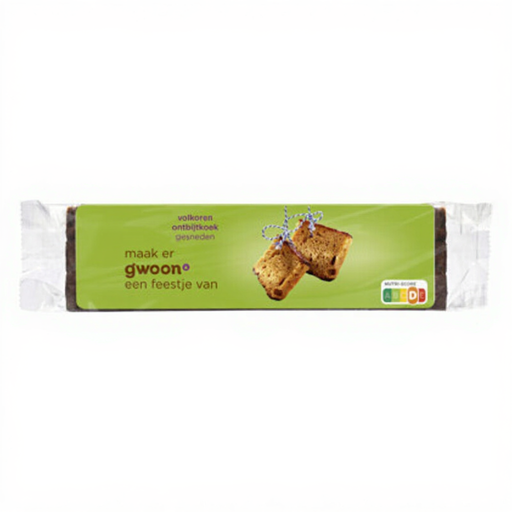 Image unavailable
g'woon sliced wholemeal breakfast cake, 485 g
An option if you’re looking for pre-sliced portions and a wholemeal version. Compare the sugar and fibre on the current packaging; if you have an allergy, check the ingredients and allergen information too.
View on Joybuy
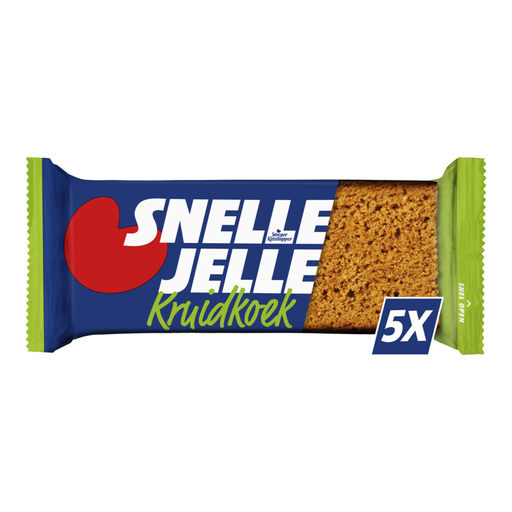 Image unavailable
Snelle Jelle Gingerbread Natural, 325 g
A plain version to consider if you want to serve breakfast cake in individual portions. Before serving, check the flavour, nutritional information and allergens on the packaging, especially if you’re adding it to a savoury dish.
View on Joybuy
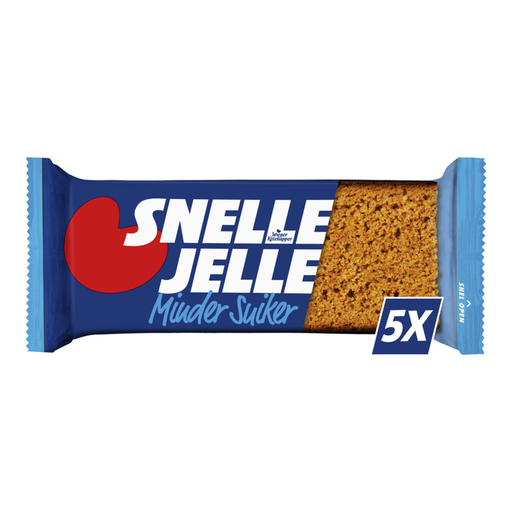 Image unavailable
Snelle Jelle Breakfast Cake Less Sugar-Free, 250 g
An option if individual portions would be handy for your meal. Consider the wording on the packaging alongside the current sugar and fibre values per 100 g and per serving, and check the allergens too.
View on Joybuy
Frequently asked questions
Which breakfast cake should I use in a stew?
A plain version is a sensible choice if you want the other flavours in the stew to take centre stage. Add the crumbled cake gradually. In a Lidl recipe, two slices go into the pan after 35 minutes of stewing, and the dish then cooks for a further 15 minutes.
Is wholemeal breakfast cake automatically low in sugar?
No. According to the product information, Albert Heijn’s sliced wholemeal version contains 5.7 g of fibre and 34 g of sugars per 100 g. Compare both values on the packaging of the version you want to buy.
Is breakfast cake with no added sugar sugar-free?
No, these terms don’t mean the same thing. Jumbo lists a Peijnenburg version with no added sugar as containing 4.9 g of sugars and 23 g of polyols per 100 g, with a warning against excessive consumption.
How do I check the allergens in breakfast cake?
Read the current ingredients list and any ‘may contain’ statement on the specific pack. The Netherlands Food and Consumer Product Safety Authority explains how allergens must be listed on the labels of pre-packed foods; some plain versions, for example, contain rye.


