If you regularly take breakfast cake with you before exercising, a whole loaf is a good choice if you want to portion it yourself; individually wrapped portions are more practical when you’re heading out without time to slice any. The Netherlands Nutrition Centre recommends having a meal around 2 to 3 hours before exercising. If you want something shortly before you leave, choose a small portion you’re familiar with, and check the ingredients and nutritional information for the variety you take with you.
Who is this choice relevant to?
Someone with a regular training routine
You take breakfast cake with you several times a week before work, school or training, and can slice it at home. In that case, the type of packaging matters more than the convenience of an individually wrapped portion.
Someone who needs to head out quickly
You want to take a portion you’ve already chosen, without having to eat a large amount just before exercising. Sliced cake or individually wrapped portions make that easier.
A shopper comparing labels
You check the ingredients, sugars, fibre and allergens for the exact variety, rather than relying only on a claim on the front of the pack.
What should you look for in breakfast cake before exercise?
First, decide when you want to eat and how much you want to take with you. Then compare the packaging and labels of varieties that suit your routine.
| What to consider |
What should you check? |
Who is this most important for? |
| Packaging for regular use |
Check the pack size and whether the cake is sliced. Think about whether you want to portion it yourself at home. |
If I often take a slice with me and can cut it at home, I want packaging that suits that routine. Around 42% of consumers prioritise this convenience for regular use. |
| Time until your training session |
Consider when you’ll be eating, and choose a small portion you’re familiar with if you’re eating shortly before you leave. |
When my training session is about to start, I don’t want to eat a large portion first. That’s why timing is the most important consideration for around 17% of consumers. |
| Ingredients and nutritional information |
Read the ingredients, allergen information and nutritional values for the exact variety, including any warnings. |
If I’m comparing varieties with different claims, I want to know what’s actually in them. Around 16% of consumers give checking the label their highest priority. |
| Portioning and taking it with you |
Check whether the cake is pre-sliced or comes in individually wrapped portions. |
When I’m on the go, I want to be able to grab a set portion without slicing it myself. Around 25% of consumers prioritise this convenience when taking it with them. |
Common mistakes
-
Having a large portion just before exercising
Eating a slice of breakfast cake just before you leave isn’t the same as planning a meal. The Netherlands Nutrition Centre recommends having a meal around 2 to 3 hours before exercising.
If you’re eating shortly before a training session, it’s better to choose a small portion you’re already familiar with. See what feels right for you on a regular training day.
-
Relying only on a claim about sugars
A claim on the front of the pack doesn’t tell you everything about the ingredients or nutritional value. For example, the product information for Peijnenburg Wholemeal with no added sugars lists 24 g of polyols per 100 g and warns that excessive consumption may have a laxative effect.
Also read the ingredients list, nutritional information and warnings on the packaging of the variety you choose.
Brands to compare
Peijnenburg
Peijnenburg offers, among other things, sliced breakfast cake and individually wrapped portions. This lets you choose a format to suit portioning at home or eating on the go.
- Jumbo lists both a 550 g sliced loaf and a pack of 10 individually wrapped 28 g portions for the Original variety.
- The product information for the wholemeal variety with no added sugars lists polyols and includes a warning about excessive consumption. Check this information when choosing this particular variety.
Goud Gebakken
An ALDI range with an Original breakfast cake for anyone who wants to slice it at home.
- ALDI lists an unsliced 550 g Original breakfast cake.
- Check the packaging if ingredients, allergens or nutritional values are important to your choice.
Koek & Bakker
This ALDI range includes a sliced wholemeal variety and a sliced Zero variety. The format means you can set aside slices in advance.
- ALDI lists a 485 g pack for both of these varieties.
- Don’t rely only on the claim on the front of the Zero variety; read the ingredients and nutritional information too.
PLUS Korenlanders
The Original breakfast cake from this PLUS range is an option if you want to compare varieties using their nutritional information.
- PLUS lists 38.5 g of sugars and 3.7 g of fibre per 100 g for the Original variety.
- Also check the ingredients and allergens on the exact pack; PLUS lists wheat and rye for this variety.
Tastino
Lidl sells breakfast cake under the Tastino name. When comparing products, check the variety and pack size.
- Lidl’s product information lists breakfast cake packs ranging from 465 to 550 g.
- Check the information on the packaging of your chosen variety before comparing nutritional values or ingredients.
Breakfast cake on Joybuy
These two breakfast cake products suit different ways of taking it with you: a sliced loaf so you can choose your own portions, and a pack for anyone looking for a set portion on the go. Check the label for both varieties if their ingredients are important to your choice.
 No image available
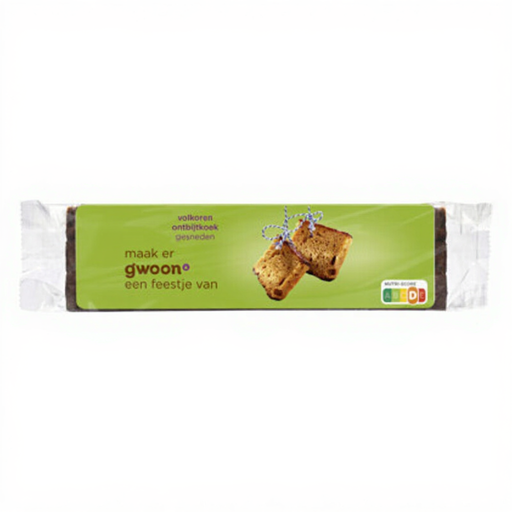
g'woon sliced wholemeal breakfast cake, 485 g
The sliced format is handy if you want to choose a slice to take with you in advance.
If you have an allergy, check the information on the packaging: the product description lists rye flour, but the allergen information is unclear.
View on Joybuy
 No image available
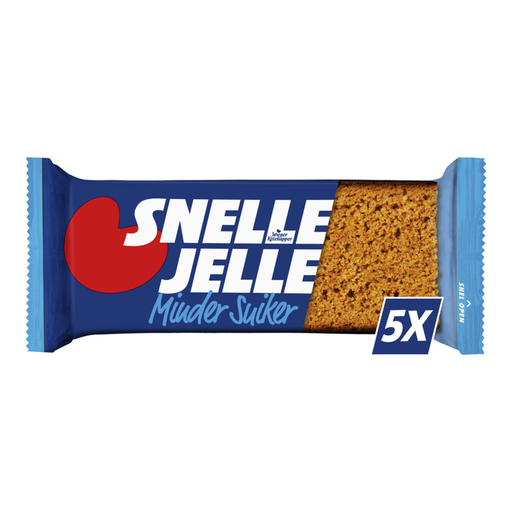
Snelle Jelle Breakfast Cake Less Sugar-Free, 250 g
This breakfast cake suits anyone who wants to take a portion with them without having to slice a cake there and then.
Don’t take the wording in the product name as confirmation that the cake is sugar-free. Check the ingredients, nutritional information and portion size on the packaging.
View on Joybuy
Frequently asked questions
When should I eat breakfast cake before a training session?
Plan a regular meal around 2 to 3 hours before exercising, as recommended by the Netherlands Nutrition Centre. If you want to eat breakfast cake shortly before you leave, choose a small portion you’re familiar with and consider how it suits you.
Does a claim about no added sugars mean I don’t need to watch my portion size?
No. Read the ingredients and nutritional information for the exact breakfast cake too. The product information for Peijnenburg Wholemeal with no added sugars lists polyols and warns that excessive consumption may have a laxative effect.
Does all breakfast cake contain iodine from baker’s salt?
Don’t assume that all breakfast cake contains baker’s salt or added iodine. The Netherlands Food and Consumer Product Safety Authority explains the conditions under which iodine compounds may be present in bakery products through baker’s salt; this doesn’t tell you anything about the ingredients of a specific breakfast cake. Check the label or ask the manufacturer.


