Who might find this choice relevant?

Anyone looking for a treat with their coffee

A generously filled breakfast cake or a variety with ginger, raisins or pearl sugar can make a special coffee break feel like a treat. As well as the flavour, take a look at the ingredients and nutritional information.

Anyone comparing fibre and sugars

When choosing a snack, you can consider wholegrain ingredients, fibre, sugars and the size of a slice. The right choice also depends on what else someone eats and on any individual dietary needs.

Anyone serving breakfast cake to someone else

Sliced cake or individually wrapped portions can make it easier to serve. Check the current allergen information before serving; if someone has swallowing difficulties, don’t rely on the size or softness of the cake alone.

What should you look for when choosing?

Decide what matters most for this coffee break: flavour, nutritional information, ease of serving or an individual dietary restriction. Then check the packaging of the specific variety you’re planning to buy.

What to consider What to check before buying Who it matters to
Fibre, sugars and sweeteners Compare fibre and sugars per 100 g and per portion; also check which sweeteners have been used. If fibre and sugars matter more to me than an unusual flavour, I want to know how much one slice contributes to my choice. Around 33% of consumers would consider this their main reason for buying.
Ease of serving Check whether the cake is sliced or individually wrapped, and how large each portion is. When I’m making coffee for several people, I want to be able to serve the cake easily. For around 27% of consumers, this would be the main reason for choosing a variety.
Flavour with coffee Check the flavour and filling of the variety you’ve chosen; also take a look at the ingredients. For a planned coffee break, I’m mainly looking for a flavour that feels like a treat. This would be the top priority for around 20% of consumers.
Individual dietary restrictions Read the allergens and warnings on the current packaging. If you have swallowing difficulties, seek individual advice. If I need to take allergies, tolerability or swallowing difficulties into account, being able to eat the food safely comes before flavour. Around 20% of consumers would put this consideration first.

Common mistakes

  • Assuming ‘premium’ means better nutritional value

    A premium name doesn’t tell you how much sugar, fibre or salt the cake contains. For example, PLUS lists 37.7 g of added sugars per 100 g for its Korenlanders Bakkers plain breakfast cake; that figure doesn’t automatically apply to other varieties.

    Choose a special flavour if you want to serve one, but check the nutritional information for the exact product separately.

  • Reading ‘no added sugars’ as ‘sugar-free’

    A product with no added sugars may still contain sugars and sweeteners. The Peijnenburg wholegrain variety reviewed contains xylitol and warns that excessive consumption may have a laxative effect.

    As well as checking the claim, read the ingredients, sugar content and any warnings on the label.

  • Assuming another variety has the same allergens

    Ingredients vary from product to product. The varieties reviewed list rye or wheat containing gluten; one specific PLUS variety also states that it may contain nuts.

    When checking allergens, always use the current packaging for the variety you’re serving.

  • Assuming a soft or sliced piece is suitable for someone with swallowing difficulties

    The size of a piece of breakfast cake doesn’t tell you whether it’s safe for someone who has difficulty swallowing.

    If you have swallowing difficulties, contact your GP, as Thuisarts advises, and follow individual advice about suitable foods.

Brands and shops compared

Peijnenburg

Peijnenburg offers, among other products, a sliced wholegrain breakfast cake with no added sugars.

  • The nutritional information for the wholegrain variety lets you compare fibre and sugars.
  • This variety contains rye and gluten; also check the xylitol listing and the warning about excessive consumption.

Albert Heijn

Albert Heijn provides product information for various Peijnenburg breakfast cakes, including wholegrain varieties.

  • Product pages provide ingredients, allergen and nutritional information to help you compare varieties.
  • Check the current packaging when you buy: product information and ranges can change.

Lidl

Lidl lists a 485 g zero breakfast cake as a shop product.

  • This listing is useful if you want to look for a zero variety in store.
  • Check the ingredients, allergens and nutritional information on the packaging you choose in store.

ALDI / KOEK&BAKKER

ALDI lists KOEK&BAKKER varieties with a generous filling, as well as sliced zero and wholegrain varieties.

  • You can choose based on flavour or opt for a pre-sliced variety.
  • Compare the ingredients and nutritional information for each variety on the packaging; the names alone don’t give you the full picture.

PLUS

PLUS lists plain, wholegrain, zero and flavoured breakfast cakes.

  • The range offers different flavours and sizes to compare.
  • Nutritional values and allergens vary by product: the information for a plain variety doesn’t apply to the others.

Breakfast cake at Joybuy

This breakfast cake suits anyone looking for a spiced flavour with their afternoon coffee and an easy way to serve portions. For dietary choices, check the current packaging.
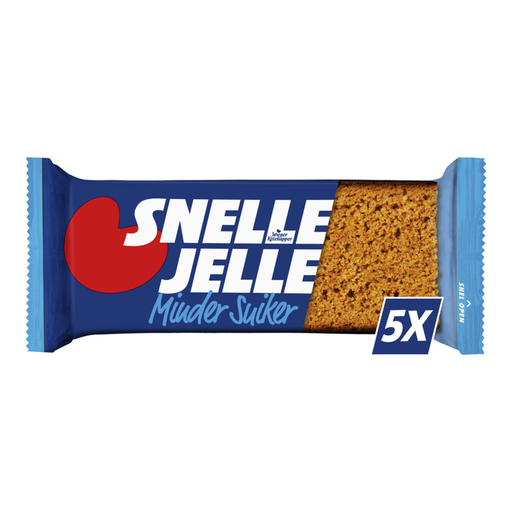
Snelle Jelle breakfast cake with less added sugar, 250 g

Snelle Jelle breakfast cake with less added sugar, 250 g

An option if you want to serve individually portioned spiced breakfast cake with coffee.

Check the packaging for nutritional information per 100 g and per portion. ‘Less added sugar’ doesn’t mean sugar-free; also look out for rye, gluten and the allergen information. If you have swallowing difficulties, don’t assume it’s suitable without individual advice.

Joybuy

Frequently asked questions

Is premium breakfast cake automatically a better choice for older people?

No. ‘Premium’ or ‘generously filled’ mainly describes the presentation or flavour, not the nutritional value. Compare the fibre, sugars, salt, ingredients and portion size of the specific variety with what matters to the person eating it.

Can I serve breakfast cake to someone who has difficulty swallowing?

Don’t assume that a soft or sliced piece is suitable for someone with swallowing difficulties. Thuisarts advises contacting your GP if you have difficulty swallowing; choosing suitable food requires an individual assessment.

How should I store breakfast cake after a coffee break?

According to Voedingscentrum, store breakfast cake in a cool, dry, dark place in a tightly sealed container. Also follow the instructions on the packaging and check the cake before serving it again.

Can I assume breakfast cake has a fixed iodine content?

No, don’t assume it has a fixed iodine content based on the product name. Voedingscentrum explains that using iodised baker’s salt in bread isn’t compulsory; check the specific packaging for information about the breakfast cake you’ve chosen.
