For a breakfast cake treat, first choose a variety that meets the school or after-school club’s requirements and whose current allergen information you can check. Individually wrapped or pre-sliced portions make it easier to hand them out evenly. A premium flavour is only worth considering once the ingredients and portion size are right for the group.
Who are the differences important for?
Parents handing out treats to a whole class
You want to give every child a similar small portion without having to slice everything on the day. Check in advance what the school or after-school club allows, and take account of allergies and other dietary requirements in the group, as the Netherlands Nutrition Centre advises.
Parents comparing labels
You check the ingredients, fibre and sugars for each variety, both per 100 g and per portion. Wholegrain and no added sugars describe different characteristics; neither tells you on its own whether a product is suitable for the group.
Parents looking for a more celebratory flavour
You might consider breakfast cake with pearl sugar, ginger, chocolate or nuts. With this kind of choice, it’s especially important to check the full ingredients list, allergens and any preparation needed.
What should you look for when choosing?
For a party treat, first check the requirements and allergens. Then choose a suitable portion size, and only after that compare the nutritional profile or flavour.
| What to consider |
What to check when buying |
Who it matters to |
| Allergens and requirements |
Check what the school or after-school club allows. Read the allergen information and any statements about possible traces on the exact pack. |
I don’t want to hand out a treat that doesn’t meet the group’s requirements or a child’s dietary needs; these checks are the main concern for around 36% of consumers. |
| Portions and handing out |
Compare the weight per portion and check whether the slices are individually wrapped or simply pre-sliced. |
When I’m preparing treats for a whole class, I want to give every child the same amount without lots of slicing; portion convenience comes first for around 29% of consumers. |
| Ingredients and nutritional information |
Compare fibre and sugars per 100 g and per portion. Also read the ingredients for wholegrain varieties and those with no added sugars. |
I want to compare the nutritional information for specific varieties rather than judge by a product term; around 21% of consumers prioritise this nutritional profile. |
| Flavour and presentation |
Check the flavour additions and see whether a premium variety still needs slicing. |
For a special occasion, I’m looking for a flavour or presentation that’s different from plain, as long as the treat suits the group; this is the top preference for around 14% of consumers. |
Common mistakes
-
Treating ‘premium’ as a fixed measure of quality
A luxurious flavour, organic ingredients, wholegrain and individual wrapping are different product features. None of them tells you anything about all the others on its own.
Decide what matters for this treat, then compare the specific varieties by portion size, ingredients and label information.
-
Relying on an out-of-date allergen list
Breakfast cake may contain rye, wheat or other gluten-containing cereals; some varieties also carry warnings about possible milk or nut allergens. Product information can change.
Check the packaging for your chosen variety just before handing it out, and make sure it meets the information provided by the school or after-school club.
-
Assuming ‘no added sugars’ means sugar-free
Peijnenburg still lists 4.9 g of sugars per 100 g for its sliced plain variety with no added sugars; the variety also contains xylitol.
Compare the sugars per 100 g and per portion you plan to hand out. Check the ingredients too if sweeteners are relevant to your choice.
-
Taking ‘artisan’ or ‘premium’ as proof of safety
Those words don’t tell you the acrylamide level of an individual product. In 2025, the Netherlands Food and Consumer Product Safety Authority reported that reference levels had been exceeded in artisan breakfast cake products it tested.
Don’t draw conclusions about a particular brand or pack from these descriptions. Assess the treat using the specific product information and the group’s requirements.
Brands and shops compared
Peijnenburg
A breakfast cake brand offering plain varieties, individually wrapped portions and a variety with no added sugars.
- The plain multipack contains ten individually wrapped slices of 28 g each.
- PLUS lists rye and gluten-containing cereals for this plain variety, with possible traces of milk and nuts. Check the packaging for the variety you choose.
Albert Heijn
Own-brand breakfast cake, including an organic puur&eerlijk variety on Albert Heijn’s product page.
- The product page lists the ingredients for this organic variety.
- Albert Heijn marks this particular variety as discontinued and lists gluten-containing cereals and rye.
Jumbo
Own-brand varieties that let you compare plain bars and wholegrain breakfast cake by checking the labels.
- Jumbo lists six portions for its plain bars; its wholegrain variety contains 35.9% wholegrain rye flour and 8.2 g of fibre per 100 g.
- For the plain bars and wholegrain variety mentioned, Jumbo lists gluten, rye and wheat.
Lidl
Premium breakfast cake, with flavours including apple and cinnamon, dark chocolate and nuts, and nuts.
- The flavour options give you a clear alternative if you’re looking for something other than plain.
- Before buying, check the full ingredients and allergen information on the packaging, especially if anyone in the group has dietary restrictions.
ALDI
Koek & Bakker breakfast cake, including a pre-sliced zero variety and premium pearl sugar breakfast cake.
- ALDI describes the pearl sugar variety as unsliced breakfast cake topped with crunchy pearl sugar.
- Check the label for the specific variety’s allergens and nutritional information, and consider how many portions you want to cut yourself.
PLUS
A retailer with product information for items including Peijnenburg breakfast cake in individually wrapped portions.
- The product page for Peijnenburg’s plain portions lists rye and gluten-containing cereals, as well as possible milk and nut allergens.
- PLUS notes that ingredients, nutritional information and allergen information can change, so check the current packaging too.
Breakfast cake on Joybuy for a party treat
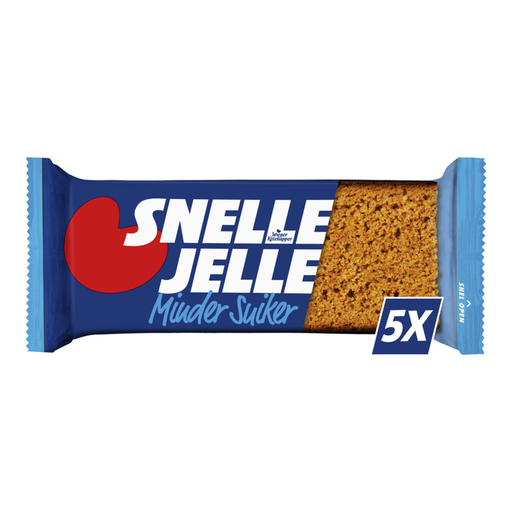
This selection features individually wrapped breakfast cake bars with a spiced flavour. Before handing them out, check that the portion size, current allergen information and school or after-school club requirements are suitable for the group.
 No image available
Snelle Jelle Breakfast Cake Less Sugar-Free 250 g
The five individually wrapped 50 g bars can be handed out one at a time; check whether that’s the portion size you want for your treat.
The product description lists rye and gluten, with possible traces of nuts and milk. Check the current packaging before buying for a group.
Check the sugars and other nutritional values on the packaging before drawing conclusions from the variety name.
View on Joybuy
Frequently asked questions
Should I check with the school or after-school club before handing out breakfast cake?
Yes. Ask in advance which treats are allowed and whether any children have allergies or other dietary requirements. The Netherlands Nutrition Centre advises taking these into account; a product label doesn’t replace the group’s requirements.
Is ordinary breakfast cake gluten-free?
Don’t assume so: the plain Peijnenburg and Jumbo products mentioned list rye, gluten-containing cereals or wheat. Check the current allergen information for the exact variety you plan to hand out.
Does ‘no added sugars’ mean breakfast cake is sugar-free?
No. Peijnenburg lists 4.9 g of sugars per 100 g for its sliced plain variety with no added sugars. Compare the nutritional information per 100 g and per portion rather than relying on the variety name alone.
Is artisan or premium breakfast cake demonstrably safer when it comes to acrylamide?
No. Those descriptions don’t provide evidence of a lower acrylamide level. The Netherlands Food and Consumer Product Safety Authority reported that its 2025 study found levels above the reference value in 34% of the 85 artisan breakfast cake products tested; this doesn’t amount to a verdict on any individual supermarket product.


