
Breakfast flatlay creator
You want to frame a whole bowl from above against a white background, and be able to operate the camera while setting up the shot.


To capture a whole breakfast bowl from above, getting the right angle and a stable setup matters more than buying a macro lens straight away. Canon Netherlands Store distinguishes between wider shots and macro details. If you’re using a white background, pay attention to exposure and white balance too: Sony Netherlands points out that a bright background can make food look dark. Choose a macro lens only if you want to show small ingredients in close-up, and check which lens comes with each kit.
You want to frame a whole bowl from above against a white background, and be able to operate the camera while setting up the shot.
You often photograph the same type of dish and want to adjust and repeat your lighting, white balance and composition.
As well as the whole bowl, you want to capture grains, fruit or other small details and textures in close-up.
First decide whether you want to photograph the whole bowl or individual ingredients. Then check the lens and setup, and take a test shot to see whether both the food and the white background look right.
| What to consider | What should you check? | Who is this important for? |
|---|---|---|
| White balance and exposure | Check whether you can adjust exposure compensation and white balance. Test the camera in the lighting you’ll actually use. | If I want the background to stay white without the food looking too dark, I pay attention to both settings. Around 33% of consumers prioritise white balance and exposure above all else. |
| Framing the whole bowl | Check which lens is included and try the framing you want at the camera height available to you. | I want to fit the whole breakfast bowl in the frame, with enough white space around it. Around 27% of consumers prioritise capturing the full flatlay. |
| Ingredient details | Compare the close-up capabilities of the exact lens and allow space for the camera and lighting. | When I want to capture small ingredients or textures in close-up, the lens matters more than the camera body alone. Around 20% of consumers prioritise ingredient details above all else. |
| Complete setup | Check what’s included in the kit, the lens mount and what camera support equipment you already have. | I don’t want to discover after buying that I’m missing an essential lens or setup. Around 20% of consumers prioritise having a complete, ready-to-use setup. |
A wide shot of the whole bowl and a close-up of a single ingredient call for different framing.
First decide whether you want a full flatlay or individual details. Then check whether the lens you’ve chosen can achieve the framing you want at the available shooting distance.
A macro lens could be an unnecessary extra purchase if you mainly photograph the whole bowl.
A camera body without a suitable lens isn’t automatically ready for the shot you have in mind.
Compare the exact versions and check which lens is included. Also consider whether you’ll need a stable overhead setup.
You may still need to buy a suitable lens or stable setup.
A bright background can make the food look dark, and white balance also affects how colours appear.
If the food looks too dark, Sony Netherlands recommends adjusting the exposure compensation. Check the food and background in a test shot, and adjust the white balance too if needed.
The EOS R50 kit with standard zoom is a practical starting point for framing a whole bowl from above. Canon Netherlands Store also discusses separate lenses for wider shots and macro photography.
The Z50II could suit you if you want to use the screen from an unusual camera angle. Nikon also discusses individual Z lenses for food photography.
The X-S20 is worth considering if you want to shoot RAW files and choose a lens with a Fujifilm X mount later.
The OM-5 Mark II is a compact body to consider if you’re also interested in focus stacking for still-life details.
Sony Netherlands discusses white balance and exposure compensation when photographing against a light background.
Joybuy camera options to compare for this type of photography.
 No image available
The rotating screen could be useful when you position the camera high up. Check that you can frame the whole bowl as you’d like.
1-inch CMOS sensor, 2× zoom, rotating 2-inch screen and 4K/240fps.
 No image available
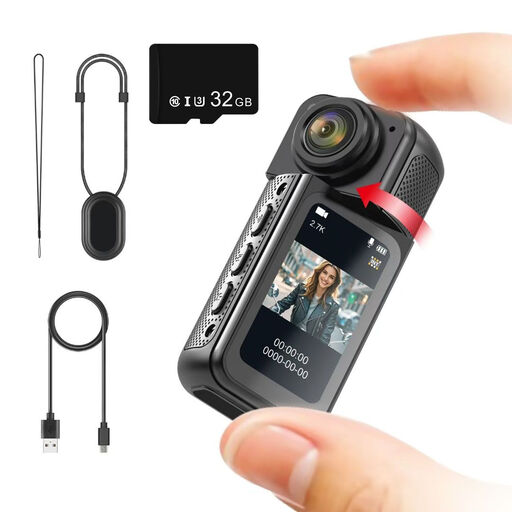
The rotating lens could give you another camera angle. Check in advance whether you can get the overhead view and bowl framing you want.
180° rotating lens, magnetic mount, 1.47-inch IPS screen and included 32GB memory card.
 No image available
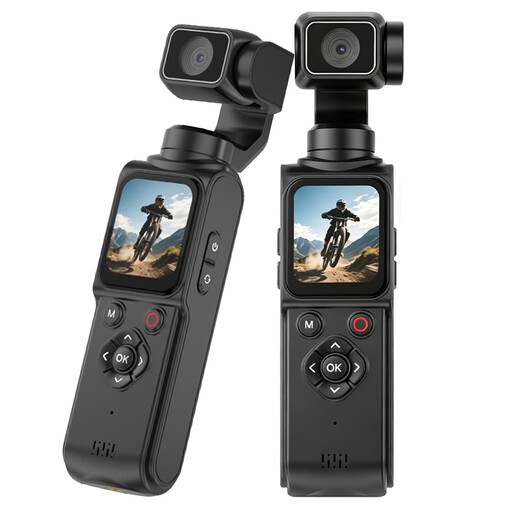
The rotating lens could be handy for aiming the camera from a different angle. Check that your setup will still capture the whole bowl.
Up to 64 MP for photos, 330° rotating lens and included tripod.
 No image available
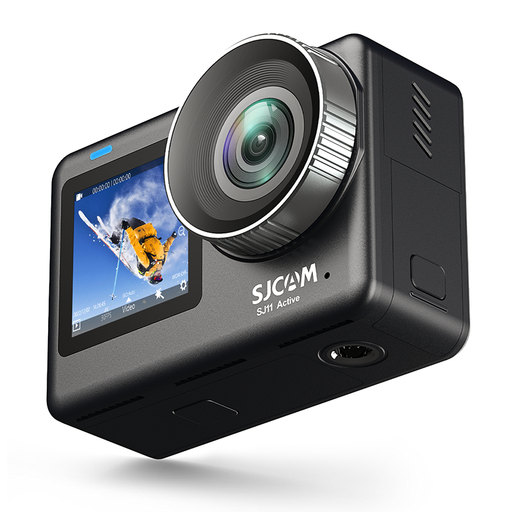
The product description lists adjustable white balance and exposure compensation. Check whether the controls suit the way you want to adjust the food and white background.
2.33-inch touchscreen, 1.3-inch display and 4K at 30 fps.
 No image available
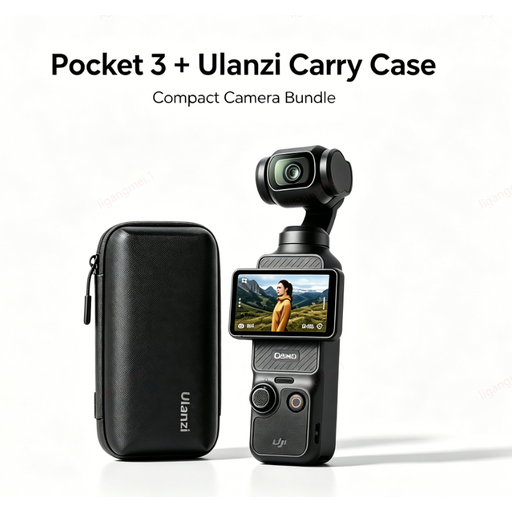
This combination is mainly worth comparing if you’re specifically looking for a compact handheld camera with the stated storage case. Check that the controls work for taking photos directly from above.
The product name lists a DJI Pocket 3 camera with Ulanzi Custom Storage Carry Case.
Take a test shot in the lighting you’ll actually use and check how bright the food looks. If food appears too dark against a light background, Sony Netherlands recommends adjusting the exposure compensation. Adjust the white balance too if the whites or food colours look wrong.
Not if you mainly want to show the whole bowl. First decide on the framing you want and the camera height available to you. A macro lens becomes useful when you want to show small details in close-up.
First check whether a suitable lens is included. For a consistent overhead composition, a stable tripod or overhead rig can help. Make sure it fits safely in your workspace.
For a consumer purchase, the seller is responsible for the statutory guarantee. The ACM states that if a product is faulty, the seller must provide an appropriate solution, such as a free repair or replacement.
For a standard online consumer purchase, you’ll generally have a statutory 14-day cooling-off period from delivery, according to ACM ConsuWijzer. Exceptions may apply. Changing your mind during the cooling-off period is different from a statutory guarantee claim for a faulty product.