Who is this buying guide for?

Photographers dealing with tricky morning light

You want your breakfast bowl to stand out against a dark background, so you’re paying attention to the direction of the light, exposure and possible camera shake. Nikon Netherlands discusses light and atmosphere in food photography.

Photographers shooting breakfast from above

You want to capture the whole bowl and perhaps some accessories too. Available space, shooting angle and the lens’s field of view are all important considerations; Nikon Netherlands covers different angles for food photography.

Photographers capturing ingredient details

You might want to show the texture of grains or fruit, for example. Check the focusing distance and magnification of the lens you plan to use; Canon Netherlands discusses lenses for food photography.

What should you look for when choosing?

Mirrorless camera with interchangeable lens

Choose this option if: you want to photograph both the whole bowl from above and small ingredients up close, and choose a lens to suit each task.

Trade-off: your choice of lens depends on whether one is included or you buy one separately.

Compact camera with a fixed lens

Choose this option if: you want to shoot without changing lenses and the fixed lens’s range suits your table setup.

Trade-off: you can’t fit a different lens later, so check the focusing distance at the zoom setting you plan to use.

Keep your current camera

Choose this option if: your camera already focuses on and frames the bowl as you want, but you’re not happy with the exposure or shadows.

Trade-off: different lighting or a tripod could improve your setup, but won’t solve a lens’s minimum focusing distance being too long.

What to consider What to look for when buying Who is this important for?
Light and atmosphere Check the exposure controls, RAW support and maximum aperture of your chosen camera and lens combination. A wide aperture lets in more light, but gives you less depth of field. If you want the bowl to remain clearly visible without losing the dark atmosphere, control over lighting is a major priority. Around 36% of consumers put light and atmosphere at the top of their list when buying.
Overhead framing From the available camera height, check whether the whole bowl and the accessories you want will fit in the frame. If you want to capture the whole bowl, perhaps with cutlery or ingredients around it, consider the field of view and the space available for your setup. Around 29% of consumers prioritise framing that captures the whole scene.
Small details Compare the minimum focusing distance and magnification of the specific lens or fixed lens. To capture small ingredients clearly, close focusing matters more than simply having a high megapixel count. Around 21% of consumers prioritise close-up detail.
Complete setup Compare the camera body with the lens and any accessories included in the version you’re considering. If you want to get started without choosing an extra lens, check that the fixed lens suits your shooting distance. Around 14% of consumers value a simple, complete setup most.

Buying pitfalls

  • Comparing camera bodies alone

    The lens affects the field of view, maximum aperture and close-up capabilities. So a camera body on its own won’t tell you whether the setup will suit your breakfast bowl.

    Compare complete kits and check which lens is included. You may need to buy a suitable lens or tripod separately.

  • Underexposing the whole shot to darken the background

    This can also make the bowl and ingredients lose their visible texture; the direction and position of the light affect the overall atmosphere.

    First assess the side lighting and the distance between the bowl and the background. Then adjust the exposure.

  • Confusing zoom or megapixels with close-up capability

    The focusing distance can vary depending on the zoom setting. The megapixel count alone doesn’t tell you how large small ingredients will appear in the frame.

    Check the focusing distance and magnification of your chosen lens at the zoom setting and working distance you plan to use.

Camera brands to consider

Canon

Canon offers both mirrorless cameras with interchangeable lenses and compact cameras with fixed lenses.

  • Canon specifies a 24.2-megapixel APS-C sensor for the EOS R50 and features the model in its own food photography materials.
  • According to Canon, the PowerShot G7 X Mark III has a 1.0-type sensor and a fixed lens. These manufacturer specifications don’t compare results in your setup, so consider the lens and working distance too.

Nikon

The Nikon Z50II is a DX mirrorless camera; Nikon covers different shooting angles and lenses for food photography.

  • Nikon describes viewing images through the viewfinder or on the screen, and discusses separate lenses for food photography.
  • Check which kit you’re choosing: a suitable lens isn’t necessarily included with every version.

Fujifilm

The X-S20 is an APS-C mirrorless camera with Fujifilm X mount, so you choose the lens yourself.

  • Fujifilm lists 26.1 megapixels, RAW shooting and five-axis sensor stabilisation.
  • The stated 7.0-stop compensation applies under the CIPA test conditions specified by Fujifilm, using the relevant lens. It doesn’t predict the same results for your breakfast bowl or with a different lens.

Sony

The RX100 VII is a compact camera with a fixed zoom lens for anyone who doesn’t want to change lenses.

  • Sony specifies a lens range equivalent to 24–200 mm on a full-frame camera.
  • According to Sony, the focusing distance is around 8 cm at the wide-angle end and 100 cm at the telephoto end, measured from the front of the lens. Check which zoom setting suits your working distance.

Cameras at Joybuy

Below are cameras and camera-style models relevant to this topic. Check whether the features and shooting distances listed suit food photography for each version; product names alone don’t confirm that a model is suitable for close-ups of ingredients.

NAXSIR digital camera, 4K Ultra HD, 64 MP, 18x digital zoom and 32 GB memory card

NAXSIR digital camera, 4K Ultra HD, 64 MP, 18x digital zoom, 32 GB card

The title describes a digital camera with a memory card; for breakfast bowl photography, check the lens’s focusing distance and magnification.

The product title lists 64 MP photo resolution, 18x digital zoom and a 32 GB memory card.

View at Joybuy

KOMERY G7 5K digital camera, 80 MP

KOMERY G7 5K digital camera, 80 MP

The product title describes a portable camera for beginners; check the focusing distance before choosing it for small ingredients.

The title lists 80 MP and 18x zoom.

View at Joybuy
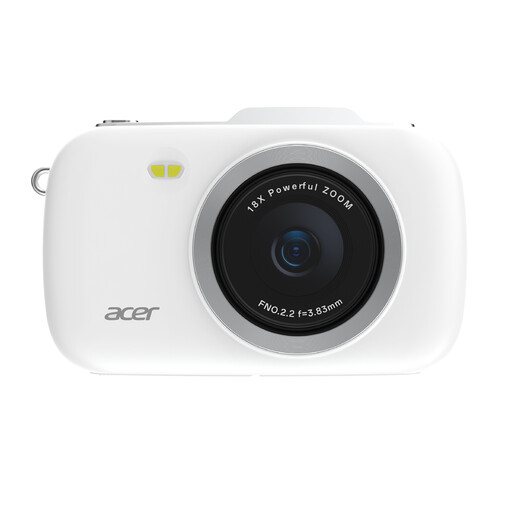
KOMERY G7-A 4K digital camera, 80 MP

KOMERY G7-A 4K digital camera, 80 MP

The product title describes a portable camera; assess the lens and focusing distance for the distance you want to shoot from.

The title lists 80 MP, 18x zoom and 4K video.

View at Joybuy

DJI Osmo Pocket 3 Creator Combo with 1-inch CMOS sensor and 4K/120fps video

DJI Osmo Pocket 3 Creator Combo

The title describes this model as a camera for photography and video; check that its controls and lens suit still photographs of breakfast bowls.

The title lists a 1-inch CMOS sensor, 4K/120fps video and an included microphone.

The product description mentions fast focusing and a rotating screen.

View at Joybuy

DJI Osmo Pocket 3 with 1-inch CMOS sensor, 4K/120fps video and 3-axis stabilisation

DJI Osmo Pocket 3

The title describes this model as a camera for photography and video; check that the lens and focusing distance suit your still-life setup.

The title lists a 1-inch CMOS sensor, 4K/120fps video and 3-axis stabilisation.

The product description mentions fast focusing and a rotating screen.

View at Joybuy

Frequently asked questions

Do you need a new camera with a wide maximum aperture for a dark background?

No, start with the direction of the light and the exposure of the bowl. Side lighting and the position of the window affect the shadows; for a stationary bowl, a tripod can help if you use a longer shutter speed. A wide aperture lets in more light, but also reduces the depth of field.

How do you set up a camera for an overhead shot?

From the available height, check whether the whole bowl and the accessories you want will fit in the frame. Choose the lens’s field of view based on the space above the table. A tripod can help keep the camera and composition steady.

Is a kit lens automatically suitable for small toppings?

No, check the minimum focusing distance and magnification of the included lens. A macro lens can reproduce details at life size on the sensor, but you don’t need one if you only want to photograph the whole bowl.

What if a camera bought online disappoints or develops a fault?

For an applicable online consumer purchase from a business, you generally have a 14-day cooling-off period in the Netherlands, with exceptions explained by the Dutch government. You’re also entitled to a product that works as it should; if there’s a fault, the seller is your point of contact for a solution. The Netherlands has no fixed statutory guarantee period for all products. Check the terms of your purchase.
