For overhead shots of complete breakfast bowls, first check whether your existing phone and a fixed lighting set-up give you the framing and sharpness you want. A mirrorless camera is worth considering if you need more control or interchangeable lenses. For close-ups, a dedicated macro lens may be suitable, but it won’t necessarily work for a wide table scene. Compare the complete set-up, including the lens and any tripod, rather than just the camera body.
Who photographs breakfast bowls for an online shop?
Overhead shot creator
Mostly photographs complete breakfast bowls and wants to achieve the same framing above the table each time. Consider the field of view, space for setting up and a stable camera position. Canon Netherlands and Nikon Netherlands explain the choice between a wider food composition and a close-up.
Ingredient detail photographer
Wants to show textures and small toppings individually. So, compare a lens’s focusing distance and magnification, as well as the space available for lighting. Canon Netherlands, Sony Netherlands, Nikon Netherlands and Fujifilm X explain the options for close-up and macro photography.
Online shop creator with a set workflow
Takes similar product photos regularly and wants to keep colour, framing and costs manageable. So, assess the complete set-up and product presentation, not just the camera body. Nikon Netherlands and the Consumers’ Association offer relevant information about photography and cameras.
What should you look for in a camera for breakfast bowls?
Existing phone and fixed set-up
When: If you mainly photograph complete bowls and your current device gives you the framing and sharpness you want.
The trade-off: You don’t need to buy a camera body, but your options for close-ups depend on your phone.
Mirrorless camera with a standard or zoom lens
When: If you regularly photograph complete bowls and wider compositions, and want to choose the lens and framing yourself.
The trade-off: An interchangeable lens gives you options, but a camera body on its own isn’t a complete set-up. Check what’s included in the kit and how much space you have above the table.
Mirrorless camera with a dedicated macro or close-up lens
When: If small ingredients, textures or individual details are an important part of your product photos.
The trade-off: Close-up photography calls for greater care with focusing, depth of field and lighting. A macro lens won’t necessarily be suitable for photographing the whole bowl.
| What to consider |
What should you check? |
Who is this important for? |
| Fitting the whole bowl in the frame |
Check that the lens’s field of view and focal length can capture the bowl and the background you want. Also consider the shooting distance and the space above the table. |
If I want to photograph a whole bowl from above, the framing needs to work in my workspace. Around 33% of consumers prioritise capturing the whole bowl. |
| Ingredient details |
Compare the magnification and minimum focusing distance of the exact lens. Allow for the space needed for lighting. |
If I want to show toppings or textures individually, I look at how close the lens can focus. Around 27% of consumers prioritise ingredient close-ups. |
| Consistent images |
Check which image settings and shooting options the exact model offers. A fixed camera position can help you recreate the framing for repeat shots. |
Anyone taking similar product photos wants to be able to repeat the framing and presentation. Around 20% of consumers prioritise a consistent online shop workflow. |
| Complete set-up |
Check whether the offer includes a lens and whether it suits the photos you want to take. Include any tripod or dedicated macro lens in your comparison. |
If I don’t want to buy more than I need for my photos, I compare my current equipment with the complete new set-up. Around 20% of consumers prioritise total costs. |
Buying pitfalls to avoid
-
Comparing camera bodies only
The lens and set-up both help determine whether you can frame the whole bowl or focus on a small ingredient.
Compare exactly what’s included in the kit and check that the lens can handle the framing and shooting distance you want.
A macro lens may be a separate purchase.
-
Treating a business purchase like a consumer purchase
According to Ondernemersplein, the statutory cooling-off period for consumers doesn’t automatically apply to business purchases. Warranty rules may also differ.
Before ordering, check whether you’re buying as a consumer or a business, and read the terms that apply to your purchase.
Camera brands to compare
Canon
The EOS R50 is an APS-C mirrorless camera with an RF mount. A separate RF lens may be worth considering for overhead shots or food close-ups.
- Canon specifies 24.2 effective megapixels and an RF mount for the EOS R50.
- Canon doesn’t list sensor-shift stabilisation for the R50. Check which lens is included in the offer; the specifications of a separate lens don’t tell you what’s in the kit.
Sony
The E-mount Alpha 6400 is an option to compare when choosing an APS-C body with a lens selected separately.
- Sony specifies around 24.2 effective megapixels and RAW shooting for the ILCE-6400.
- According to Sony, the separate Sony E 30 mm F3.5 Macro offers 1:1 magnification. Check whether the kit includes a lens. This macro lens isn’t automatically suitable for a wide table scene.
Nikon
The Z50II and Nikon Z lenses are worth considering if you want to photograph complete dishes while keeping the option of choosing a macro lens.
- Nikon describes how to use Picture Controls through the Z50II’s viewfinder or screen. According to Nikon, the separate NIKKOR Z MC 50mm f/2.8 offers 1:1 magnification.
- The magnification of this separate lens doesn’t tell you what’s included in a Z50II kit or apply to other Nikon lenses.
Fujifilm
The X-S20 with X mount is an option if you’re considering a mirrorless camera with customisable image settings and may want to choose a macro lens later.
- Fujifilm specifies 26.1 megapixels, RAW shooting and sensor stabilisation for the X-S20. According to Fujifilm, the separate XF30mmF2.8 R LM WR Macro lens offers 1:1 magnification.
- Check whether the lens is included in the kit and whether the shooting distance suits your set-up and lighting. The stated stabilisation doesn’t guarantee a particular photo result.
Joybuy cameras for product photography
This Joybuy selection includes compact cameras, an action camera and a Sony Alpha A6100 with a 16-50mm lens. For each model, check whether the lens, field of view and controls suit overhead shots or close-ups of breakfast bowls.
 No image available
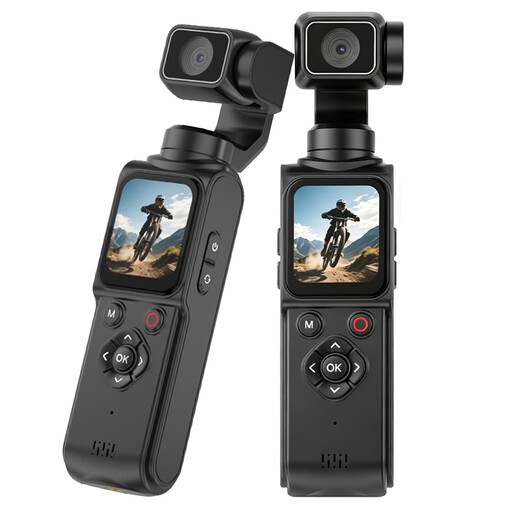
KINSI Mini Vlog Camera 4K, 64 MP, rotating lens
If you’re considering a compact vlogging camera, check that the lens and controls suit the still product photos you want to take.
The product name lists a 330° rotating lens, a 1.72-inch touchscreen, Wi-Fi and an included mini tripod.
Joybuy
 No image available
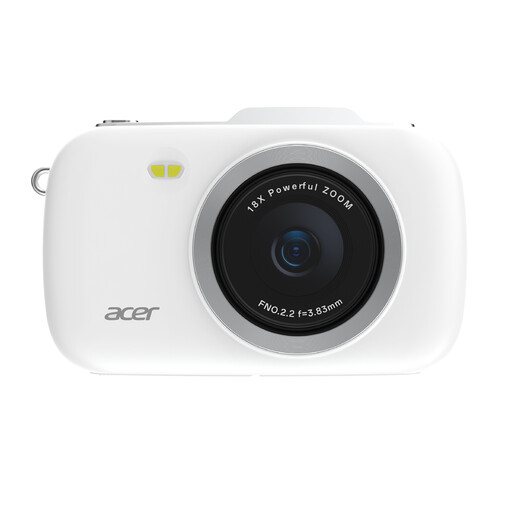
KOMERY G7-A 4K digital camera, 80 MP, 18X zoom, white
If you’re looking at a compact camera with zoom, check that the framing and controls suit your planned table set-up.
The product name lists 80 MP, 4K, 18X zoom and the colour white.
Joybuy
 No image available
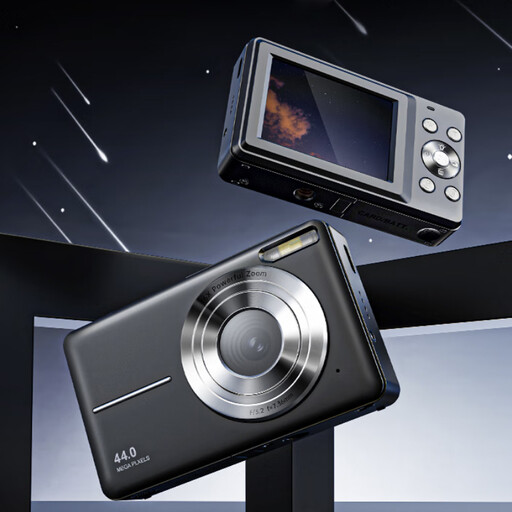
Songdian Pocket Camera 4K, 44 MP, 16X zoom, black
If you’re considering a pocket camera for photos and video, check that the zoom and framing suit the distance to the breakfast bowl.
The product name lists 4K, 44 MP, 16X zoom and the colour black.
Joybuy
 No image available
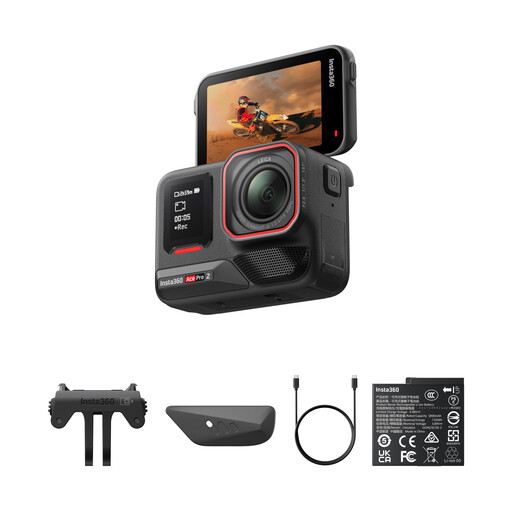
Insta360 Ace Pro 2 Dual Battery Bundle, 8K action camera
If you’re considering an action camera, check that its wide-angle view suits the composition you want for the bowl and its surroundings.
The product name lists a Dual Battery Bundle, a 1/1.3-inch sensor, a 157° wide-angle lens and a waterproof design.
Joybuy
 No image available
Sony Alpha A6100 + 16-50mm f/3.5-5.6 OSS II
If you want to compare a mirrorless camera with a zoom lens, check that the included lens’s range suits the space available and the framing you want.
The product name lists a 16-50mm f/3.5-5.6 OSS II lens.
Joybuy
Frequently asked questions
Do I need to buy a mirrorless camera straight away to photograph complete breakfast bowls?
No. First, check whether your current equipment and lighting set-up give you the framing, sharpness and consistency you want. A mirrorless camera may be a good fit if your current set-up limits your choice of lens or how you operate the camera.
Where should I start with overhead shots and close-ups?
First, test whether the whole bowl fits in the frame at the working height available. If needed, keep your camera position steady with a stable set-up. For close-ups, check the focusing distance and depth of field separately. Close-up photography calls for extra precision when focusing.
What extra costs and returns terms should I check?
Check whether the offer includes just a body or the lens you want as well, and include any tripod or separate macro lens in your comparison. Ondernemersplein states that consumers buying at a distance generally have a statutory 14-day cooling-off period. This consumer cooling-off period doesn’t automatically apply to business purchases. Warranty rules may also differ depending on whether you buy as a consumer or a business.
Can I use another creator’s photos in my online shop?
Not without permission. According to the Dutch Government, you may only use someone else’s copyright-protected photos with the creator’s permission. You may not make a private copy available to the public.
How can I make sure product photos don’t give customers the wrong impression of what’s on offer?
Make sure the photos and product information accurately reflect what you’re offering and don’t hide important details. The Netherlands Authority for Consumers and Markets describes giving consumers a misleading impression that leads them to make a different choice as misleading practice; it doesn’t prescribe a particular camera or colour setting.


