Brown bread is a middle-ground choice for a student-budget dinner if people who usually eat white bread are also willing to try bread made with wholemeal flour: according to the Netherlands Nutrition Centre, brown bread combines wholemeal flour with white flour. If a fully wholemeal flour base matters more than a resemblance to white bread, choose wholemeal; if sticking with familiar white bread is the priority, choose white. For whichever bread you choose, compare the ingredients, fibre per 100 g, allergens and a portion size that suits the meal.
Who is each option right for?
White bread eaters who want to try something different
You’re sharing a meal with students who are used to white bread, but you’d also like to serve bread made with wholemeal flour. According to the Netherlands Nutrition Centre, brown bread combines wholemeal flour with white flour. You’ll only know whether everyone likes the taste once you try the bread you’ve chosen.
Students who mainly focus on fibre
You eat bread regularly, so you compare the type of flour and the fibre per 100 g. If you want a fully wholemeal flour base, look specifically for wholemeal bread rather than judging by its colour.
Those planning several meals
You’re splitting bread between several people or meals. For you, practical considerations include choosing the right loaf size, checking the storage instructions and seeing what’s currently available in store.
What should you look for when choosing?
White bread
Choose it when: familiar white bread is the deciding factor for this meal.
The trade-off: according to the Netherlands Nutrition Centre, white bread is made with white flour; in its comparison, it contains less fibre than wholemeal bread.
Brown bread
Choose it when: you want bread made with wholemeal flour as well as white flour, without going straight for a fully wholemeal option.
The trade-off: the ingredients and fibre content vary from loaf to loaf; according to the Netherlands Nutrition Centre, brown bread doesn’t mean 100% wholemeal.
Wholemeal bread
Choose it when: a fully wholemeal flour base matters more than a resemblance to white bread.
The trade-off: if you’re sharing the meal, check whether the others are happy to eat this option too.
| What to consider |
What to check when buying |
Who it matters to |
| Taste and texture |
Read the bread description and ingredients if you’re looking for a loaf made with both wholemeal flour and white flour. |
If my housemates are used to white bread, I want a middle-ground option they’ll eat too. Around 33% of consumers would consider flavour acceptance their top priority. |
| Fibre and type of flour |
Look for the term wholemeal for a fully wholemeal flour base; compare the fibre per 100 g in different loaves. |
When bread is a regular part of my meals, I mainly want to know how much fibre the loaf I choose contains. For around 42% of consumers, fibre would be the priority. |
| Size and storage |
Choose a half or whole loaf to suit the number of people eating, and read the storage instructions before setting aside portions. |
I want to split bread between several student meals without having too much left over. Around 25% of consumers would weigh up portions and supplies first. |
Common mistakes
-
Assuming dark or multigrain bread is wholemeal
The colour or number of grain varieties doesn’t, on its own, mean that a loaf is fully wholemeal. According to the Netherlands Nutrition Centre, brown bread contains both wholemeal flour and white flour.
Look specifically for wholemeal if you want a fully wholemeal flour base. For brown bread, read the ingredients and compare the fibre per 100 g.
-
Assuming every loaf contains baker’s salt
According to the Netherlands Nutrition Centre, not all bread is baked with baker’s salt. So the type of bread alone won’t tell you which salt has been used.
Check the ingredients for baker’s salt or iodised salt. If you’re buying unpackaged bread, ask the baker which salt they use.
-
Assuming every shop stocks the same range
Lidl Netherlands says its fresh bread range can vary by store. Product information can also change, as Albert Heijn notes on its product pages.
Check what’s available just before you buy, and read the label on the loaf you take home for its ingredients and allergen information.
Brands to consider
Albert Heijn
AH Brown Whole Loaf is a specific example to consider if you’re looking at brown bread made with a mix of flours.
- Albert Heijn lists 34% wholemeal wheat flour, 33% wheat flour and 4.6 g of fibre per 100 g for this loaf.
- Check the label on the loaf you buy, as product information can change.
ALDI
ALDI’s daily fresh bread information lists white, brown and wholemeal loaves as separate options.
- ALDI says its wholemeal breads are made with 100% wholemeal flour.
- Check the ingredients and nutritional information for the loaf you choose; an overview of the range doesn’t describe every label.
PLUS
PLUS Farmer’s Brown Whole Loaf is an example to consider if you want to compare the ingredients in a brown loaf.
- PLUS lists both wholemeal wheat flour and wheat flour for this loaf, along with 4.8 g of fibre per 100 g.
- Read the current label, including the allergen information, as product details can change.
Dirk
Dirk’s bread range includes white, brown and wholemeal options.
- You can compare different types and sizes of bread before planning a meal.
- For a specific loaf, read the ingredients and nutritional information on the product page or packaging.
Lidl
The oven-fresh range is worth considering if you’re choosing bread in store for your meal.
- Lidl offers a range of oven-fresh bread options.
- According to Lidl Netherlands, the range can vary by store; check the loaf you choose and its allergen information in store.
Bread options at Joybuy
These options are worth considering if you’re looking for bread made with wholemeal wheat, or rye bread if fibre is a bigger priority. Compare the product information and think about which bread everyone will want to eat with this meal.
 No image available
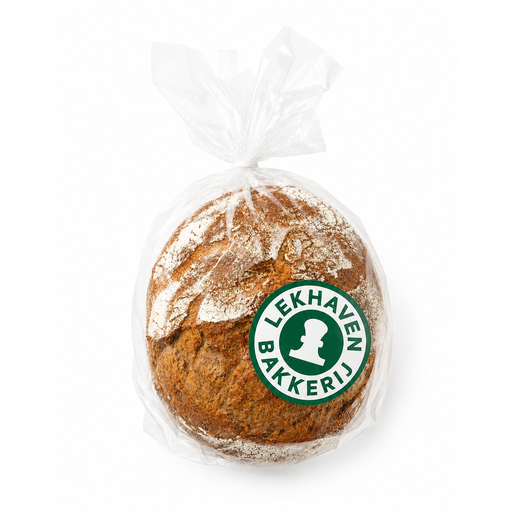
Lekhaven Bakkerij Whole Wheat Country Round Bread 550 g
An option to consider if you’re looking for a round loaf made with wholemeal wheat for a student meal. Before choosing it as a middle-ground option, compare the ingredients and fibre per 100 g on the packaging.
Contents: 550 g. Follow the instructions on the packaging for baking after defrosting.
View on Joybuy
 No image available
TastyBasics rye bread, 9 pieces
A rye bread option for anyone who mainly focuses on the type of flour and fibre, rather than looking for a brown blend that resembles white bread.
Pack: 9 pieces. Check the label for fibre per 100 g and allergen information.
View on Joybuy
Frequently asked questions
Is brown bread a mix of white and wholemeal bread?
According to the Netherlands Nutrition Centre, brown bread combines wholemeal flour with white flour, while white bread is made with white flour and wholemeal bread with 100% wholemeal flour. So it’s a middle-ground choice in terms of flour, but check the nutritional information if fibre is the deciding factor for you.
Does all bread contain iodised baker’s salt?
No. According to the Netherlands Nutrition Centre, not all bread is baked with baker’s salt. Check the label to see whether baker’s salt or iodised salt is listed in the ingredients, or ask if you’re buying unpackaged bread.
How should I store bread for several student meals?
Follow the storage instructions for the bread you choose and divide it into portions if needed. Albert Heijn and PLUS say that the brown loaves discussed here can be frozen on the day of purchase; don’t assume the same instructions apply to other bread.
Where can I check the allergen information for bread?
Read the allergen information for the specific loaf on its packaging. The Netherlands Food and Consumer Product Safety Authority explains that allergens must be clearly listed on food products; don’t assume the ingredients are the same as those in another loaf from the same brand.


