
Vandaag of morgen in huis

Kwaliteit gegarandeerd

Welkomstaanbiedingen ontgrendelen: GRATIS bezorging | Tot 80% korting | Gratis 30 dagen JoyPlus-proefperiode
Download de app
Freshly baked bread smells wonderful, but slicing it can be tricky. The crust breaks, soft crumbs stick to the knife, and thick or uneven slices make a sandwich less practical. A bread slicer can speed up the job, but not every model is suitable for a small Dutch kitchen or for daily use.
Pay particular attention to three common pitfalls:
For sandwiches, toast and bread for the freezer, an adjustable slice thickness is useful. A range of 0 to 15 mm offers various options, from thin slices to slightly thicker cuts. Check whether the setting is continuously adjustable or works in increments, and whether the product description clearly explains how to use the knob.
A bread slicer with a serrated blade is designed to cut through a crust and soft crumb. Stainless steel is practical for maintenance and corrosion resistance. Also pay attention to the diameter. The Fritel SL 3070 has a blade diameter of 170 mm, so you should check in advance whether your loaves fall within the stated dimensions.
Automatically slicing bread sounds simple, but you still need to place and move the bread on the carriage by hand. A food pusher keeps your fingers away from the blade. Use it for small pieces of bread too.
Also check whether the appliance:
A sharp blade can cause serious injury. For this reason, do not leave an electric bread slicer plugged in and unattended. Children must not operate or clean the appliance.
A compact bread slicer is particularly useful when you have limited cupboard space. According to the product specifications, the Fritel SL 3070 measures 367 × 222 × 108 mm and is foldable. This makes it suitable for a kitchen where the appliance needs to be put back in a cupboard after use.
Look out for removable parts. According to the product information, the Fritel SL 3070’s stainless steel serrated blade and collection plate with crumb tray can be removed. This can make cleaning easier, but always follow the instructions for use. Unplug the appliance before removing parts or cleaning the blade.
The right choice depends on what you actually want to do. A bread slicer slices bread; a bread maker prepares the dough and bakes the bread. These appliances are therefore not direct substitutes for one another. However, they can complement each other for home bakers.
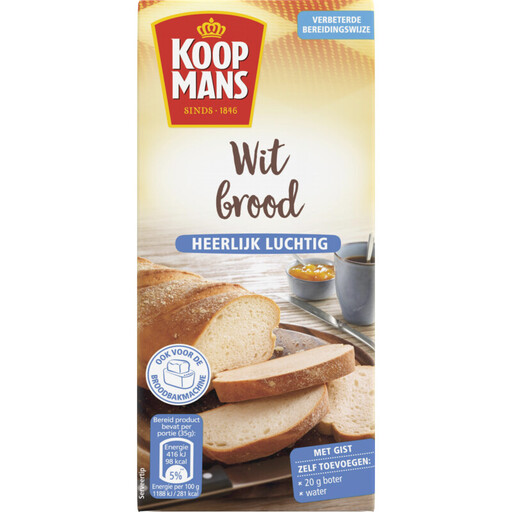
Why it suits this profile: For beginners who want to bake their own bread first without buying several appliances straight away. This complements a bread slicer; it is not a slicing appliance.
The product information clearly states that only water needs to be added and that the mix can be used in an oven or bread maker.
450 g bread mix; suitable for an oven and bread maker; an affordable starting point for home baking.
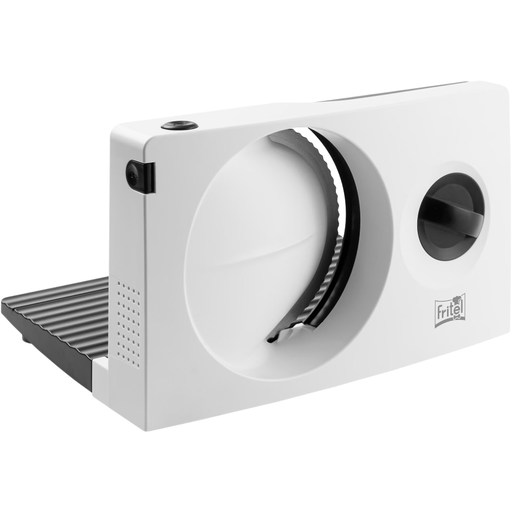
Why it suits this profile: For anyone who values evenly sized slices, an adjustable slice thickness and space-saving storage.
The specifications list a serrated stainless steel blade, a food pusher, a child-safe on/off switch and a foldable design.
Slice thickness of 0-15 mm; blade diameter of 170 mm; power output of 100 W; collection plate with crumb tray; 2-year manufacturer’s warranty according to the product information.
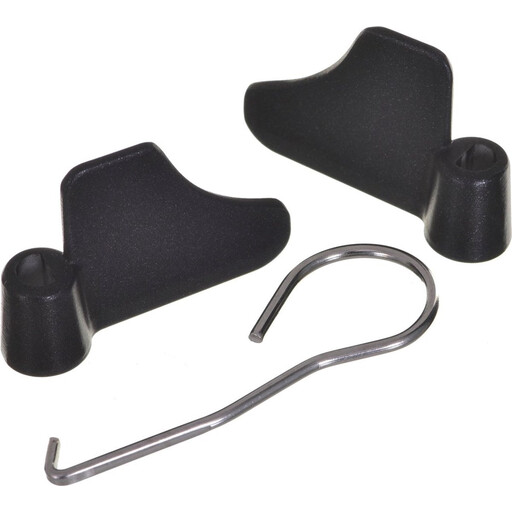
Why it suits this profile: For families who want to bake several loaves and then use the bread slicer to divide them into evenly sized portions.
The capacity and programmes are specified in advance, so you will not confuse this appliance with a compact electric bread slicer.
1600 W power output; 16 automatic programmes; loaf weight from 750 g to 1.5 kg; delayed start and viewing window according to the product description.
We have put together a complete, up-to-date list of products that fully meet these strict selection criteria and the applicable European safety regulations.
Fresh bread is often still soft and moist inside. Allow it to cool sufficiently first, following the instructions for your recipe or appliance. Very warm bread can lose its shape more easily or stick to the blade. Always use the food pusher and keep your hands away from the slicing area.
Its lifespan depends on usage, maintenance, storage and the strain placed on the appliance. Remove crumbs regularly, do not use damaged parts and do not force the carriage. A removable blade can make maintenance easier. Before buying, also check the warranty and the availability of replacement parts.
Power consumption depends on the wattage and how long the appliance is used. A 100 W model uses relatively little energy per use when slicing for a short time. Calculate the actual cost using: power in kilowatts × usage time in hours × your electricity tariff. If you use it for a few minutes each day, the operating time generally remains limited, but always check the product specifications and your current energy tariff.
