
Families looking for bread to serve several people
If bread is a side dish with your Sunday roast, choose a whole or half loaf to suit the number of people eating and what you’ll do with any leftovers.


If you’re working to a tight shopping budget for a Sunday roast, a whole or half loaf is a sensible choice, as long as you match the amount to your group and can use up any leftovers. Choose bake-at-home bread when you want warm bread just before serving and can fit the preparation into your schedule. If you have a relevant allergy, always check the latest allergen information.
If bread is a side dish with your Sunday roast, choose a whole or half loaf to suit the number of people eating and what you’ll do with any leftovers.
If you want to bake the bread just before the meal, baguettes, ciabatta or rolls are an option. Bear in mind the cooking instructions and the space in your oven or air fryer.
If you’ll use the bread for breakfast or lunch after your roast, consider the type of bread, the quantity and how to store any leftovers. Look for the wholemeal label to identify this type of bread.
First, decide how much bread to serve with your roast and whether you’ll use any leftovers. Then choose between bread that’s ready to serve and bread that needs preparing.
| What to consider | What should you check? | Who is it important to? |
|---|---|---|
| How much you need | Check the weight, the number of pieces and whether a whole or half loaf suits the number of people eating and your plans for any leftovers. | If I’m serving bread with this meal only, I don’t want to be left with lots of unused portions. Around 42% of consumers prioritise the quantity they need. |
| When you’ll serve it | If you’re choosing bake-at-home bread, check the cooking method and whether you’ll have an oven or air fryer available. | I want to serve the bread warm, so I need to fit baking it in around the roast. For around 25% of consumers, how the bread is served is their first concern. |
| Using it after Sunday | Look for the wholemeal label if that’s the type of bread you want, and choose an amount you can use or freeze. | If I’m saving leftovers for breakfast or lunch, it matters whether the bread works for those meals too. Around 25% of consumers prioritise how they’ll use it later. |
| Labelling and allergens | If you have a relevant allergy, check the latest allergen information. Check the label or ask whether iodised baker’s salt has been used if that matters to your choice. | I need to know which allergens are present before buying, so I can’t rely on a product page I looked at earlier. For around 8% of consumers, this check is their top priority. |
A larger quantity is only useful if you’ll use the rest too. According to the Voedingscentrum’s storage guide, opened wholemeal bread can generally be kept in a kitchen cupboard for 2–4 days.
For a small group, choose an amount that suits you, or freeze portions of a whole loaf to eat later.
Baker’s salt is iodised salt, but the Voedingscentrum says bakers aren’t required to use it. So the type of bread alone won’t tell you which salt has been used.
Check the ingredients on the packaging or ask your baker if this matters to your choice.
Ingredients can change. That’s why Albert Heijn advises customers to check the information on the packaging when they buy.
For packaged bread, read the current label. For unwrapped bread, ask the retailer for allergen information. According to the Netherlands Food and Consumer Product Safety Authority, sellers must inform customers about allergens present.
Its range includes standard loaves, artisan loaves, sourdough breads and some gluten-free options.
Its range includes standard bread, tiger bread, rolls, baguettes and bake-at-home products.
It has a fresh-from-the-oven range of bread and rolls for anyone shopping shortly before a meal.
It has fresh bread and bake-at-home products, including baguettes, ciabatta, Turkish bread and petit pains.
Its range includes round brown bread, fine wholemeal bread and Korenlanders varieties.
Its range includes standard loaves, artisan loaves, baguettes, rolls and bake-at-home products.
This selection includes whole loaves, a tear-and-share loaf, flatbreads and baguettes. Choose based on the quantity you need and how you’d like to serve the bread. If you want to serve it warm, check the cooking instructions on the packaging.
 No image available
Two loaves could suit a larger group or be handy if you’re using the bread for several meals.
Check the cooking instructions on the packaging before deciding when to serve the bread.
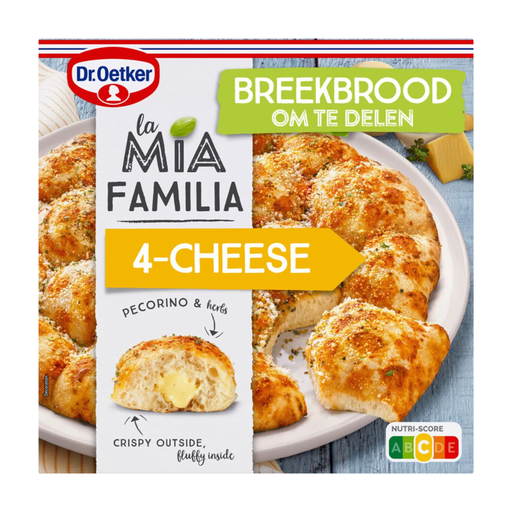 No image available
This tear-and-share bread is an option if you’d like to serve something cheesy alongside your roast instead of ordinary table bread.
Plan the cooking according to the packaging and check the latest allergen information if it’s relevant to anyone eating.
 No image available
This whole loaf is a good fit if you’ll also be using bread after your roast.
This is one 550 g loaf. Follow the instructions on the current packaging when preparing it.
 No image available
Six individual flatbreads offer a different way to serve bread from a whole loaf that you slice yourself.
Check the packaging for information on how to store or serve the flatbreads.
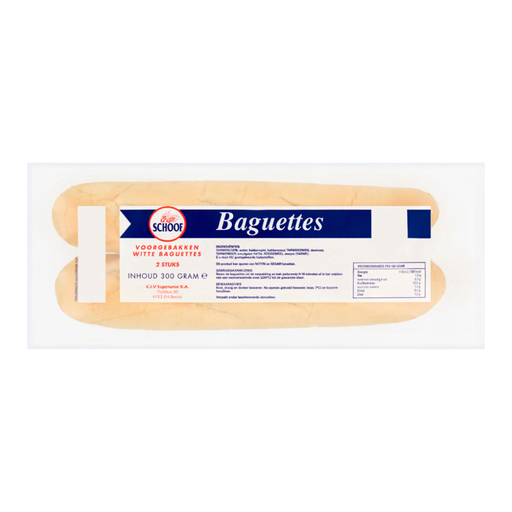 No image available
Two white baguettes are a good option if you want to serve bread in pieces alongside your roast.
The total weight is 300 g. Check the packaging to see whether they need preparing before you plan when to serve them.
Choose half a loaf or individual portions if you only need bread for this meal and are feeding a small group. A whole loaf makes sense if you’ll use the rest too. For opened wholemeal bread, the Voedingscentrum’s storage guide recommends keeping it in a kitchen cupboard for 2–4 days or in the freezer for 1–3 months. Check the storage information for the bread you buy.
Choose bake-at-home bread if you want warm bread just before serving and have enough time and oven space to prepare it. Check the number of pieces and the instructions on the packaging so you can serve the bread at the same time as your roast.
No. Baker’s salt is iodised salt, but the Voedingscentrum says bakers aren’t required to use it. Check the label or ask your baker if you want to know which salt has been used in a particular loaf.
Ask the retailer for allergen information about the bread you want to buy. According to the Netherlands Food and Consumer Product Safety Authority, sellers must inform customers about allergens present. Let them know which allergens are relevant to you.
Check the opening hours and product range at the shop you’re planning to visit. Lidl says its fresh-from-the-oven range can vary between stores, so don’t assume that a particular type of bread will be available everywhere.