Choose a part-baked focaccia if you want to serve warm bread with dips or small dishes. If you’d rather decide on the flavour and toppings yourself, consider ciabatta, flatbread or pinsa. Wholemeal bread is another option if the type of bread matters more to you than the specific style of meal. For each product, check the preparation instructions, quantity and ingredients and allergens on the packaging.
Which bread is right for you?
If you want to share bread at the table
For warm bread to go with dips, antipasti or a selection of small dishes, the key is choosing the right size and a baking time that fits your meal plans. Herb or topped focaccia also has plenty of flavour of its own.
If you want to add your own toppings
With ciabatta, flatbread or pinsa, you can choose the filling, sauce and how you prepare it. First decide whether you’re making rolls, a base for toppings or bread to serve with dips: these styles aren’t interchangeable.
If the label is what matters most
If the type of bread, fibre, salt, allergens or use of baker’s salt determines your choice, compare the information on the exact packaging. According to the Netherlands Nutrition Centre, not all bread is made with baker’s salt.
What should you look for when choosing?
First decide what part the bread will play in your fakeaway: a loaf to share, a base for your own toppings or another type of bread that suits your dietary preferences. Then check that the preparation, packaging and availability fit your plans.
| What to consider |
What to check when buying |
Who it matters to |
| Warm bread to share |
Check the number of pieces and the baking time and temperature for the bread you’ve chosen. |
If I’m serving dips and small dishes, I want bread I can serve warm and share easily. This type of sharing meal is the top priority for around 36% of consumers. |
| Choosing your own toppings and flavour |
Choose a shape that suits your dish and work out how much bread you’ll need. |
When I’m making my own sandwiches or a topped bread base, I want to choose what goes on it. Around 29% of consumers give this freedom top priority. |
| Type of bread and label |
Read the ingredients, allergens and nutritional information; if needed, check whether baker’s salt is listed. |
If the type of bread, salt or allergens determine my choice, I’d rather check the label than judge by how the bread looks. This is the most important consideration for around 21% of consumers. |
| Availability |
Check what’s available at your shop or for your delivery slot, and think about what other type of bread would work with the meal. |
If I’m shopping just before dinner, I need to be able to use whatever bread is available at the time. This matters most to around 14% of consumers. |
Common mistakes
-
Assuming all bread contains baker’s salt
According to the Netherlands Nutrition Centre, the use of baker’s salt is not compulsory. So you can’t automatically treat bread without baker’s salt as the same source of iodine as bread that contains it.
If this matters to your choice, check the label or ask your baker. The Netherlands Nutrition Centre notes that organic bread is often made without baker’s salt.
-
Choosing focaccia without checking the oven instructions
The sourdough focaccia described by Albert Heijn needs 6–8 minutes at 220 °C; PLUS says its focaccia with peppers and olives needs 8–10 minutes at around 180 °C. That difference can matter if you need to cook other dishes in the oven at the same time.
Before choosing a flavour, compare the instructions on the exact product packaging with the time and oven space you have available.
-
Assuming you know a bread’s allergens from its name
A Mediterranean flavour or an unusual name doesn’t tell you for certain which allergens the bread contains. Albert Heijn lists wheat and gluten for the sourdough focaccia reviewed; PLUS also lists milk for the focaccia with peppers and olives reviewed.
Check the ingredients, allergens and any ‘may contain’ warnings on the packaging for each variety.
-
Planning around a specific shop’s bread without a back-up
A range shown online isn’t necessarily the same as what’s available at your local shop. Lidl, for example, says its fresh bread range may vary from shop to shop.
Check what’s available at your shop or for your delivery slot and choose a suitable alternative in advance, such as ciabatta or flatbread if you were planning to serve focaccia.
Brands and shops to consider
Albert Heijn
Worth considering for focaccia, ciabatta and baguettes to serve with dips or your own toppings.
- The product information for the sourdough focaccia reviewed includes details such as its ingredients and preparation.
- Some of the bread varieties shown are only available in store; check availability and the label of the product you choose.
Jumbo
Worth considering for a range of shapes to suit a meal you’re putting together yourself, including focaccia, flatbread and pinsa.
- The category shown includes a range of bread styles, including products from brands other than Jumbo.
- Check the ingredients, preparation and availability at your shop for each product you choose.
PLUS
Worth considering for part-baked focaccia with toppings and other breads to bake at home.
- For the Mediterraneo focaccia reviewed, PLUS provides preparation and allergen information.
- Toppings vary between varieties; check the current packaging if ingredients or allergens affect your choice.
Lidl
Worth considering for oven-fresh bread and bread to bake at home, including ciabatta.
- Lidl describes a 300 g Tastino ciabatta for baking at home.
- According to Lidl, the fresh range may vary from shop to shop.
Bread options on Joybuy
These breads suit different ways of serving a fakeaway: use flatbread and ciabatta as a base for your own toppings, or serve baguettes and a round loaf alongside your meal. Choose according to the shape of bread and quantity you need; if you’re serving it warm, always check the preparation instructions on the packaging.
 Image unavailable
Souq Lebanese wholemeal bread, 6 pieces
A flatbread to serve with dips or top yourself. The pack contains six pieces; check the packaging for how to warm them and check the allergens if they’re important to your choice.
View on Joybuy
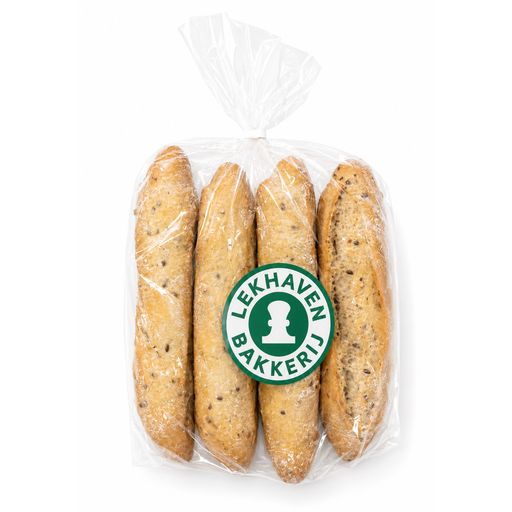 Image unavailable
Lekhaven Bakkerij Multigrain Rustic Baguette, 4 × 135 g
Four individual baguettes for a bread basket to go with several dishes. Allow time to prepare them if you want to serve them warm, and follow the baking instructions on the packaging.
View on Joybuy
 Image unavailable
Lekhaven Bakkerij Whole Wheat Country Round Bread, 550 g
A 550 g wholemeal round loaf for anyone who wants to serve this type of bread with a meal. If you’re serving it warm, allow time to prepare it and follow the instructions on the packaging.
View on Joybuy
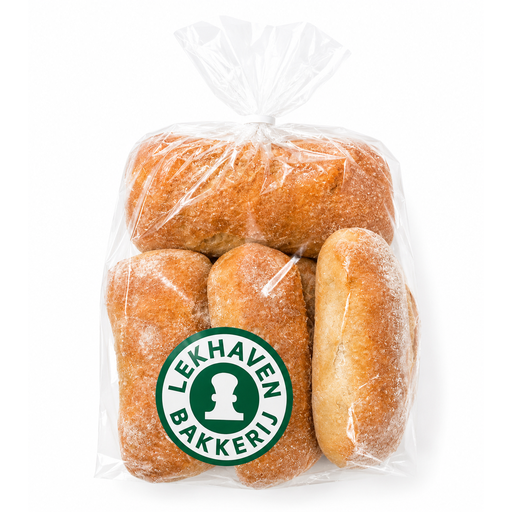 Image unavailable
Lekhaven Bakkerij Natural Rustic Ciabatta, 4 × 135 g
Four ciabatta rolls for your own toppings or to serve as part of a shared meal. Plan the baking according to the packaging so the rolls are ready at the same time as the rest of your meal.
View on Joybuy
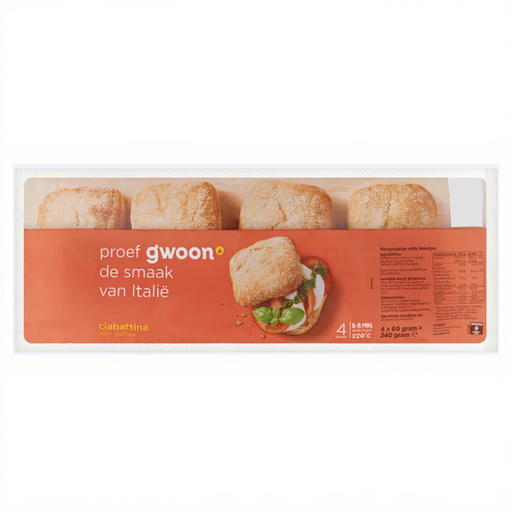 Image unavailable
G'Woon Ciabattina with olive oil, 240 g
A ciabattina with olive oil to top yourself or serve alongside a dish. The pack contains 240 g; check the preparation instructions before warming it, and check the label if you have allergies.
View on Joybuy
Frequently asked questions
Does bread in the Netherlands have to be made with baker’s salt?
No. According to the Netherlands Nutrition Centre, baker’s salt is not compulsory, and you can check the label to see whether it has been used. If this matters to your choice, check the packaging or ask your baker rather than trying to tell from the type of bread.
Which bread should I choose if I don’t have much time to bake it?
Choose bread with instructions that fit the oven time and temperature you have available. For the sourdough focaccia reviewed, Albert Heijn recommends 6–8 minutes at 220 °C, while PLUS recommends 8–10 minutes at around 180 °C for the focaccia with peppers and olives reviewed. Follow the instructions on the product you buy.
What should I look for if gluten or milk is a concern?
Check the allergen information for the exact variety. Albert Heijn lists wheat and gluten for the sourdough focaccia reviewed; according to PLUS, the PLUS focaccia with peppers and olives reviewed also contains milk. Check the packaging for any ‘may contain’ warnings too.
Is the same bread available at every shop?
Don’t assume so: Lidl says its fresh bread range may vary from shop to shop. If your meal depends on a particular type of bread, check what’s available at your shop or for your delivery slot, and have another suitable bread style in mind.


