
If you’re sharing a bread board
For dips, cheese, vegetables and generous toppings, a crusty bread with plenty of texture is a natural choice to share. Rustic sourdough has a different role from a small bread roll for filling.


Choose your bread based on the part it will play in the meal: naan with curry and dips, pita for filling, focaccia alongside Mediterranean dishes and rustic sourdough to share. A striking crust or a long proving time doesn’t automatically make a bread right for your dish. Check the preparation instructions, ingredients and allergens for the variant you choose, too.
For dips, cheese, vegetables and generous toppings, a crusty bread with plenty of texture is a natural choice to share. Rustic sourdough has a different role from a small bread roll for filling.
Let the dish guide your choice: naan to serve with sauce, pita for fillings, and focaccia as a flavourful bread alongside a Mediterranean meal.
Check the exact variant for allergens and nutritional information, such as fibre and salt per 100 g. If the type of salt used matters to you, read the ingredients list or ask the baker.
First decide whether you want to dip, fill or share. Then check whether the bread will be ready in time and whether its ingredients are suitable for your guests.
| What to consider | What to check before buying | Who should consider this? |
|---|---|---|
| Type of bread | Choose between bread for dipping, filling or sharing; with focaccia, consider the toppings or flavourings, too. | If I’m serving curry, I want bread to eat with the sauce; for filled sandwiches, I need pita instead. Around 36% of consumers put choosing the right type of bread first. |
| When you’ll serve it | Read the preparation and storage instructions, and bear in mind how much oven space you have. | I want to serve warm bread without keeping the main course waiting. Having it ready in time is the main concern for around 29% of consumers. |
| Ingredients and allergens | Check the label of the exact variant; if you need gluten-free food, also ask about possible contact with gluten. | If a guest needs to avoid certain ingredients, I need to know which bread I can safely offer. Ingredients and allergens are a priority for around 21% of consumers. |
| Nutritional information | Compare the nutritional values per 100 g and read the ingredients list if the type of salt used matters to you. | As well as comparing flavour, I want to know how much fibre the bread contains and what kind of salt was used. This information matters most to around 14% of consumers. |
Sourdough, naan, pita and focaccia each have a different role. A focaccia with strong-flavoured toppings, for example, isn’t the same kind of side as a roll you want to fill.
Before you buy, decide what you want the bread to do at the table. Then choose the version that appeals to you.
Bake-at-home bread may need oven space that you also need for the main course. Preparation and storage instructions vary by product.
Read the label in advance and plan when the bread needs to go in the oven.
According to the Netherlands Nutrition Centre, bakers in the Netherlands aren’t required to use baker’s salt. The RIVM risk assessment also describes the use of iodised salt as voluntary.
If the type of salt used matters to your dietary choices, check the ingredients on packaged bread or ask the baker.
A name such as naan or focaccia doesn’t tell you which ingredients the variant contains. According to the Netherlands Nutrition Centre, if you’re buying gluten-free bread from a baker, it’s also important to ask whether it may have come into contact with gluten.
Read the current label and, if you need gluten-free food, only choose bread explicitly labelled as gluten-free.
These examples show the types of bread and product details you can compare at these retailers; the characteristics of one loaf don’t necessarily apply to the entire range.
A good place to start if you’re looking for a wholemeal sourdough loaf to share.
Worth considering if you want to buy rustic sourdough in store for a bread board.
A store to consider if you’re looking for freshly baked bread or topped focaccia.
Worth considering if you want to serve naan with curry or dips.
A place to compare naan, pita and focaccia by type and preparation.
Worth considering if you want to compare different types and flavours of naan.
These options focus on naan to serve with curry and dips, and ciabatta as a bread for a meal around the table. First decide what you need the bread for, then check the ingredients and preparation instructions on each pack.
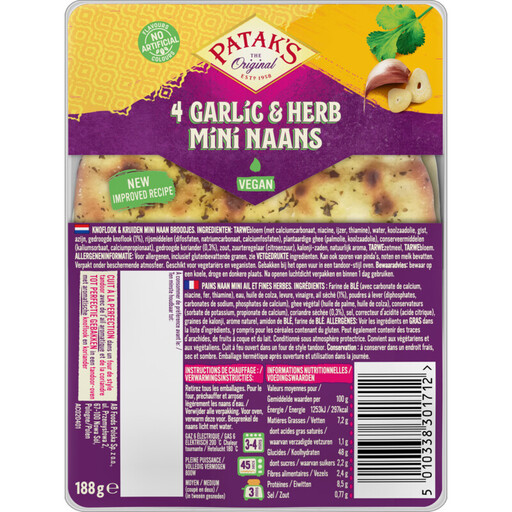 No image available
Mini naan with garlic and herbs, ideal if you want to serve individual breads with curry or dips.
The title states that there are four pieces. If you’re serving guests with allergies, check the current packaging.
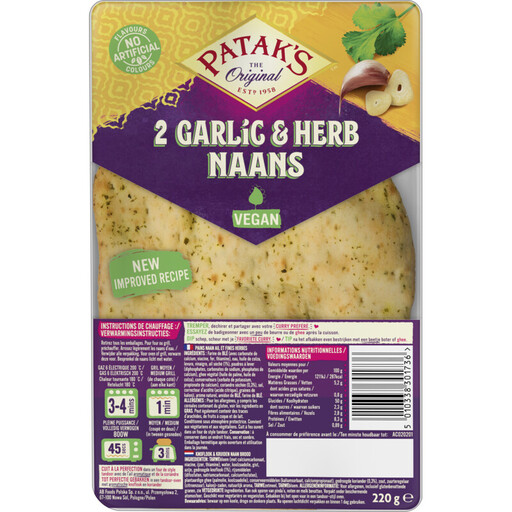 No image available
Naan with garlic and herbs to serve with curry or dips.
The title says there are two pieces, but the product information gives a different quantity, too. Check the pack contents before planning portions, and read the current allergen label.
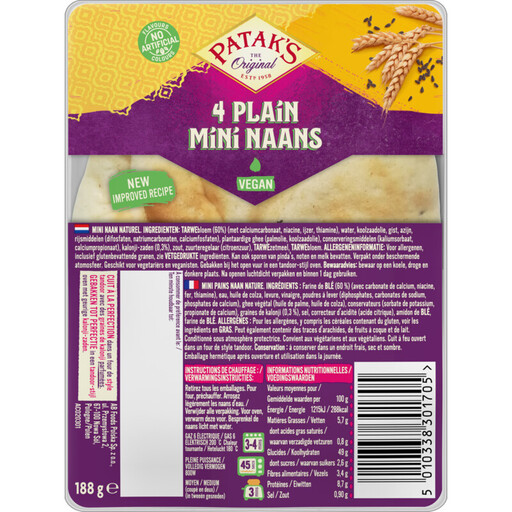 No image available
Plain mini naan for anyone who wants to serve bread without the garlic and herb flavour with curry or dips.
The title states that there are four pieces. Check the preparation instructions and full allergen information on the packaging.
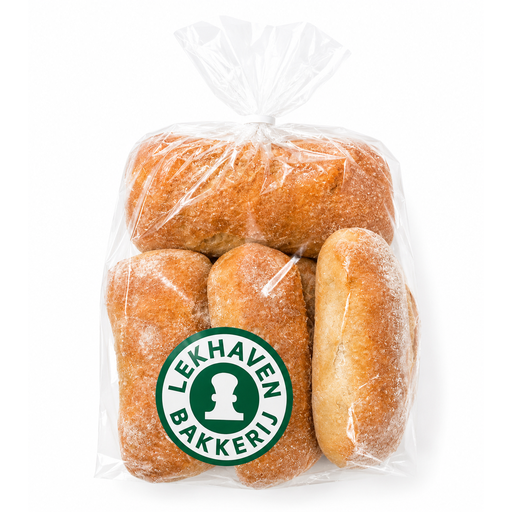 No image available
Four ciabatta rolls for serving with a meal or filling with your choice of toppings.
Allow time to defrost and bake, following the instructions on the packaging. Check the ingredients if the type of salt used matters to you.
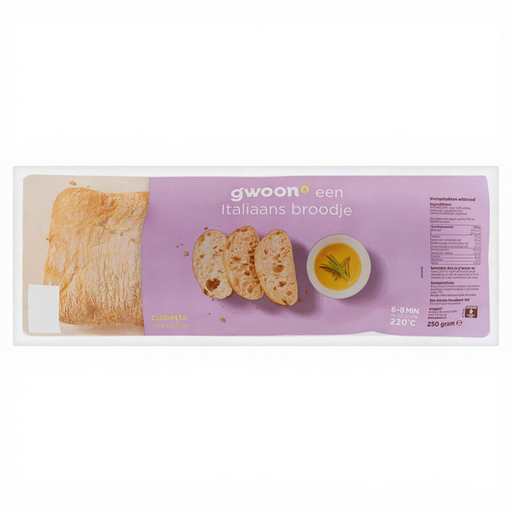 No image available
A 250 g ciabatta to serve with a meal or fill with your choice of toppings.
If you want to serve it warm, check the instructions on the packaging. If you have allergies, read the current label.
Serve naan with curry or dips, choose pita if your guests will be filling their own breads, and consider focaccia or rustic sourdough for a sharing board. Check what flavourings are in or on the focaccia so they work well with the rest of the meal.
Follow the instructions on the exact pack and plan around the oven space you need for your main course. For the naan bread reviewed, PLUS recommends 3–4 minutes in a preheated oven at 200 °C; for the focaccia reviewed, it recommends 8–10 minutes at around 180 °C. Other variants may differ.
No. Don’t assume that every bread contains iodised baker’s salt. According to the Netherlands Nutrition Centre, bakers aren’t required to use baker’s salt. Check the ingredients list or, if you’re buying unpackaged bread, ask what kind of salt has been used.
Don’t choose these breads unless the exact variant is explicitly labelled gluten-free. The Netherlands Nutrition Centre also advises asking bakers whether gluten-free bread may have come into contact with gluten.
No. Sourdough doesn’t tell you whether a bread is wholemeal or how much fibre it contains. To compare, check the type of flour, ingredients and nutritional information per 100 g for the variant you choose.