
Vandaag of morgen in huis

Kwaliteit gegarandeerd

Welkomstaanbiedingen ontgrendelen: GRATIS bezorging | Tot 80% korting | Gratis 30 dagen JoyPlus-proefperiode
Download de app
Looking for a quick lunch or a crispy breakfast? The selection of bread substitutes and crackers is vast. From Swedish crispbread to traditional Dutch rusks, the choice can be overwhelming. Unfortunately, attractive packaging and vague health claims often lead to a poor choice. Many products seem like a sensible option, but on closer inspection, they are not.
As a Joybuy Product Recommendation Officer, I'm here to help you make the right choices. We'll look beyond the marketing and focus on what really matters. Here are the most common pitfalls and how to avoid them.
To make a good choice, it's helpful to check a few specifications on the packaging. This helps you compare products objectively.
A product can be called whole grain if the flour is made from the entire grain kernel. This is important because the outer layer of the kernel (the bran) contains the most fibre, vitamins, and minerals. Fibre contributes to a feeling of fullness.
high-fibre rusk or whole grain crackers is a good foundation for a nutritious meal.Many people choose a healthy bread substitute to limit their salt or sugar intake. Ironically, some types of crackers and rusks can contain high amounts of both.
The base of the cracker determines its flavour and texture. Rye (as found in many Wasa crispbreads) provides a firm, earthy flavour. Wheat is often lighter and more neutral. Additives like sesame crispbread or multigrain rusks not only provide extra flavour and a crispy bite but also add nutrients.
Not everyone has the same needs. That's why we've matched some popular choices to different user profiles.

Why This Fits Their Persona: Ideal for those who consciously choose a nutritious base. These rusks are made from 100% whole grain and enriched with seeds and bran, providing a firm bite and a long-lasting feeling of fullness.
This product bypasses the "healthy" pitfall. The "high-fibre" claim is backed by its nutritional values: 10 grams of fibre and 17 grams of protein per 100 grams. The main ingredient is whole wheat flour.
High in fibre and protein. Made with 100% whole grain flour and sprinkled with oat flakes and seeds for extra texture and flavour.
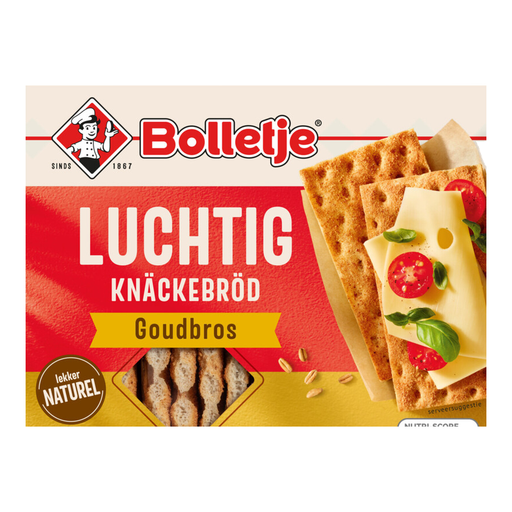
Why This Fits Their Persona: Perfect for those looking for a light, crispy base for lunch. These `light crackers` are easy to top and don't feel heavy, making them ideal for a quick meal at the office or at home.
This product debunks the "light cracker" myth. Although it's airy, it provides a solid 7.7 grams of fibre per 100 grams, unlike crackers that are mostly air.
Extra airy and crispy texture. Suitable for both breakfast and as `crackers for lunch`. Relatively low in sugar (1.6 g per 100 g).

Why This Fits Their Persona: For those who love the authentic, robust flavour of Scandinavian `crispbread`. Its sturdy structure makes it ideal for generous toppings, from cheese to salmon, without breaking or becoming soggy.
This product is simplicity itself, avoiding all marketing traps. The ingredients list is short and clear: whole rye flour, rye bran, salt, and yeast. No hidden sugars or unnecessary additives.
Made from whole grain rye, which is a source of fibre. Very low in sugar (1.5 g per 100 g) and has a firm, crispy texture.
We've compiled a complete, up-to-date list of products that meet these selection criteria. Find the cracker or rusk that's right for you.
Although both are crispy bread substitutes, there are clear differences. Crispbread (kn?ckebr?d) originates from Scandinavia, is baked briefly at a high temperature, making it very dry with a long shelf life. It is often made from rye flour. Dutch rusks (beschuit) are a traditional Dutch product that is baked twice (first as a small bun, then sliced and baked again). This makes them lighter and more brittle. Bolletje rusks also often contain egg and sugar, giving them a slightly sweeter taste.
The biggest enemy of crispiness is moisture. Store opened packages in a well-sealed tin or airtight container. The original packaging is often not airtight once opened. Place the container in a dry, dark place, like a kitchen cupboard, and not near a kettle or stove.
Whole grain is an excellent start because it guarantees the entire grain kernel has been used, which provides more fibre, vitamins, and minerals. However, the "whole grain" label says nothing about the amount of added salt or sugar. A healthy bread substitute is a product that is not only whole grain but also low in salt and sugar. It's therefore still important to check the nutrition facts panel for a complete picture.
