
Students who often have bread as a meal
You eat bread several days a week and want to choose a pack that matches what you’ll actually get through. So compare the weight and size of the individual loaves, not just the packaging.


Wholemeal bread is a practical starting point for a simple student dinner, especially if you also want to consider the nutritional information. Above all, choose a size you can finish in time: a half loaf may suit you if you don’t eat at home often, while you can freeze a whole loaf in portions as soon as you buy it if you have the space.
You eat bread several days a week and want to choose a pack that matches what you’ll actually get through. So compare the weight and size of the individual loaves, not just the packaging.
You’re looking for bread explicitly labelled as wholemeal, with nutritional information you can check. The Voedingscentrum describes wholemeal bread as high in fibre, vitamins and minerals.
You want to avoid leaving a whole loaf uneaten. A half loaf or portions kept in the freezer may fit your eating habits better. The Voedingscentrum recommends freezing bread in portions as soon as you buy it, if needed.
First, work out roughly how much bread you’re likely to eat. Then check the product description and nutritional information, and consider how you can store or prepare the bread.
| What to consider | What should you check? | Who is this most important for? |
|---|---|---|
| A suitable size | Check the weight and whether you’re buying a half or a whole loaf. | If I eat bread often, I want a size that suits my meals without leaving portions unused. This is the main consideration for around 36% of consumers. |
| Wholemeal and fibre | Read the product description and compare fibre on the same basis, for example per 100 g. | If I eat bread every day, I want to be able to check whether the product is wholemeal and what the nutritional information says. Around 29% of consumers make this their first priority. |
| Storage without waste | Check the storage instructions and consider whether you can freeze portions straight away. | I don’t eat at home every day and want to stop the bread going stale before I’ve finished it. This is the main consideration for around 21% of consumers. |
| Ready to eat or bake at home | Check whether the bread is ready to eat or needs an oven and preparation time. | If I’m short on time, I want to know whether the bread can go straight on the table or needs preparing first. Around 14% of consumers put convenience first. |
A smaller pack contains less bread. So the number of packs alone won’t tell you how many meals you can make.
Check the weight and estimate how many portions you’ll use before storing or freezing the rest.
Those words alone don’t confirm that a particular loaf is wholemeal.
Read the product description and ingredients, and check the nutritional information, including fibre per 100 g.
If you don’t eat at home often, some of the bread may go stale before you get to it. The Voedingscentrum also notes that bread may become drier if it’s frozen for a long time.
Choose a half loaf, or freeze a whole loaf in individual portions as soon as you buy it, following the storage instructions.
Ingredients and allergens can vary from one product to another, so the information for a similar loaf is no substitute for the details on the pack you’re buying.
Check the current allergen information for the specific loaf, and ask for product information if you’re buying unpackaged bread.
Worth considering if you want to compare different types of bread, including wholemeal and sourdough.
Worth considering if you want to check the nutritional and allergen information for a particular fine wholemeal loaf.
Worth considering if you want to browse freshly baked and pre-packed bread in store.
Worth considering if you want to compare half and whole fine wholemeal loaves.
Worth considering if you want to assess a wholemeal loaf by its product description, nutritional information and storage details.
Worth considering if you want to browse wholemeal loaves and half loaves with extra fibre.
These options include wholemeal flatbread, rye bread and a round loaf to bake at home. For your student dinner, focus on the size, how it’s prepared and what you can store.
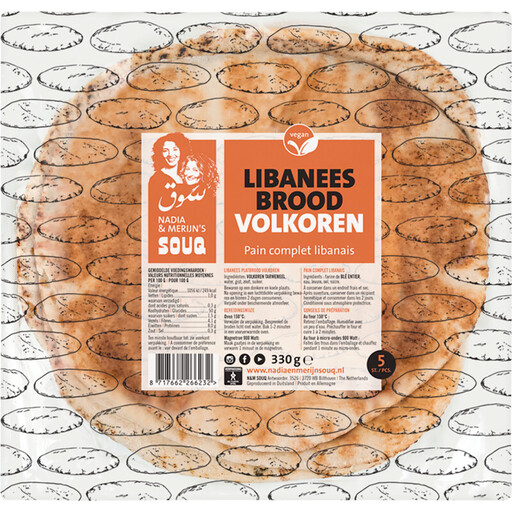 Image unavailable
A flatbread option for a simple meal; the pack contains six pieces.
Check the storage instructions after opening if you want to spread the bread over several meals.
 Image unavailable
A rye bread option if you want to spread the pack over several meals; the product name specifies nine pieces.
Check the preparation instructions on the pack before buying.
 Image unavailable
A rye bread option with a listed weight of 500 g, so you can choose a size that suits your eating habits.
Check the product’s form on the pack: the name and description refer to it differently.
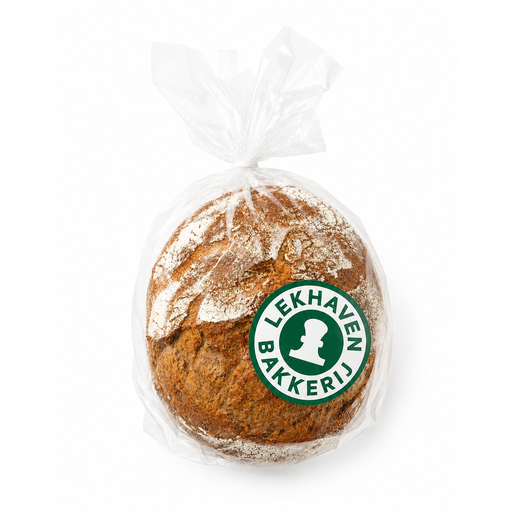 Image unavailable
A 550 g round loaf for a meal you can plan around baking it at home.
To prepare it, you’ll need to defrost it and use a fan oven; check the instructions on the pack.
A half loaf is a better fit if you won’t finish a whole loaf in time and don’t want to freeze portions. Think about when you eat bread and the loaf’s weight. If you do freeze bread, you can also divide a whole loaf into portions as soon as you buy it.
No, those descriptions alone don’t confirm that it is. Check the product description and ingredients for the specific loaf, and compare fibre on the same basis, such as per 100 g.
If needed, freeze it in portions as soon as you buy it, as recommended by the Voedingscentrum. For opened wholemeal bread, the Voedingscentrum recommends keeping it in a kitchen cupboard for 2–4 days or in the freezer for 1–3 months; it may become drier if frozen for longer. Follow the instructions on the pack too.
No, you can’t assume that for every loaf. The Netherlands Food and Consumer Product Safety Authority explains that iodine compounds may only be present in bread through the addition of baker’s salt. Check the ingredients for the specific product.
Check the current allergen information for the specific loaf. The Voedingscentrum explains that the most common allergens must be listed; ask for the relevant product information if you’re buying unpackaged bread.