
Choosing for one evening
You want to choose bread for snack night without comparing a whole loaf directly with a bag of rolls. Look at the type of bread, its weight and the number of pieces.


For a snack night, start by comparing breads of the same type and a similar weight: a whole loaf, a half loaf and a bag of rolls won’t necessarily meet the same needs. If you want to use up any leftovers, choose bread that will also work for later meals; for the evening itself, consider your preferred texture and how many people you’re feeding. Check the ingredients, allergens and storage instructions on the packaging.
You want to choose bread for snack night without comparing a whole loaf directly with a bag of rolls. Look at the type of bread, its weight and the number of pieces.
You’re looking for an amount that suits the number of people eating and want to know whether any leftover bread can be stored or frozen. Follow the instructions for the specific product.
You want bread that works for other meals too, but for snack night, the texture you’re after matters. Check the product description and compare nutritional information on the same basis.
First, work out how much bread you’ll use. Then choose the type of bread you want and check what you can do with any leftovers.
| What to consider | What to check when buying | Who is this important to? |
|---|---|---|
| Comparable quantities | Compare whole loaves of the same type and a similar weight; for rolls, check the number of pieces too. | When I’m choosing bread for one evening, I want to know which packs are genuinely comparable. Around 46% of consumers would put this comparison first. |
| Bread for later | Read the product description and compare fibre per 100 g if nutritional value matters to your choice; colour alone doesn’t tell you whether bread is wholemeal. | I want the bread to work for future meals too, not just tonight’s snacks. This would be the first consideration for around 27% of consumers. |
| Texture and using up leftovers | Choose a whole loaf, half loaf or rolls to suit the number of people eating, and read the product’s storage and freezing instructions. | I’m looking for bread that goes well with the meal, but I don’t want portions left unused. Around 27% of consumers would give this combination priority. |
The colour doesn’t tell you whether bread is made from white flour, flour or wholemeal flour.
Read the product description and ingredients. Only compare fibre values when they’re based on the same quantity.
If you’re having a small snack night, some of the loaf may be left over and go unused.
Choose a number of pieces that suits the people eating. If you want to keep the bread, follow the storage or freezing instructions on the packaging.
Albert Heijn and PLUS point out that product information can change. This is especially important if you’re checking ingredients or allergens.
Check the current packaging of the bread you buy.
These brands offer different types of bread and pack sizes. Always compare the specific product that suits your meal.
Albert Heijn offers products including AH Wit heel, with online product information about nutritional value, allergens and freezing.
Jumbo’s bread and bakery range includes loaves, bake-at-home bread and rolls.
Lidl’s bread range includes products such as tiger wholemeal artisan loaf.
ALDI’s freshly baked daily range includes whole and half loaves, rolls and wholemeal options.
PLUS has product pages for wholemeal loaves, with details of ingredients, nutritional information and storage advice.
Dirk offers products including whole and half wholemeal loaves and rolls, including products from Bakker van der Akker.
This selection includes whole loaves and rolls for snack night or a later meal. First choose the type and quantity of bread you need, then check the label and any preparation instructions for each product.
 Image unavailable
A round loaf for anyone who wants to enjoy one loaf over the evening and at later meals.
The product name states 550 g. Check the preparation and storage instructions on the packaging before serving or storing it.
 Image unavailable
Four individual rolls give you a set amount that you can match to the number of people eating.
The product name describes them as multigrain rolls; check the ingredients and any allergens on the packaging.
 Image unavailable
A round multigrain loaf for anyone who wants a whole loaf to enjoy in the evening and possibly later too.
The product name states 550 g. Read the preparation instructions on the packaging and check the ingredients if allergens are important to your choice.
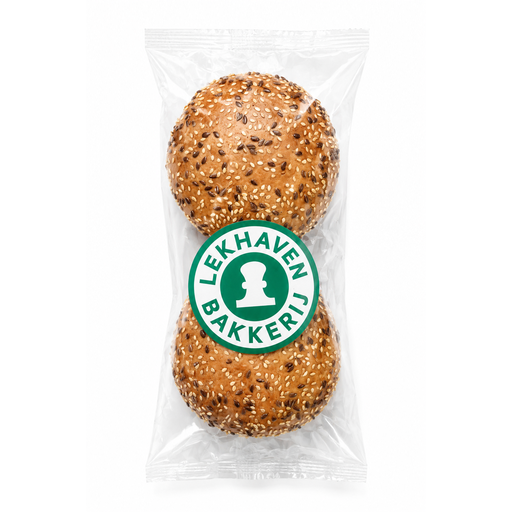 Image unavailable
Two burger buns are ideal for a meal where you want this particular type of bread rather than a whole loaf.
The product name states two pieces of 50 g each. Check the preparation instructions and allergens on the packaging.
 Image unavailable
This rye bread product is different from the multigrain and burger rolls above; choose it if this type of bread suits your meal.
The product name states 500 g. Read the ingredients and nutritional information on the packaging if you’re comparing it with other bread.
No. The colour doesn’t tell you whether bread is made from white flour, flour or wholemeal flour. If you’re specifically looking for wholemeal bread, check the product description and ingredients.
You can if the instructions for that particular bread allow it. For PLUS Volkoren tijger heel, PLUS says you can freeze it at home on the day you buy it and use it within one month; for other bread, follow the instructions on its packaging.
Check the allergen information for the bread you’re actually buying, as it varies by product. The product information for PLUS Volkoren tijger heel and AH Wit heel lists different ingredients and potential allergens, so the packaging for one isn’t a substitute for checking the other.
No. The cited guidance from the Netherlands Food and Consumer Product Safety Authority doesn’t mean that every loaf contains iodised baker’s salt. To find out what a particular bread contains, check the ingredients on the packaging.