
The sharing-board planner
You want to slice or toast the bread yourself and pair it with dips, cheese, vegetables or other toppings. Sourdough and ciabatta let you choose your own combinations.


Choose sourdough, crusty bread or ciabatta if you want to pair it with your own dips and toppings. Filled sharing bread means less preparation, but its set filling may not suit everyone. Focaccia, pinsa or part-baked ciabattina are good options if you want to warm the bread just before serving. Check the ingredients, allergens, preparation method and storage instructions for each product: a premium look alone tells you nothing about these.
You want to slice or toast the bread yourself and pair it with dips, cheese, vegetables or other toppings. Sourdough and ciabatta let you choose your own combinations.
You’re looking for a warm, savoury bite without having to put together the toppings yourself. With filled sharing bread, check that the set ingredients suit your guests and find out how to prepare and store it.
You want to check the bread’s ingredients and allergens before buying. Read the label on packaged bread, and ask for allergen information if the bread is sold loose.
First decide what role the bread will play: a base for your own toppings, a filled bite, or warm pieces you bake just before your get-together. For shoppers choosing bread to serve with drinks, the next things to consider depend mainly on what matters most to them.
| What to consider | What to check before buying | Who it matters to |
|---|---|---|
| Flavour and pairings | Check whether the bread already contains flavourings or a filling, and whether you want to slice or top it yourself. | If I’m serving a variety of dips and toppings, I want bread that goes with them without deciding the combinations in advance. For around 37% of shoppers, that flexibility matters most. |
| Preparation | Read the preparation instructions and check whether you’ll need to defrost it or use an oven or air fryer. | When the guests are nearly here, I want to know whether warm bread will fit into my schedule. Around 27% of shoppers prioritise convenience when serving. |
| Ingredients and allergens | Read the ingredients and allergen information; ask for details if the bread is sold loose. Look for iodised salt or baker’s salt if that’s relevant to your choice. | If I’m buying for guests with dietary requirements or allergies, I need to be able to check what’s in the bread. For around 18% of shoppers, this is the main consideration. |
| Quantity and storage | Compare the pack weight with the amount you want to serve, and check the storage instructions and whether it can be frozen. | For a small get-together, I don’t want to be left with more bread than I can use or store. Around 18% of shoppers give suitable portion sizes top priority. |
An appealing filling or topping doesn’t tell you whether the bread is suitable for someone’s dietary requirements or allergies. Filled bread, for example, may contain ingredients a guest wants or needs to avoid.
Check the ingredients and allergen information on packaged bread. If the bread is sold loose, ask about allergens before buying.
Part-baked products may require different oven settings and cooking times, and sometimes need to be defrosted first. This could mean the bread is ready later than the rest of your food.
Read the instructions before you buy and make sure they suit the oven or air fryer you have available. PLUS, for example, recommends baking its ciabattina for 6–8 minutes in an oven at 220 °C; don’t assume the same timings will work for another product.
A whole loaf may be more than you’ll use during a get-together with a small group.
Choose an appropriate amount and check whether the bread can be frozen. The Netherlands Nutrition Centre advises freezing wholemeal bread in portions as soon as you buy it.
According to the Dutch government, baker’s salt is iodised table salt. That doesn’t mean every sourdough, organic or premium loaf is made with baker’s salt.
For packaged bread, check whether iodised salt or baker’s salt is listed in the ingredients; if it’s sold loose, ask the seller.
The Liefde & Passie range is worth considering if you’re looking for a sourdough loaf as a base for your own toppings.
An online supermarket where you can put together your shopping for a get-together.
Worth considering if you’re looking for freshly baked or part-baked bread for a get-together in store.
An option to consider if you’re looking at focaccia, pinsa or crusty loaves for a sharing board.
Worth considering for ciabatta as a base for your own toppings, or ciabattina that you bake before serving.
A shop to consider if you’re looking for pinsa to serve with drinks.
These Joybuy products are ciabatta or ciabattina for a get-together with dips and toppings of your choice. Choose a pack size to suit your group, and check how you’d like to serve each product.
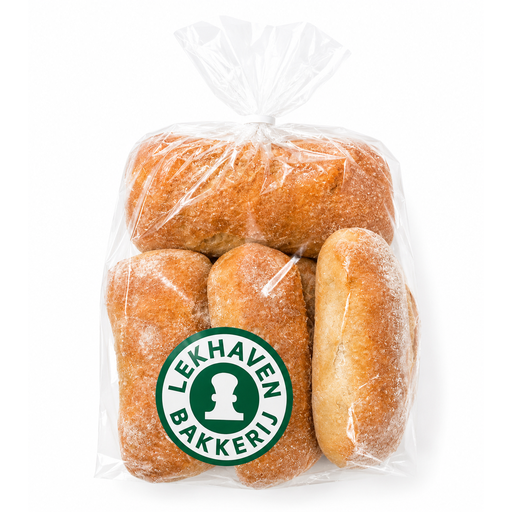 Image unavailable
For serving bread with your own dips or toppings at a get-together.
Pack of four 135 g ciabattas. Check the baking instructions and allergen information on the pack.
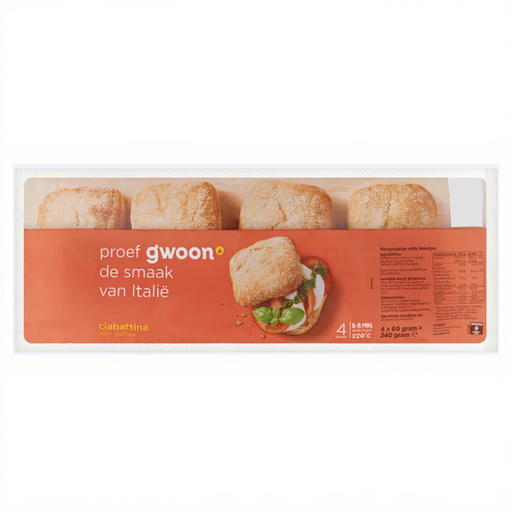 Image unavailable
A ciabattina for pairing with toppings of your choice.
The product name mentions olive oil and a 240 g pack. If you want to serve it warm, check the preparation instructions on the pack.
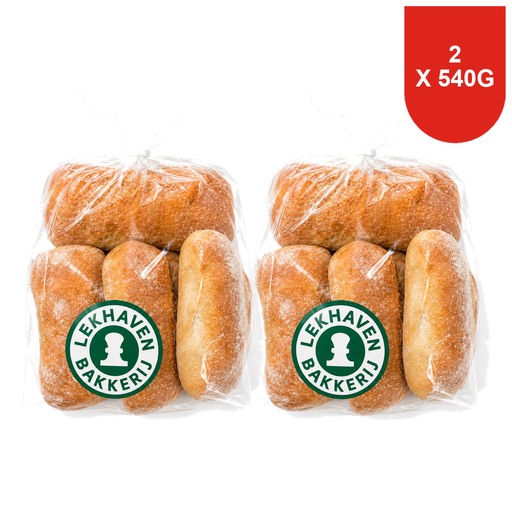 Image unavailable
For a get-together where you want to serve more ciabatta with toppings of your choice.
Two packs of four 135 g ciabattas. Check that the quantity suits your needs and read the baking instructions on the pack.
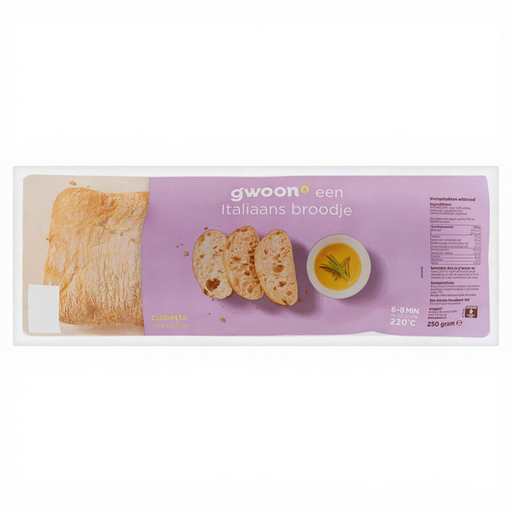 Image unavailable
A ciabatta to pair with your own dips or toppings on a sharing board.
250 g pack. Check the ingredients and any instructions on the pack if you want to serve the bread warm.
Choose sourdough or ciabatta if you want to pick the dips and toppings yourself; filled sharing bread is a good choice if you’d rather serve a warm, ready-made bite. For filled bread, check that the ingredients suit your guests and read the preparation and storage instructions. If you want to bake bread just before serving, you could also consider focaccia, pinsa or ciabattina.
For packaged bread, check whether iodised salt or baker’s salt is listed in the ingredients, and ask if the bread is sold loose. According to the Dutch government, baker’s salt is iodised table salt; the name or appearance of a loaf won’t tell you which salt it contains.
For packaged bread, read the ingredients list and allergen information. The Netherlands Food and Consumer Product Safety Authority explains that 14 allergens must be declared on labels. If the bread is sold loose, ask for allergen information before buying and discuss any concerns about cross-contamination with the seller.
First follow the storage instructions for the product you’ve chosen; these are particularly important for filled or chilled bread. For wholemeal bread, the Netherlands Nutrition Centre advises freezing it in portions as soon as you buy it, so you only defrost what you need.