
Lunch-makers who want to share bread
A whole rustic loaf or baguettes can take centre stage at a lunch shared with others. Choose a bread shape that suits how you want to slice, top and serve it.


To make bread a centrepiece of your school-holiday lunch, choose a rustic loaf or baguettes in a quantity that suits the number of people eating. If fibre is your priority, check that the bread is genuinely wholemeal. If you want to serve it warm, take the preparation instructions and available oven space into account. Whatever you choose, check the latest allergen information and don't buy more than you can use or store.
A whole rustic loaf or baguettes can take centre stage at a lunch shared with others. Choose a bread shape that suits how you want to slice, top and serve it.
You can look for wholemeal bread or rolls for a special lunch too. Check the product description and, if you wish, compare the fibre per 100 g for packaged options.
With bake-at-home bread, your planned lunchtime determines when you need to start. Check the preparation instructions, the number of rolls and the space in your oven beforehand.
First, decide what matters most for this lunch: presentation, a wholemeal base, serving the bread warm, or checking the ingredients and allergens. Checking the latter is important whatever your reason for choosing a particular bread.
| What to consider | What to check when buying | Who it's important for |
|---|---|---|
| Flavour and presentation | Choose a whole loaf or individual baguettes to suit the number of people eating and the way you plan to serve them. | I want to be able to share the bread and put it on the table as part of the lunch. Around 31% of consumers prioritise flavour and presentation. |
| Wholemeal and fibre | Look for the word wholemeal and check the ingredients. Compare fibre per 100 g between similar packaged loaves. | I don't want a special lunch to be a reason to give up my preference for wholemeal. Around 23% of consumers give wholemeal their highest priority. |
| Serving it warm | Read the preparation instructions and count how many loaves or rolls will fit in the oven at once. | I want to put warm bread on the table when everyone sits down to lunch, but I need to plan the baking. Around 31% of consumers prioritise serving bread warm. |
| Ingredients and allergens | Read the latest label or ask for allergen information if the bread is sold loose; don't rely on the bread's name alone. | If someone at the table needs to watch what they eat or avoid certain allergens, I want to know which bread is suitable before I buy it. For around 15% of consumers, this check is their top priority when buying. |
A dark colour, seeds or the word sourdough in the name don't confirm that a bread is wholemeal. As a result, it may not be what you expect when choosing wholemeal bread.
Look for the word wholemeal in the product information and check the ingredients list.
Bake-at-home bread needs to be prepared shortly before lunch. A pack with more rolls than you need can also leave you with leftovers.
Before buying, check the preparation instructions, the number of items in the pack and whether they will all fit in your oven at once.
Sourdough, spelt and multigrain breads can contain gluten-containing cereals or other allergens. The Netherlands Food and Consumer Product Safety Authority says that allergen information for prepacked bread is shown on the label; for unpackaged bread, the information must be available in another way.
Read the latest information on the packaging or, if the bread is sold loose, ask about it before buying.
Jumbo says its rustic sourdough loaves, baked in store, can't be ordered online. The range of bread may also vary between stores.
Check availability at the store where you plan to shop. If a store visit doesn't fit your schedule, choose another type of bread in good time.
These supermarket chains offer a range of breads to help you explore your options. Check the specific product and its availability at the store where you shop.
A place to compare bread, bake-at-home bread and speciality ranges.
Worth considering if you want to compare rustic sourdough with wholemeal bread and rolls.
Worth considering if you're looking for freshly baked in-store bread or bake-at-home bread.
Worth considering when comparing fresh in-store bread, rustic loaves and rolls to bake at home.
Worth considering if you want to assess wholemeal bake-at-home rolls using the product information.
Worth considering if you want to compare fresh bread with pistolets, baguettes and other bake-at-home bread.
These breads are suited to a lunch where you're looking for a whole round loaf or individual baguettes. The product names distinguish a wholemeal option from rustic varieties. Also check the preparation instructions and allergen information for the bread you choose.
 Image unavailable
A whole round wholemeal loaf for a lunch where you want to slice and share the bread at the table.
Weight: 550 g. Check the latest packaging for the preparation instructions and allergen information before planning your lunch.
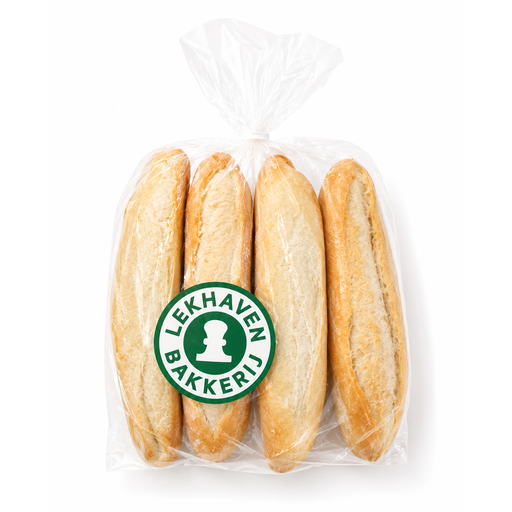 Image unavailable
Individual rustic baguettes for a lunch where you can choose the number of pieces to suit the people eating.
Four 135 g baguettes. If you want to bake them, follow the instructions on the packaging and check the latest allergen information.
 Image unavailable
Multigrain baguettes for anyone who wants to put individual loaves on the table. Multigrain doesn't automatically mean wholemeal.
Four 135 g baguettes. Before baking, check the latest preparation instructions and read the allergen information on the packaging.
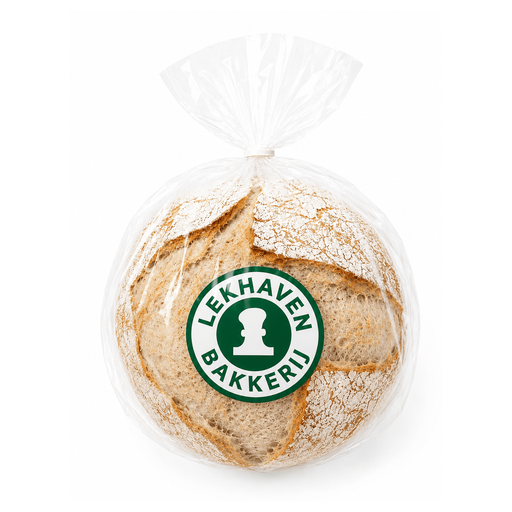 Image unavailable
A whole round rustic loaf for a shared lunch where you can slice or break it up yourself.
Weight: 550 g. Check the latest packaging for the preparation instructions and allergen information; don't assume that rustic means wholemeal.
No. Sourdough describes how the bread is made; it doesn't tell you whether it's wholemeal. If you prefer wholemeal, look for that description and check the ingredients of the bread you choose.
Choose bread that's ready to serve if you don't want to bake just before lunch. Bake-at-home bread is a good option if you want to serve it warm and have the time and oven space. Follow the instructions for the specific product.
Work out how much you need based on the number of people eating, and freeze any bread you won't use soon. The Netherlands Nutrition Centre recommends storing wholemeal bread for 2–4 days in a kitchen cupboard and 1–3 months in the freezer. Follow the storage advice on the packaging too.
Ask for allergen information before buying if it isn't clearly displayed. The Netherlands Food and Consumer Product Safety Authority says that information for unpackaged products must be available in a way other than a label on the packaging.
No, don't assume that every loaf contains iodised salt. Check the ingredients list on packaged bread, or ask which ingredients are used for unpackaged bread if this matters to your choice.