
The traveller who plans meals in advance
You’re taking bread for several stops and want to choose a pack you’re likely to finish. Think ahead about how many people will be eating and whether you’ll be able to make sandwiches on the way.


Take a whole loaf if you want to make sandwiches for several people and meal stops. Individual rolls are easier to hand out at a stop; crispbread works well as a dry store-cupboard option, while bake-at-home bread is best for a stay where you can prepare it. Match the quantity to what you’ll use, and keep perishable fillings chilled.
You’re taking bread for several stops and want to choose a pack you’re likely to finish. Think ahead about how many people will be eating and whether you’ll be able to make sandwiches on the way.
You don’t want to slice bread during a stop. Individual rolls are easy to hand out, while crispbread is a dry option. Bake-at-home bread needs suitable cooking equipment at your destination.
Before setting off, you check whether a product is wholemeal and which allergens it contains. If you’re looking specifically for bread with iodised salt, check the ingredients too: according to the Netherlands Nutrition Centre, bread doesn’t have to be baked with baker’s salt.
First decide whether you want to eat the bread during the journey or prepare it at your destination. Then work out how much you need and check the packaging and ingredients for your trip.
Choose this if: you want to make sandwiches for several people and meal stops.
Bear in mind: you’ll need to portion and store the bread; freeze portions before you leave if you’ll only use them later.
Choose this if: everyone travelling with you wants their own portion without having to slice bread on the way.
Bear in mind: the number of rolls in the pack needs to match the planned meal stops.
Choose this if: you want to eat the bread at your destination and can use the oven or air fryer there.
Bear in mind: the bread needs time to bake, so it isn’t a ready-to-eat snack for the car unless you bake it in advance.
Choose this if: you want to take a dry, compact bread option with you.
Bear in mind: crispbread can break and makes a different snack from a soft sandwich.
| What to consider | What to check | Who it matters to |
|---|---|---|
| Quantity and leftovers | Compare the weight or number of pieces with the number of travellers and planned meal stops. | I want to take bread for several stops without coming home with an unused pack. Around 36% of consumers say reducing leftovers is their top priority. |
| Portions without slicing | Check how many pieces there are and whether the bread needs baking before you can eat it. | At a short stop, I want to be able to give everyone their own portion quickly. For around 29% of consumers, convenience comes first. |
| Ingredients and labelling | Check the ingredients for wholemeal flour and iodised salt; if you have allergies, check the allergen information. | Before setting off, I want to know whether the bread suits my preference for wholemeal or avoids ingredients I need to steer clear of. Checking the label is the main concern for around 21% of consumers. |
| Storage and fillings | Check the storage instructions and make sure you can keep perishable fillings chilled. | Without a fridge during the journey, I want to keep the bread fresh and transport perishable fillings safely. Around 14% of consumers put storage and chilling first. |
A whole loaf, a bag of rolls and bake-at-home bread all contain different quantities. A large pack isn’t much help if you’ll only use some of it during the trip.
Count the travellers and meal stops, then choose a quantity to suit. Freeze bread in portions beforehand if you’ll only need it later.
A sealed lunch box on its own isn’t enough for fillings that need to stay chilled. The Netherlands Nutrition Centre recommends using a cool box for perishable foods when camping.
Take a cool box with ice packs, buy chilled fillings last, and pack only the quantity you’ll use in time.
A cool box and ice packs take up space in the car and need some preparation.
The name doesn’t always tell you which grains or allergens the product contains. The Netherlands Nutrition Centre also says that bread doesn’t have to be baked with baker’s salt.
Read the ingredients list if you’re looking for wholemeal flour or iodised salt. If you have allergies, check the allergen information on the label.
Crispbread is dry and can break, while bake-at-home bread needs to be prepared. Neither is eaten in the same way as a soft sandwich with a filling.
Pack crispbread so it won’t get crushed. Only choose bake-at-home bread if you’ll prepare it in advance or have the right equipment at your destination.
These examples show the product information you can compare across different types of bread. Always check the packaging and product details for the bread you choose to buy.
Albert Heijn provides an ingredients list and nutritional information for one of its own-brand wholemeal loaves.
Jumbo offers a range of own-brand wholemeal loaves, including whole and half loaves.
Lidl Netherlands lists a 250 g wholemeal crispbread as a store product.
ALDI Netherlands describes a wholemeal loaf, among other products, as well as a variety named Extra High-Fibre Wholemeal Bread.
PLUS lists both wholemeal loaves and wholemeal bake-at-home rolls and multigrain baguettes.
Dirk lists products including wholemeal rolls under the Bakker van der Akker brand.
These products include shareable bread, rolls and dry bread products for different meal stops on the way. Choose based on the type of bread and pack size; if you have specific ingredient requirements, check the product label.
 No image available
A pack of six pieces to share between your fellow travellers. If they’re important to your choice, check the ingredients and allergens on the packaging.
 No image available
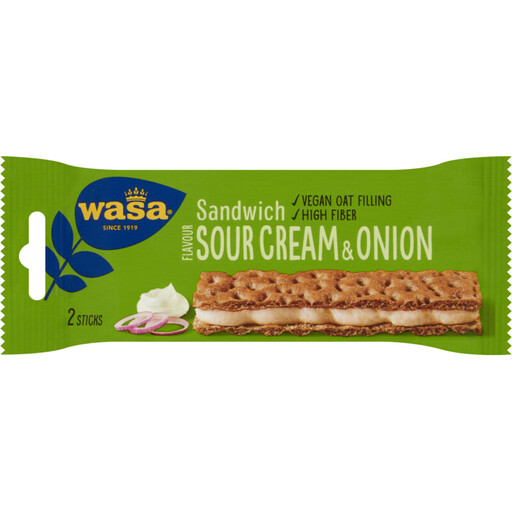
A sandwich-style product in a 99 g pack for anyone looking to take an individual bread snack along. If you have a food allergy, check the ingredients and allergen information.
 No image available
Rusks are a different type of bread from a soft sandwich and can be a good choice for a dry snack on the way. This pack contains 13 pieces; protect the rusks from breaking.
 No image available
A dry type of bread for anyone who’d rather take crispbread than soft rolls. The pack contains 375 g; check the ingredients if you need to avoid certain grains or allergens.
 No image available
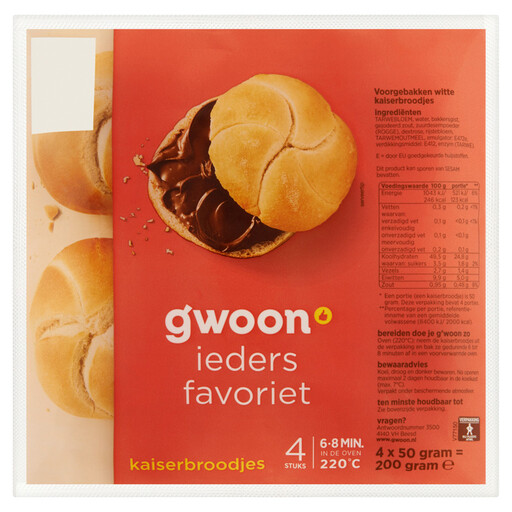
Four individual rolls are easy to share without slicing a whole loaf. The pack contains 200 g; check the preparation and ingredient information before packing them as a snack for the journey.
You don’t normally need to keep ordinary bread in the fridge. The Netherlands Nutrition Centre says that opened bread keeps for 2 to 4 days in a kitchen cupboard and for a month in the freezer. Freeze portions in advance if you’ll only need them later, and follow the instructions on the packaging.
Keep perishable fillings chilled in a cool box with ice packs, or use an electric cool box. The Netherlands Nutrition Centre advises keeping perishable foods in a cool box for no more than one day when camping. Buy them last and take small quantities.
No. According to the Netherlands Nutrition Centre, bread doesn’t have to be baked with baker’s salt. If you want to know whether a specific product contains it, check the ingredients list for baker’s salt or iodised salt.
For prepacked bread, check the allergen information in the ingredients list. The Netherlands Food and Consumer Product Safety Authority outlines the requirements for declaring 14 allergens. Also check the packaging for any information about cross-contamination that may be relevant to your product.
Only if you bake it in advance; otherwise, you’ll need cooking equipment at your destination. PLUS gives oven instructions for its wholemeal schnitt rolls and also provides air fryer instructions for its wholemeal multigrain baguettes. Always follow the instructions on the packaging you choose.