What should you look for when choosing?
Start with the type of bread photos you take regularly: wide shots call for different lens considerations from close-ups. Then compare the lighting setup, lens and body as separate components.
Existing camera with a simple setup
A good fit if: you mainly photograph whole loaves and your current camera already produces usable images in controlled lighting.
Trade-off: you can improve the lighting, angle and white balance first, but your close-up options depend on your current camera and lens.
Mirrorless camera with a suitable standard zoom
A good fit if: you regularly photograph different loaves and use different framing, and want the option to change lenses later.
Trade-off: a zoom lens can be versatile for wide shots, but check that the specific lens focuses closely enough and what the kit includes.
Mirrorless camera with a separate close-up or macro lens
A good fit if: small details such as crumb, seeds or crust are regularly the main subject.
Trade-off: a higher-magnification lens may mean an additional purchase; a short working distance can limit the room available for lighting.
| What to consider |
What should you check? |
Who is this important for? |
| Colour and exposure |
Check the white balance settings and assess test shots under the lighting you use. |
If you want consistent colour and exposure when photographing new types of bread, repeatability matters; around 36% of consumers cite this as their top priority. |
| Crust and crumb details |
Compare the mount, magnification ratio and working distance of the specific lens. |
If you want to show small textures in large, sharp detail, check which compatible lens is suitable; around 29% of consumers give detail photography top priority. |
| Complete starter kit |
Check whether you’re buying a body or a kit, and exactly which lens and accessories are included. |
If you want to put together a usable starter kit without confusing a separate body with a complete set, the kit contents and lens mount matter; around 21% of consumers put this first. |
| Other photo and video uses |
Decide whether you’ll also use the camera in other locations and check which features the specific model offers for this. |
If you also use the same camera away from your regular product photography setup, other features may come into play; around 14% of consumers put these additional uses first. |
Cameras and product choices at Joybuy
These Joybuy camera options are worth considering for product photography; check whether each model’s configuration suits bread photography and the framing you want.
 No image available
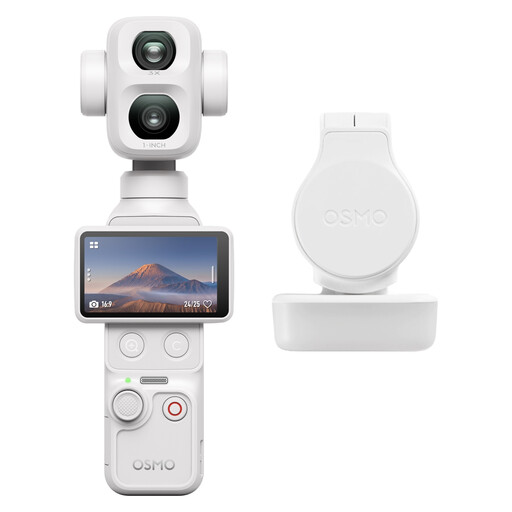
DJI Osmo Pocket 4P Standard Combo (White)
Check whether this camera and its included configuration suit the framing and lighting setup you want to use for bread photography.
View at Joybuy
 No image available
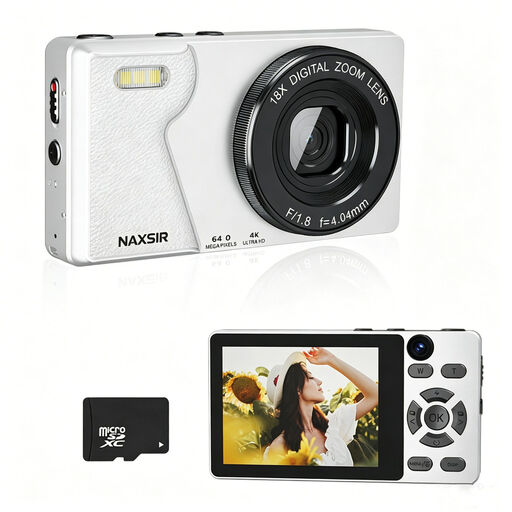
NAXSIR digital camera, 64 MP, 18x digital zoom
Check whether the camera and included memory card are suitable for the way you work with bread photography.
The product name lists 64 MP photo resolution, 18x digital zoom, autofocus and a 32 GB memory card.
View at Joybuy
 No image available
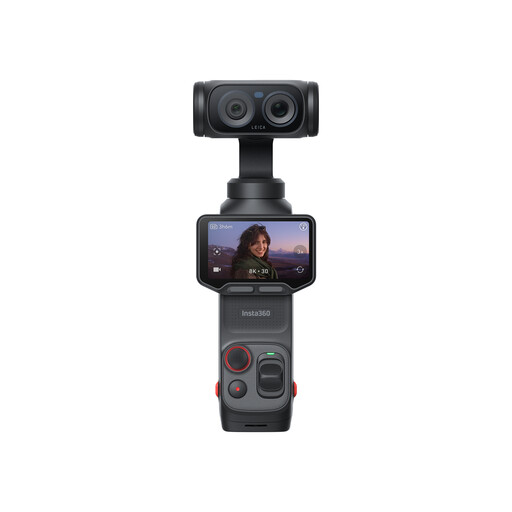
Insta360 Luna Ultra Standard Bundle Cosmic Black
Check whether the included configuration and intended framing work for your product photography.
View at Joybuy
 No image available
KOMERY G7 5K, 80 MP, 18x zoom, white
Check whether the zoom and framing you want are suitable for the distance at which you photograph bread.
The product name lists 5K and 80 MP.
View at Joybuy
 No image available
KOMERY W6, 4K, 64 MP, 12x optical zoom
Check whether the zoom and included configuration suit the framing you want and the way you work.
The product name lists 4K, 64 MP, 12x optical zoom and Wi-Fi.
View at Joybuy
Frequently asked questions
Do I need a macro lens to photograph a whole loaf?
Not necessarily. For a whole loaf, start by choosing a lens that gives you the framing you want from the distance available. Maximum magnification becomes more important if you regularly photograph small crumb or crust details. A macro label on a separate lens doesn’t automatically apply to the kit lens included with a camera.
How can I keep bread photos taken in window light consistent?
Keep the camera angle and lighting setup as consistent as possible, and check the white balance. Canon Netherlands explains that the direction of the window, time of day and weather can all change the light. RAW shooting can give you room to adjust the white balance afterwards, if your camera supports it, but it’s no substitute for taking care when shooting.
What should I check when putting together a camera kit?
Check whether you’re buying a body or a kit, which lens mount and lens are included, and which accessories you’ll need for the way you work. Lenses don’t automatically fit every body, so check compatibility for the specific combination. Follow the relevant product manual when cleaning the sensor, lens and electronics.
Does the statutory cooling-off period apply to a camera I buy for business?
The 14-day statutory cooling-off period in the Netherlands for online purchases applies to consumers, not automatically to business-to-business purchases. Ondernemersplein explains the distinction; if you’re placing a business order, check the seller’s applicable returns arrangements. This is separate from the rules and arrangements relating to warranties.
Can I use my bread photos on my online shop without restrictions?
If you use someone else’s photo, check that you have permission to publish it on your online shop. Dutch government information points out that copyright also applies to photos and other digital content. Make sure your photos also represent the bread you’re selling accurately.


