
Pea soup lovers who want thick slices
You want to decide how thick to slice your bread. A whole or unsliced loaf gives you that option; if you choose a farmhouse or rustic loaf, check that it hasn’t already been sliced.


If you want to decide how thick your bread is sliced to go with pea soup, choose a whole or unsliced loaf. With pre-sliced bread, check the actual slice: words such as ‘coarse’ and ‘rustic’ don’t tell you how thick the slices are. Also check separately whether the bread is wholemeal, its nutritional information and any ingredients that matter to you.
You want to decide how thick to slice your bread. A whole or unsliced loaf gives you that option; if you choose a farmhouse or rustic loaf, check that it hasn’t already been sliced.
You want to choose wholemeal bread to go with your soup and compare loaves by their product description and fibre content per 100 g.
You check the ingredients, allergens or whether baker’s salt has been used before choosing a loaf. For unwrapped bread, you can ask the baker for this information.
First decide whether you want to choose the thickness of the slices yourself. Then consider wholemeal content, nutritional information and ingredients as separate characteristics of the bread.
| What to consider | What to check when buying | Who it matters to |
|---|---|---|
| Slice thickness | Check whether the loaf is whole or unsliced. For pre-sliced bread, check the actual slice. | With a hearty bowl of pea soup, I want to be able to cut thick slices of bread myself, even if that means the portions are less uniform. For around 40% of consumers, slice thickness comes first. |
| Wholemeal and fibre | Check whether the bread is described as wholemeal and compare the fibre per 100 g of the loaves you’re considering. | I choose bread to go with soup mainly by whether it’s described as wholemeal and by its stated fibre content; I consider slice thickness separately. Around 30% of consumers prioritise this nutritional choice. |
| Label and convenience | Read the current ingredients and allergen information, and check whether baker’s salt has been used if necessary. Also decide whether you want to slice the bread yourself. | If ingredients or being able to serve quickly determine my choice, I want to know before I buy. Checking the label or convenience matters most to around 30% of consumers. |
These words may tell you something about the type or texture of the bread, but they don’t specify how thick a pre-sliced loaf’s slices are.
Choose a whole or unsliced loaf if the slice thickness is important, or check the slices before buying.
The description ‘wholemeal’ doesn’t tell you how thickly the bread is sliced or how much salt a particular product contains.
Compare the nutritional information per 100 g and, for product-specific claims, check what the comparison is based on.
According to the Voedingscentrum, baker’s salt contains iodine, but bakers aren’t required to use it.
Check the ingredients list or ask which salt has been used for unwrapped bread.
These ranges give you a starting point when looking for a whole or wholemeal loaf. Check whether your chosen product is sliced and what information is on the label.
Albert Heijn’s wholemeal range includes whole and half farmhouse loaves.
Jumbo sells, among other options, coarse and fine wholemeal bread.
Lidl offers pre-packed bread and freshly baked options.
ALDI offers, among other options, whole wholemeal loaves and farmhouse bread.
PLUS offers whole wholemeal loaves, including a dark wholemeal farmhouse loaf.
Dirk offers, among other options, a whole wholemeal farmhouse loaf and other types of bread.
These round loaves are a good choice if you want to slice your own bread to go with pea soup after defrosting and baking. The varieties differ in factors such as bread type and pack size; check the current preparation and ingredients information for each product.
 No image available
For anyone who wants to slice thick pieces of bread to go with pea soup. This bread needs to be defrosted, baked and left to cool first; check the baking time on the packaging.
 No image available
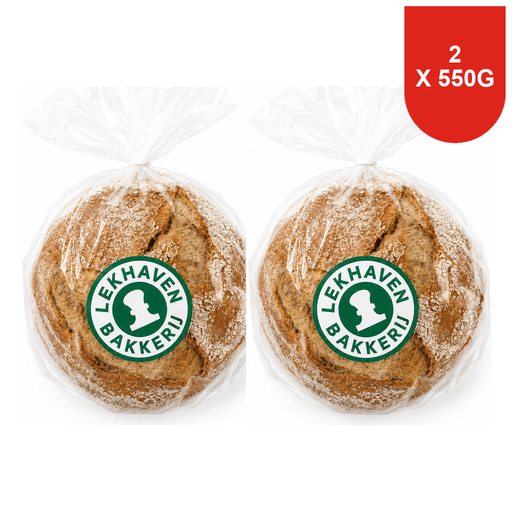
A single round wholemeal loaf for anyone who wants to slice their own bread. Defrost it first, bake it and leave it to cool before slicing; check the packaging for the baking time.
 No image available
A multigrain option that you can slice yourself to go with soup after baking. Allow time for defrosting and cooling; check the current ingredients and allergen information if it matters to your choice.
 No image available
A single round multigrain loaf for anyone who wants to choose the slice thickness. Defrost and bake the loaf, then leave it to cool before slicing; check the packaging for the baking time.
 No image available
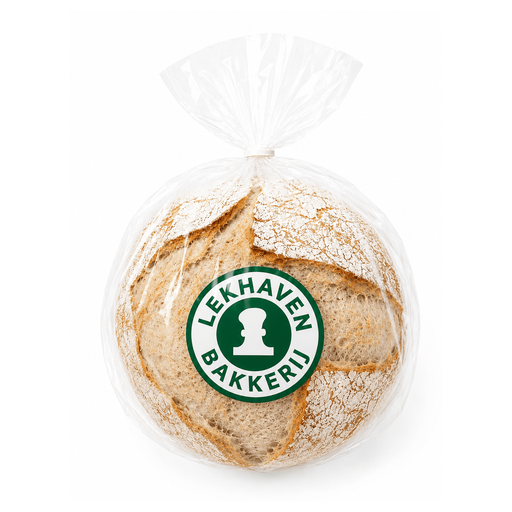
A rustic round loaf that you can slice yourself after baking to go with pea soup. Allow time for defrosting and cooling too, and follow the baking time on the packaging.
Choose a whole or unsliced loaf that you can slice yourself. If you’re choosing a farmhouse loaf, bâtard or rustic loaf, check that the specific product hasn’t already been pre-sliced; the name alone doesn’t determine the slice thickness.
No, wholemeal and slice thickness are different characteristics. If you want to compare the fibre in different loaves, check the nutritional information per 100 g; check the slices separately.
No. According to the Voedingscentrum, baker’s salt contains iodine, but bakers aren’t required to use it. Read the ingredients list or ask the baker which salt has been used in the loaf you’re considering.
Check the current ingredients and allergen information for the bread you want to buy. For unwrapped bread, you can ask the baker for this information; don’t assume it has the same ingredients as another loaf.