What should you look for in a bread maker for cinnamon rolls?
For a neighbourhood baking session, the key things are a dough cycle that ends before baking and a batch size that suits your recipe. Also consider ingredient control, other uses and how much maintenance you’re happy to do.
| What to consider |
What to look for when buying |
Suitable for |
| Making dough without baking it |
Check whether the manual describes a dough or yeast dough programme that ends before the baking stage. Separately adjustable kneading or proving times can be useful for your own recipes. |
I want to take the dough out and shape and bake the rolls myself. Consumers who prioritise this way of making dough account for around 28% of consumers in this selection. |
| Enough dough for each batch |
Compare the amount of flour and other ingredients in your recipe with the model-specific dough limit. Plan extra batches if the recipe won’t fit into one. |
I’m baking for several neighbours and want to know in advance how many batches I’ll need and how long they’ll take. Consumers who mainly want to match the batch size to their needs account for around 28% of consumers in this selection. |
| Ingredients and allergens |
Ask about specific allergies, check the labels on all ingredients and consider possible contact with the baking tin and utensils. |
I want to be able to tell guests clearly what’s in the rolls and how they were made. Consumers who prioritise ingredients and suitability for guests account for around 17% of consumers in this selection. |
| Using it after the gathering |
Consider which other things you’re genuinely likely to make. Extra programmes are only useful if you’ll use those functions later on. |
I want to keep using the machine after this baking session. Consumers who mainly consider how they’ll use it beyond the gathering account for around 16% of consumers in this selection. |
| Cleaning and storage |
Read the cleaning instructions for your chosen model and think about where you’ll store the machine and its removable parts. |
I want to know how much cleaning the machine needs after several batches and where I can put it away. Consumers who prioritise maintenance and practical storage account for around 11% of consumers in this selection. |
Bread makers at Joybuy
These models are bread makers relevant to making dough. For each model, check the manual to see whether the dough cycle suits cinnamon roll dough, what batch limit applies and which product markings are displayed on the appliance being offered.
 Image unavailable
Tefal Pain Doré PF2101
Check the manual to see whether a programme finishes by producing yeast dough before the baking stage, so you can shape and bake the rolls yourself.
The product name lists 12 programmes and a capacity of 1 L.
View at Joybuy
Image unavailable
Tefal PF610138
The product information mentions dough preparation. Check that the cycle for your recipe ends before baking, so you can shape and bake the dough yourself.
The product name lists 1600 W and the colour white.
View at Joybuy
 Image unavailable
Tefal PF250135
The product information mentions dough preparation. Check the programme details and permitted batch size in the manual before choosing this model for cinnamon roll dough.
The product name lists 700 W, 20 programmes and a removable non-stick baking tin.
View at Joybuy
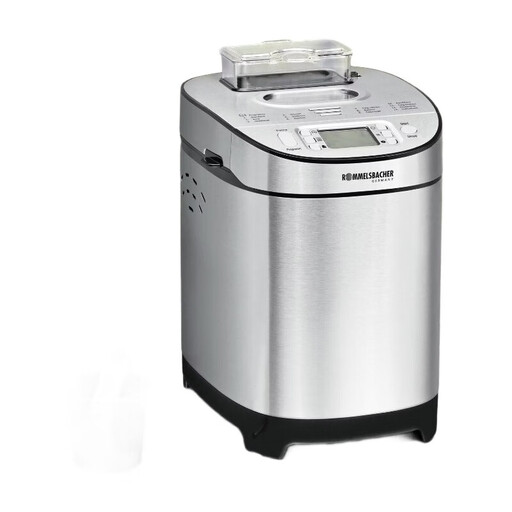 Image unavailable
Rommelsbacher BA 550
Rommelsbacher describes separate dough functions and a customisable programme, which may suit recipes where you want to adjust the dough stages.
The manufacturer specifies a maximum of 500 g of flour for yeast dough and warns that dough that rises significantly can rise high. Apply this limit to this model only.
View at Joybuy
Frequently asked questions
Does the bread maker also bake the shaped cinnamon rolls?
Not with the method described: take the dough out of the machine, shape the rolls and leave them to prove further according to the recipe before baking them in the oven. So choose a suitable dough function, not just a complete bread programme.
Can I use the loaf weight to work out how many rolls I can make?
Not directly: a loaf weight describes a loaf size, not the maximum amount of cinnamon roll dough. Compare the ingredient quantities in your recipe with the model-specific dough limit, and treat the recipe yield as a separate figure.
How should I take raw dough and allergies into account?
Don’t let guests taste raw dough: according to the Voedingscentrum, raw flour can contain pathogens. If guests have allergies, ask about their specific needs, check all ingredients and prevent contact via utensils where necessary; a programme name alone doesn’t make a dish suitable for every guest.
Which product safety marking should I check?
The NVWA states that CE marking is compulsory for electrical products and includes kitchen appliances among electrical equipment. Check the marking and instructions for the specific appliance; CE marking isn’t an individual performance test of the machine.
Do food sales rules also apply to a neighbourhood gathering?
It depends on whether you’re selling food or providing catering; calling it a neighbourhood gathering doesn’t determine this by itself. The NVWA covers sales from home and sales at events separately, so check which rules apply if you’re selling rolls or offering catering.


