
Anyone who wants to make Italian nibbles quickly
You want to be able to toast or top the bread without first having to slice a whole loaf. If you’re using juicy toppings, it’s worth checking the actual slice and shape of the bread.


Choose sliced bread if you want to serve toast or topped slices quickly, and would like to use the bread again after your Italian evening. If you want to tear or cut the bread into pieces, or fill it and serve it in wedges, look for a baguette or round loaf. Check the bread type and ingredients for each product; the label ‘medium-sliced’ alone won’t tell you whether a slice is suitable for your toppings.
You want to be able to toast or top the bread without first having to slice a whole loaf. If you’re using juicy toppings, it’s worth checking the actual slice and shape of the bread.
You’re looking for a type of bread that suits your everyday choices. According to the Netherlands Nutrition Centre, wholemeal bread contains fibre, vitamins and minerals. Check that it’s labelled wholemeal rather than judging by its colour.
You want to know which grains and allergens the bread contains before serving it. For packaged bread, check the label; for unpackaged bread, ask for allergen information. If baker’s salt is relevant to your choice, check the ingredients too.
First, decide how you want to serve the bread: as ready-to-top slices, in pieces to share, or filled and served in wedges. Then compare the type of bread and how much you need.
Choose this: if you want to make toast or topped slices without having to cut the bread, and use it again later.
Bear in mind: check the actual slice if its thickness matters for your toppings.
Choose this: if you want to serve pieces of bread with a meal or drinks.
Bear in mind: you’ll need to slice it yourself to get even slices that are ready to top.
Choose this: if you want to fill the bread and serve it in wedges, as with the Netherlands Nutrition Centre’s Italian stuffed bread.
Bear in mind: filling and slicing it takes more preparation than using ready-sliced bread.
| What to consider | What should you check? | Who is this most important for? |
|---|---|---|
| Type of bread | Look for the wholemeal label if that’s your preference. When comparing similar breads, check the fibre and salt per 100 g. | If I eat the bread on ordinary days too, I want to be able to compare the type of bread and its nutritional information. Around 40% of consumers put this everyday choice first. |
| How it’s served | Check whether you’re buying sliced bread, a baguette or a round loaf, and look at the slice if you want to toast or top it. | For my Italian nibbles, I want to know whether I can top the slices straight away, or whether I can tear the bread into pieces or fill it instead. For around 30% of consumers, how the bread is served is the deciding factor. |
| Portions and leftovers | Choose an amount that suits the number of people eating, and consider how to store any unused slices. | If there’s bread left after the meal, I want to be able to store it in portions. For around 30% of consumers too, reducing leftovers is the first consideration. |
This label doesn’t tell you whether the slice has the shape and firmness you need for your toast or toppings.
Look at the slices and the shape of the bread before buying. If you mainly want to tear or cut it into wedges, consider a baguette or round loaf.
According to the Netherlands Nutrition Centre, organic bread from artisan bakers is often made without baker’s salt, which means it contains very little iodine.
Check the ingredients list for baker’s salt, or ask the baker if this is relevant to your choice.
The name doesn’t tell you which allergens are in the specific loaf.
For packaged bread, read the label. For unpackaged bread, ask about allergen information and any cross-contamination warnings before buying.
If you only serve some of it, you’ll have bread left over after your Italian evening.
Choose an amount that’s right for you, or freeze any unused slices in portions.
Albert Heijn’s online range includes both sliced loaves and other types of bread.
Jumbo’s online category distinguishes between loaves, bake-at-home bread and crusty rolls, among other options.
Lidl’s product page describes Knip wholemeal as an 800 g sliced loaf that’s only available in store.
ALDI offers a sliced fine wholemeal loaf, as well as a whole extra-fibre wholemeal loaf.
PLUS offers a wholemeal sourdough baguette, among other options, for anyone who wants to share their bread.
Dirk’s bread category includes wholemeal bread, white bread, sourdough and baguettes, among other options.
These products show different ways to serve bread: rye bread in nine pieces, a round wholemeal loaf and small multigrain baguettes to share. Choose according to the shape you want and how much preparation you’re happy to do; none of these product names confirms that the bread is medium-sliced.
 Image unavailable
An option if you want to serve rye bread in separate pieces with a meal or afterwards. Check the slice if you’re serving it with toppings or as toast, and check the packaging if allergens or baker’s salt are relevant to your choice.
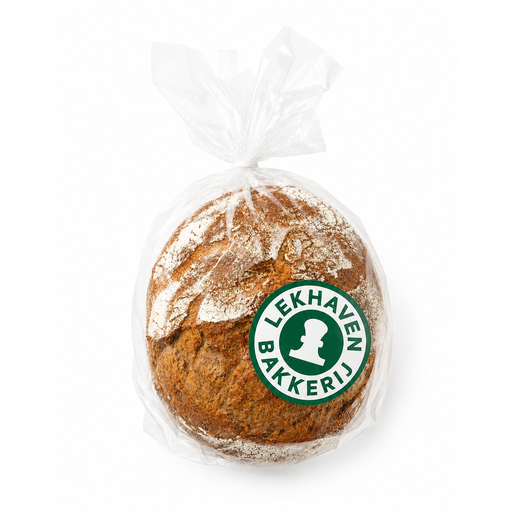 Image unavailable
The round shape is ideal if you want to slice the bread yourself or share it at the table. Allow time for defrosting, baking and cooling before slicing; this isn’t ready-sliced bread that you can top straight away. Check the allergen information on the packaging before serving it to guests.
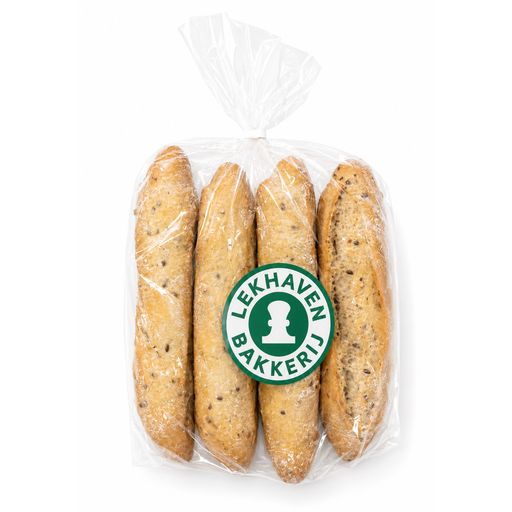 Image unavailable
Four small baguettes are a good choice if you want to share the bread in pieces. Allow time to defrost and bake them. Multigrain doesn’t automatically mean wholemeal; check the label if the type of bread or allergens matter to your choice.
No. Don’t assume that the bread you choose contains baker’s salt without checking. According to the Netherlands Nutrition Centre, organic bread from artisan bakers is often made without baker’s salt, which means it contains very little iodine. Read the ingredients list, or ask if you’re buying unpackaged bread.
For prepacked bread, read the allergen information on the label. For unpackaged bread, ask for information about the specific product and any cross-contamination warnings before buying.
Freeze the bread in portions if you won’t use it soon. The Netherlands Nutrition Centre’s storage guide recommends keeping opened wholemeal bread in a kitchen cupboard for 2–4 days or in the freezer for 1–3 months. Follow the storage instructions on your bread’s packaging too.
No. Don’t use the colour as a substitute for the wholemeal label. If you’re specifically looking for wholemeal bread, check the product name and label. According to the Netherlands Nutrition Centre, wholemeal bread is made from the entire grain.