
Households looking to buy wholemeal more often
For anyone who wants to serve more wholemeal bread, in line with information from the Netherlands Nutrition Centre, while also taking everyone else’s preferences into account when doing the weekly shop.


Choose wholemeal bread for everyday sandwiches if everyone at home enjoys it; according to the Netherlands Nutrition Centre, it contains more fibre than white bread. If its taste or texture is an issue, brown bread or a mix of white and wholemeal may be a better fit for what your household will eat that week. Check whether each loaf is labelled white, brown or wholemeal, then compare the nutritional information on the packaging.
For anyone who wants to serve more wholemeal bread, in line with information from the Netherlands Nutrition Centre, while also taking everyone else’s preferences into account when doing the weekly shop.
If the colour, taste or texture determines which bread gets eaten, buying a mix of types may be more practical than choosing just one for the whole week.
For anyone who wants to check the type of bread, fibre per 100 g, ingredients or allergens in individual products rather than relying on the colour or a name such as ‘multigrain’.
First work out which types of bread people at home will eat, then choose how much to buy for the week. When choosing between white, brown and wholemeal, the label tells you more than the colour. According to the Dutch Bakery Centre, in its explanation published in October 2024, the type of bread must be stated.
Choose this if: everyone enjoys its taste and texture, and fibre is a priority for everyday sandwiches.
The trade-off: according to the Netherlands Nutrition Centre, wholemeal bread contains more fibre than white bread. But it’s not a practical choice for the week if it ends up uneaten at home.
Choose this if: you don’t want to buy only white bread and everyone at home enjoys this type.
The trade-off: the label ‘brown’ doesn’t tell you how much fibre the bread contains; you’ll need to check the nutritional information.
Choose this if: familiar white bread is needed to make sure everyone has a type they’ll eat, for example alongside wholemeal.
The trade-off: the Netherlands Nutrition Centre lists less fibre in a 45 g slice of white bread cut from a loaf than in a 50 g wholemeal roll. Compare products on the same basis, preferably per 100 g.
| What to consider | What to check when buying | Who should consider this? |
|---|---|---|
| Whether everyone will eat it | Check whether the bread is white, brown or wholemeal. If you want a mix, consider buying two half loaves. | If softer, familiar bread tends to get eaten first at home, I don’t want to buy a whole week’s supply of a different type straight away. This is the top priority for around 39% of shoppers. |
| Fibre and nutritional value | Check the type of bread and compare the nutritional information, including fibre per 100 g, for the products you choose. | I want the sandwiches we usually eat to be wholemeal more often, as long as that choice works for everyone at home. For around 38% of shoppers, this difference in fibre matters most. |
| How much to buy for the week | Compare half and whole loaves, and follow the storage advice on the packaging. | If different people at home want different types, I’d rather buy quantities we can finish. For around 23% of shoppers, planning for the week comes first. |
The colour or an additional name doesn’t tell you whether bread is white, brown or wholemeal. The flour it’s made from may therefore be different from what you expect.
Check the type of bread on the label, then compare the nutritional information for the specific product. The Dutch Bakery Centre explains this distinction for bread sold in the Netherlands.
Bread with a specially adapted recipe may contain ingredients that someone in your household needs to be aware of. The ingredients list for another loaf won’t tell you what’s in this one.
Check the ingredients and allergens on the packaging of the exact bread you’re buying, especially if someone has a known food allergy.
According to the Netherlands Nutrition Centre, using baker’s salt to make bread isn’t compulsory. So you can’t tell whether it’s present from the type of bread alone.
Check the ingredients on the packaging, or ask the baker or shop assistant which salt has been used if the bread isn’t packaged.
If not everyone eats that type, you could end up with a whole loaf left over. ALDI and PLUS, among others, offer half loaves.
Choose a half or whole loaf to suit what your household expects to eat, and combine two types if needed.
Albert Heijn’s online range includes white and wholemeal bread.
Jumbo’s online range distinguishes between white, brown and wholemeal bread, and provides nutritional information for individual products.
Lidl highlights the fibre content of its bread.
ALDI’s fresh daily range includes half loaves of white, brown and wholemeal bread.
PLUS’s online range includes half loaves of fine wholemeal bread.
Dirk’s range includes Bakker van der Akker farmhouse wholemeal bread, half loaf.
These products offer variety if you’re also considering rye bread, wholemeal country bread or wholemeal flatbread for your weekly shop. They’re not necessarily a direct substitute for soft white or brown sandwich bread, so first consider which type and shape people at home will eat.
 Image unavailable
A rye bread option if you’d like something other than standard sandwich bread for the week. The product name states that the pack contains 9 pieces. Check the packaging for nutritional information, allergens and storage instructions before comparing it with other breads.
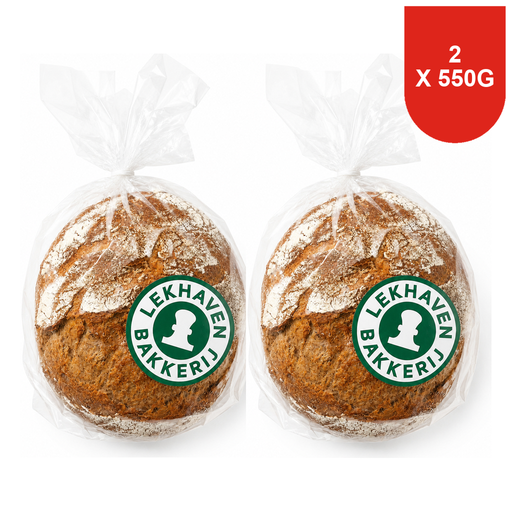 Image unavailable
An option for households looking to buy wholemeal country bread for several meals. The product name states that the pack contains two loaves of 550 g each. Check the preparation and storage instructions, and only compare nutritional values when the unit is clearly stated on the packaging.
 Image unavailable
A set quantity of rye bread for anyone who eats this type at home. The product name states that the pack weighs 500 g. Check the ingredients, allergens and units used for the nutritional values on the label.
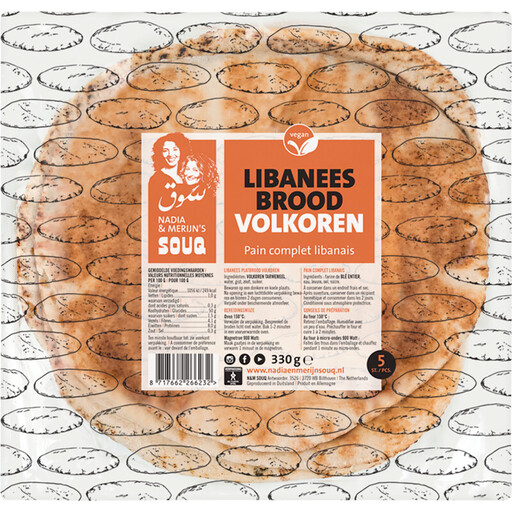 Image unavailable
An option if flatbread suits your planned meals better than ordinary sliced bread. The product name states that the pack contains 6 pieces. Read the full ingredients and allergen information on the packaging before buying.
No. Colour and a name such as ‘multigrain’ aren’t the same as the bread type being labelled wholemeal. Check whether the bread is labelled white, brown or wholemeal. The Dutch Bakery Centre explains that this label is required for bread in the Netherlands.
No. According to the Netherlands Nutrition Centre, bread doesn’t have to be made with baker’s salt. Check the ingredients on the label, or ask which salt has been used if the bread isn’t packaged.
Check the allergens for the exact product, as ingredients vary from one bread to another. Jumbo lists wheat, barley, soya and egg, among other ingredients, in its half loaf of low-carb wholemeal bread. Don’t assume the same applies to another loaf, and check the packaging when you buy it.