
Guests who prefer familiar bread
If some guests mainly want white bread, brown wheat bread can be a middle-ground option. Let the label on the packaging guide you: appearance alone won’t tell you whether bread is brown or wholemeal.


For guests who prefer familiar bread, brown wheat bread can be a middle ground between white and wholemeal. Put a loaf labelled wholemeal alongside it if you’d like to offer that choice too. Brown bread isn’t the same as wholemeal: check the type of bread, compare the fibre per 100 g and choose an amount that suits your gathering.
If some guests mainly want white bread, brown wheat bread can be a middle-ground option. Let the label on the packaging guide you: appearance alone won’t tell you whether bread is brown or wholemeal.
Offering a separate wholemeal loaf gives guests a clear choice, without everyone having to eat the same thing. Compare the fibre per 100 g in the loaves you’re actually considering.
For a table with dips or toppings, the shape of the bread can make all the difference: half a loaf keeps the quantity manageable for a small group, while a baguette can be sliced and shared. If you have leftovers, check the storage instructions for the product you’ve chosen.
First decide whether familiar flavour, a wholemeal option or easy sharing matters most for your gathering. Then use the type of bread and product information to compare specific loaves.
| What to consider | What to check when buying | Who it matters to |
|---|---|---|
| Familiar flavour | Check whether the bread is labelled white, brown or wholemeal; don’t rely on the colour or product name alone. | If my guests would rather not eat strongly flavoured wholemeal bread, I want to be able to offer a familiar option too. Around 40% of consumers prioritise an accessible choice like this. |
| Wholemeal and fibre | Look for the wholemeal label and compare the fibre per 100 g in the loaves you’re considering. | As well as bread for the whole group, I want to offer a clearly labelled wholemeal option with its fibre value listed. For around 40% of consumers, this is the top priority. |
| Sharing and quantity | Choose a bread shape that suits your group and check the storage or freezing instructions in case you have leftovers. | For a small gathering with dips, I want bread that’s easy to share without leaving too much over. This practical consideration is a priority for around 20% of consumers. |
According to the Dutch Bakery Centre, bread colour alone isn’t a reliable indicator of its nutritional value. A dark crust or seeds won’t tell you what type of bread it is either.
Check the packaging or shelf label for white, brown or wholemeal. Then compare the fibre per 100 g.
Jumbo lists 5,3 g of fibre per 100 g for its half brown tiger loaf and 7,6 g per 100 g for Jumbo Fine Wholemeal. These figures relate to two specific products, not all brown or wholemeal bread.
Check the current nutritional information, ingredients and allergen information on the packaging of the bread you’re buying.
If you’re serving other snacks too, a whole loaf may be more than your group needs.
Consider half a loaf or a baguette that’s easy to share, and check the freezing instructions if you want to keep any leftovers.
Wholemeal doesn’t mean gluten-free. Ingredients and allergen warnings vary from product to product.
Ask about any dietary requirements, check the allergen information for the exact loaf and avoid cross-contamination when serving.
These supermarkets provide product information that lets you compare specific loaves. The features mentioned don’t necessarily apply to their entire range.
Jumbo lists both a half brown tiger loaf and a whole fine wholemeal loaf, so you can compare two types of bread from the same range.
PLUS provides product information for items including a wholemeal baguette and a whole farmhouse wholemeal loaf: two shapes for different tables of drinks and snacks.
Albert Heijn’s product information shows why you should look beyond the type of bread when it contains added ingredients.
Dirk’s bread range includes white, wholemeal, multigrain and sourdough varieties. This gives you different types to compare side by side.
These products offer shapes that are easy to share or a separate wholemeal option for your gathering. If your guests would particularly value a middle ground between white and wholemeal, choose a brown wheat loaf separately.
 No image available
A wholemeal flatbread for serving with dips. It isn’t a brown middle-ground option; if you have allergies, check the latest packaging.
 No image available
A rye bread option for guests who fancy something different from white or brown wheat bread. Its robust rye flavour may not suit fussy eaters, so bear that in mind when choosing. If you have allergies, check the packaging.
 No image available
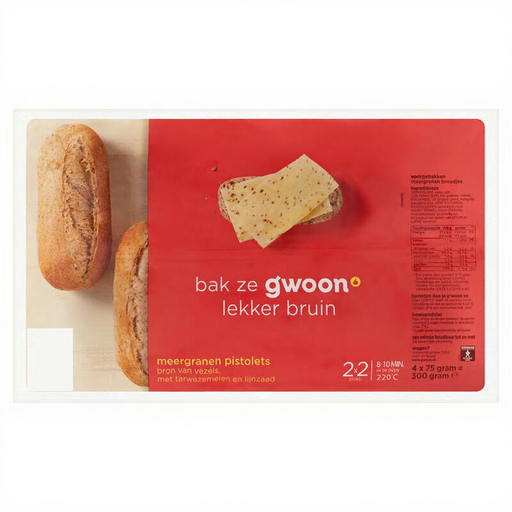
Four individual rolls could suit a smaller gathering where guests can help themselves. The multigrain label doesn’t tell you whether the bread is legally labelled as brown or wholemeal; also check the latest allergen information, particularly for sesame.
 No image available
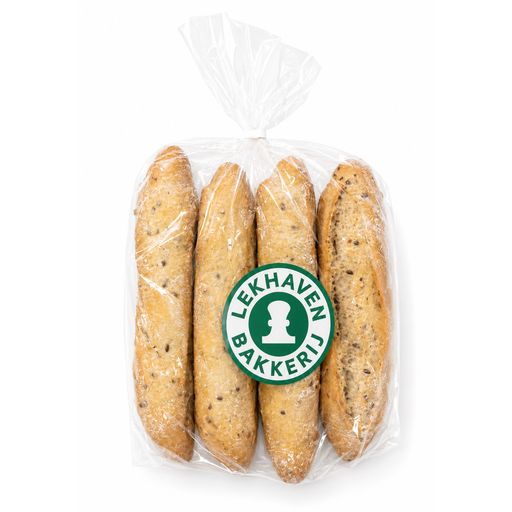
The four 135 g baguettes are easy to slice and share with dips. Allow time to defrost and bake before serving. Multigrain doesn’t confirm that the bread is wholemeal; if you have allergies, check the packaging for ingredients such as wheat and sesame.
No. Brown wheat bread combines white flour and wholemeal flour, while wholemeal bread is made from wholemeal flour. Check the type of bread on the packaging rather than relying on the colour alone.
No, you can offer wholemeal alongside a brown or white option to suit guests with different preferences. When deciding how much to buy, consider how many other snacks you’re serving. If it matters to your choice, compare the fibre per 100 g for each loaf.
Read the ingredients list for the specific bread; don’t assume every loaf uses the same salt. For example, AH Wholemeal Muesli Nut Bread lists iodised salt, but that doesn’t tell you anything about another product.
Follow the storage instructions for the bread you’ve bought. PLUS says its farmhouse wholemeal loaf can be frozen on the day of purchase and should be used within one month; don’t assume the same instructions apply to other loaves.
Don’t assume so: wholemeal doesn’t mean gluten-free. Check the allergen statement for the exact product and ask your guest what precautions are needed when serving.