If an older person doesn’t enjoy coarse wholemeal bread, fine or light wholemeal bread is a practical alternative to try before switching straight to white bread. Compare the ingredients, fibre, salt and allergens on each pack, and see whether they like the taste and texture. If they repeatedly choke or have difficulty chewing, they should have an individual assessment before trying a different type of everyday bread.
Who might find this choice helpful?
An older person who prefers a less coarse slice
If they don’t like the texture of coarse bread, they could try a fine or light wholemeal variety. Check the label to make sure the bread is actually wholemeal; the description doesn’t tell you how someone will find it to eat.
An older person who mainly wants to compare fibre
If the grain base and nutritional value are the main priorities, the ingredients and fibre per 100 g are useful points of comparison. The Netherlands Nutrition Centre includes brown and wholemeal bread in its nutrition information for older people.
A carer supporting someone with eating or swallowing difficulties
If someone regularly chokes, has difficulty chewing or struggles to swallow food, the question isn’t just which bread feels soft. Zorg voor Beter lists these as possible signs of swallowing difficulties; seek an assessment to find out which food and texture are suitable.
What should you look for when choosing?
Start with what matters most to the person eating the bread: a wholemeal base, a pleasant texture or a specific nutritional value on the label. If there are signs of swallowing difficulties, comparing everyday breads isn’t the right first step.
| What to consider | What to check | Who it matters to |
|---|
| Wholemeal base |
Check the product description and ingredients for wholemeal flour; compare fibre per 100 g. |
If the grain base is my main concern, I don’t want to judge by the bread’s dark colour. Around 38% of consumers give wholemeal ingredients their highest priority. |
| Taste and texture |
See whether the bread is described as fine or light, and assess its actual texture when eating it. |
If coarse bread keeps getting left uneaten, I’m looking for something the person will enjoy without giving up on wholemeal altogether. Around 31% of consumers prioritise whether they like the taste and texture. |
| Nutritional information and allergens |
Compare fibre and salt per 100 g, and read the ingredients and allergen information on the pack. |
If there’s a specific dietary requirement or an allergy, I need to know what’s in this particular bread. Label information is the main purchasing concern for around 23% of consumers. |
| Eating safely |
Look out for repeated choking, coughing or difficulty chewing. If you notice these signs, ask for an individual assessment. |
If food gets stuck or someone chokes, I don’t want to try a softer supermarket loaf on my own. Around 8% of consumers put eating safely first. |
Common mistakes when choosing bread
-
Assuming brown or dark bread is wholemeal
The colour doesn’t tell you enough about the type of grain used. You could end up choosing a loaf that doesn’t fit your aim of buying wholemeal bread.
Read the product description and ingredients list, and compare fibre per 100 g instead of judging by colour alone.
-
Assuming soft bread is safe to swallow
A soft crumb isn’t an individually assessed adjustment for someone with swallowing difficulties. Zorg voor Beter lists choking and difficulty swallowing food among the signs to take seriously.
If the problem keeps happening, seek a professional assessment before continuing to switch between everyday bread types.
-
Choosing based on a fibre claim alone
Salt, ingredients and allergens also vary from product to product. A claim about one loaf doesn’t apply to every variety from that brand.
Read the full nutritional information and compare the same values per 100 g. If there’s an allergy, always check the current packaging.
-
Choosing bread the person doesn’t want to eat
A wholemeal label isn’t much help if the taste or texture means the bread gets left uneaten.
If possible, try a small amount of a fine or light wholemeal variety first, and ask the person what they think of it. Freezing may be an option if the packaging allows it.
Brands to compare
These examples show what product information you can compare for individual loaves; the features mentioned don’t necessarily apply to a brand’s entire range.
Albert Heijn
Albert Heijn describes its AH Extra lang lekker Zaans volkoren heel loaf as soft and light.
- For this loaf, Albert Heijn lists 6.9 g of fibre and 0.9 g of salt per 100 g.
- The description of its softness doesn’t tell you whether it’s safe for an individual to swallow.
Jumbo
Jumbo Fijn Volkorenbrood is a specific product to look at if you’re after a fine-textured loaf.
- Jumbo lists 7.6 g of fibre and 1.0 g of salt per 100 g for this loaf.
- The word ‘fine’ doesn’t confirm that the bread is suitable for someone with swallowing difficulties; if there are allergies, check the label too.
Lidl
Lidl describes a bread concept made with extra-finely milled wholemeal flour.
- According to Lidl, this particular kids’ loaf has as much fibre as wholemeal bread and a taste reminiscent of brown bread.
- This brand description isn’t an assessment of the bread for older people or anyone with swallowing difficulties.
ALDI
ALDI presents an Extra vezelrijk volkorenbrood with product-specific claims about fibre and salt.
- This product gives you something to compare with the nutritional table for another wholemeal loaf.
- Don’t assume the claim applies to other ALDI loaves. Check the current packaging and the product it’s being compared with.
PLUS
PLUS Rond fijn volkoren heel is an example with published ingredients and nutritional values.
- PLUS lists wholemeal wheat flour as the first ingredient, with 6.7 g of fibre and 1.03 g of salt per 100 g.
- Check the packaging when you buy it, as ingredients and nutritional information can change.
Dirk
Dirk lists products including Bakker van der Akker Boeren Extra vezels volkoren heel.
- This is a recognisable product to include when comparing wholemeal bread.
- Check the current packaging for exact nutritional values, salt and allergens; the product name alone isn’t enough.
Wholemeal bread options on Joybuy
These products offer alternatives to wholemeal bread, from rye bread and flatbread to wheat bread that you bake at home. Choose a grain base and pack size that suit your household, and assess taste and texture separately; these aren’t breads specifically assessed for softness.
 No image available
TastyBasics Rye Bread, 9 pieces
An option for anyone who wants to try rye bread and can assess its taste and texture with the person eating it.
The product name specifies a pack of 9. Check the current packaging for nutritional information and allergens.
View on Joybuy
 No image available
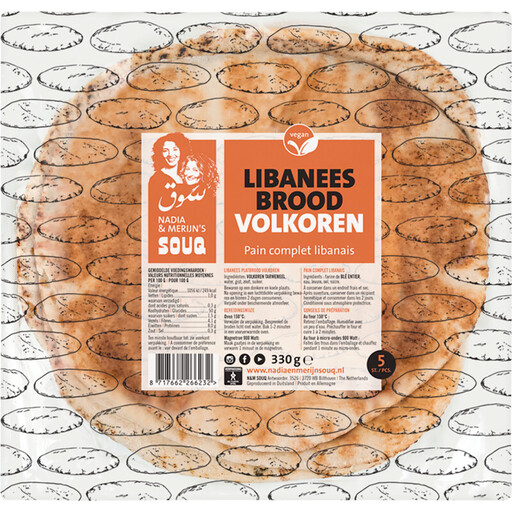
Souq Lebanese Bread Whole Wheat, 6 pieces
A wholemeal flatbread to consider as an alternative to an everyday slice, as long as the person eating it enjoys the texture.
The product name specifies 6 pieces. If there are allergies, check the current packaging, paying particular attention to wheat, gluten, soya and milk.
View on Joybuy
 No image available
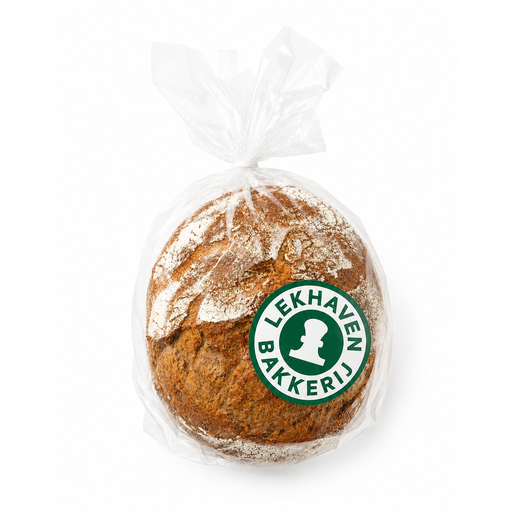
Lekhaven Bakkerij Whole Wheat Country Round Bread, 550 g
A wholemeal wheat loaf for anyone with space at home to defrost and bake it.
The product name states that the pack contains 550 g. Compare fibre with other loaves using the per-100 g value on the label, and assess the texture after baking.
View on Joybuy
 No image available
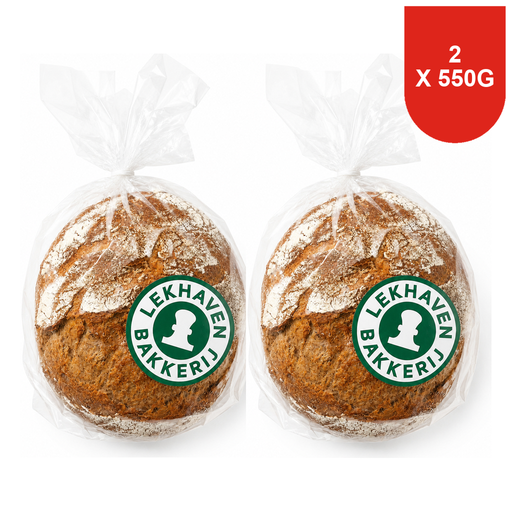
Lekhaven Bakkerij Whole Wheat Country Round Bread, 2 × 550 g
This pack of two wholemeal wheat loaves is best suited to a household that can use that quantity and has room to store them.
Allow time to defrost and bake the loaves. Compare fibre using the per-100 g value on the label, and see whether the person eating it enjoys the texture once baked.
View on Joybuy
Frequently asked questions
Is brown bread always wholemeal?
No. The colour alone doesn’t confirm that a loaf is wholemeal. If you’re specifically looking for a wholemeal grain base, check the product description and ingredients list.
What can I try if coarse wholemeal bread isn’t to their taste?
Fine or light wholemeal bread may offer a different texture without giving up on wholemeal altogether. Check with the person eating it to see whether they like the taste and crumb, and compare the nutritional information for each product. ‘Fine’ doesn’t automatically mean safe for someone with swallowing difficulties.
When should I stop trying different everyday breads?
If someone repeatedly chokes, coughs while eating, has difficulty chewing or feels food getting stuck, a professional assessment is more important than trying another type of bread. Zorg voor Beter lists these problems as possible signs of swallowing difficulties.
Does bread in the Netherlands always contain added iodine?
No. Don’t assume that every loaf contains iodised salt. The NVWA and RIVM describe bread baked with iodised salt as an important source of iodine in the Netherlands. If iodine is a specific concern for someone, check the ingredients on the packaging.
How can I stop a small household from wasting bread?
Choose an amount that suits how much you use and follow the storage advice on the packaging. Albert Heijn says its Extra lang lekker Zaans volkoren heel loaf can be frozen at home on the day of purchase; check the instructions for the bread you buy.


