What should you look for when choosing?
First decide whether you mainly want bread to share, want to choose wholemeal, need to check ingredients or want to serve it warm. Then compare the features of the specific variety.
| What to consider |
What to check when buying |
Who is this most important to? |
| Flavour and sharing |
Look at the shape of the loaf and consider whether its crust and texture will suit your guests. |
If I’m serving bread with dips or soup, I want to be able to share it and choose a crust my guests will enjoy. For around 36% of consumers, flavour and presentation are the most important factors. |
| Wholemeal |
Look for the ‘wholemeal’ label; colour, seeds or ‘multigrain’ aren’t enough. |
I want the bread to be genuinely wholemeal, even if another loaf looks more rustic. Around 21% of consumers give wholemeal their top priority. |
| Ingredients and allergens |
Read the label or ask about the exact variety if the bread is unwrapped. Check whether it contains baker’s salt if that’s relevant to your choice. |
If someone at the table needs to avoid certain ingredients, I want to know what’s in the bread before I buy it; baker’s salt may also affect our choice. For around 29% of consumers, checking this information comes first. |
| When you’ll serve it |
Check availability at your local shop and follow the pack instructions for bake-at-home bread. |
I want to serve the bread warm without oven timings getting in the way of dinner. For around 14% of consumers, serving time and availability are the main concerns. |
Bread for a family dinner on Joybuy
These products include baguettes and a round loaf to share at dinner. The bake-at-home varieties need preparation time and oven space; if you have dietary requirements, always check the packaging for the variety you choose.
 No image available
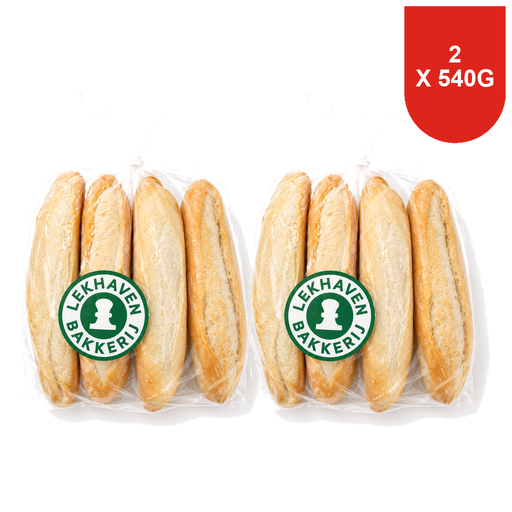
Lekhaven Bakkerij Natural Rustic Baguette, 4 × 135 g × 2
A baguette option to share with a meal. Allow time and oven space for the stated defrosting and baking instructions; if you have specific dietary requirements, check the ingredients and allergens on the packaging.
View on Joybuy
 No image available
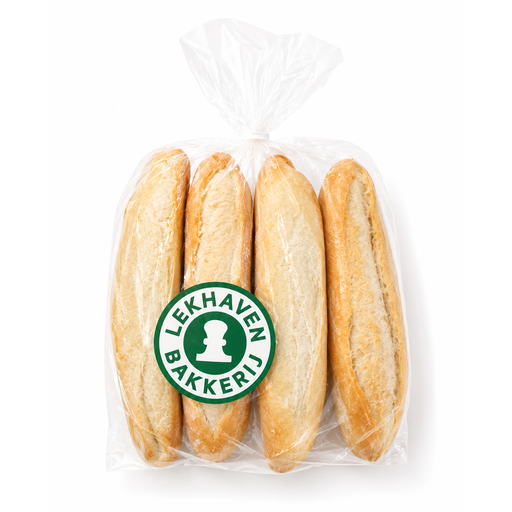
Lekhaven Bakkerij Natural Rustic Baguette, 4 × 135 g
Four baguettes for serving with a meal. This variety needs to be defrosted before baking; check the packaging for preparation instructions and any allergen information.
View on Joybuy
 No image available
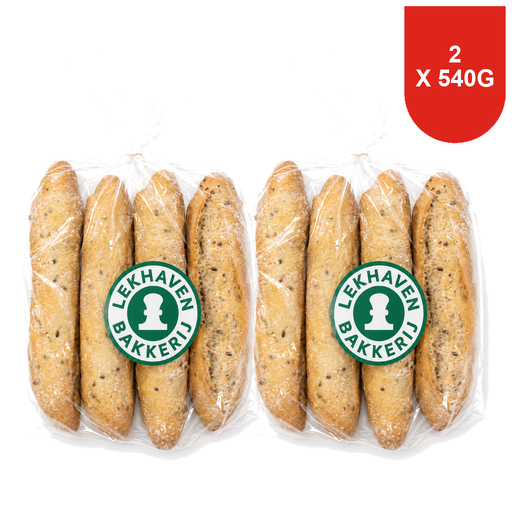
Lekhaven Bakkerij Multigrain Rustic Baguette, 4 × 135 g × 2
A multigrain baguette to share at dinner, which needs to be defrosted and baked before serving. ‘Multigrain’ doesn’t confirm that the bread is wholemeal, so check the packaging.
View on Joybuy
 No image available
Lekhaven Bakkerij Multigrain Country Bread Round, 550 g
The 550 g round country loaf is an option if you want to put one loaf on the table to share. Allow for the stated defrosting and baking instructions; check the packaging if wholemeal status or allergens are important to you.
View on Joybuy
 No image available
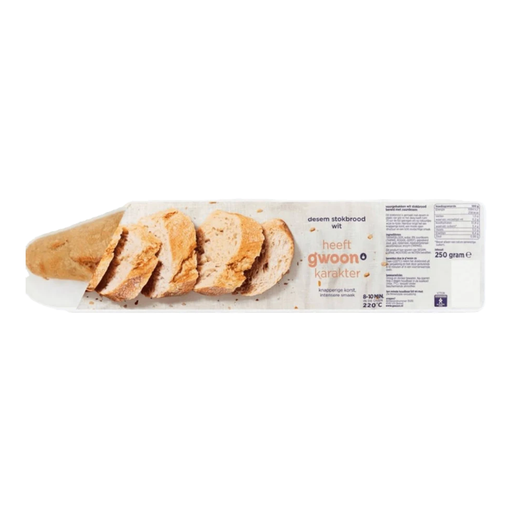
G'woon White Rustic Baguette, 250 g
A 250 g white rustic baguette to share with a meal. Don’t choose it on the assumption that it’s wholemeal; check the packaging for allergen information and whether it contains baker’s salt.
View on Joybuy
Frequently asked questions
Is sourdough bread wholemeal too?
Not necessarily: sourdough refers to how the bread is made, while wholemeal describes the flour used. According to the Netherlands Nutrition Centre, wholemeal bread is made from 100% wholemeal flour. So, if it matters to your choice, check for the ‘wholemeal’ label.
Does bread always contain iodine from baker’s salt?
No. According to the Netherlands Nutrition Centre, bread doesn’t have to be baked with baker’s salt. Check the label on packaged bread or ask about it when buying unwrapped bread if it’s relevant to your choice.
How can I check allergens in bread from an in-store bakery?
Before you buy, ask for the allergen information for the exact loaf you want to take home. For prepacked bread, read the ingredients list and allergen information on the label; don’t try to work out what’s in it from the name of the bread.
How can I prepare bread without ending up with too much left over?
Choose an amount that suits what you plan to serve, and freeze any bread you’ll use later in portions. The Netherlands Nutrition Centre recommends freezing bread in portions as soon as you buy it, then taking out only what you need.


