If you have a food allergy, first check the current label for ingredients, allergens and possible traces. Only then decide between wholemeal bread and a milder-tasting blend. Brown bread or a white-and-wholemeal blend isn’t the same as wholemeal bread, and it isn’t suitable for coeliac disease. In that case, you need a product explicitly labelled gluten-free. If you have a wheat allergy or another food allergy, check that the full allergen information also meets your individual needs.
Who is this choice relevant to?
People who need to avoid gluten or wheat
Ordinary bread made with a combination of white and wholemeal flour isn’t an alternative to bread that meets the requirements for avoiding gluten or wheat. The Dutch Coeliac Society explains why an explicit gluten-free label is important for people with coeliac disease. If you have a wheat allergy, you’ll still need to check the ingredients.
Households with other food allergies
If wheat isn’t a concern but, for example, milk, soya, sesame, egg, nuts or lupin is, the ingredients and any warnings about possible traces in the bread you choose are what matter.
Households with fussy eaters who don’t need to avoid gluten
A milder flavour or finer texture may influence your choice. However, according to the Netherlands Nutrition Centre, bread made with a blend of wholemeal flour and white flour isn’t the same as bread labelled wholemeal.
What should you look for when choosing?
Wholemeal bread
When: If the person eating it can tolerate the ingredients and wants bread made with 100% wholemeal flour.
Bear in mind: The wholemeal label says nothing about whether the bread is free from allergens or possible traces.
Brown bread or a white-and-wholemeal blend
When: If flavour or texture guides your choice and the ingredients suit the person eating it.
Bear in mind: A blend doesn’t have the same grain composition as bread labelled wholemeal, and it doesn’t make gluten or wheat restrictions any less relevant.
Bread explicitly labelled gluten-free
When: If you have coeliac disease, an explicit gluten-free label is the starting point.
Bear in mind: Gluten-free doesn’t automatically mean wheat-free or free from other relevant allergens. You should also take care to avoid cross-contact during preparation.
| What to consider |
What to check when buying |
Most relevant to |
| Avoiding gluten or wheat |
If you have coeliac disease, look for the gluten-free label. If you have a wheat allergy, also check the ingredients and relevant warnings. |
If gluten or wheat needs to be avoided, suitability comes before a familiar bread texture. This is the priority for around 42% of consumers. |
| Other allergens and possible traces |
Check the allergens in the ingredients list and the ‘may contain’ statement on the current packaging. |
If you can eat wheat but need to avoid, for example, milk, soya or sesame, the name of the bread alone isn’t enough. Around 33% of consumers prioritise this check. |
| Milder flavour and texture |
If you want bread made with 100% wholemeal flour, check for the wholemeal label. Only compare the ingredients in a blend or more finely milled bread after checking the allergens. |
For a fussy eater, flavour can be the deciding factor once the bread is suitable for their allergy. This is the main consideration for around 17% of consumers. |
| Baker’s salt and iodine |
Look for iodised baker’s salt on the packaging, or ask which salt is used if the bread is sold loose. |
If the type of baker’s salt guides your choice, the colour of the bread won’t tell you. This is the priority for around 8% of consumers. |
Common mistakes
-
Mistaking brown or multigrain bread for wholemeal
According to the Netherlands Nutrition Centre, brown bread is made with a combination of wholemeal flour and white flour. The colour or the name ‘multigrain’ doesn’t confirm that the bread is made with 100% wholemeal flour.
Look for the wholemeal label if that’s the grain composition you specifically want. Choose a blend for its flavour or texture, not because you think it’s the same thing.
-
Assuming wholemeal means allergen-free
Wholemeal bread may still contain other relevant ingredients or possible traces. The Netherlands Nutrition Centre lists dairy products, egg and soya flour among the possible ingredients in bread improvers.
Read the ingredients and allergen warnings on the packaging of the bread you’re actually buying.
-
Confusing a lighter bread texture with gluten-free
A finer grind or lighter colour doesn’t change the gluten in grains that contain gluten. The Dutch Coeliac Society also warns that crumbs from ordinary bread can end up on gluten-free food.
If you have coeliac disease, choose a product explicitly labelled gluten-free and avoid contact with crumbs from utensils or shared spreads.
-
Assuming all bread contains iodised baker’s salt
You can’t tell which salt has been used from the type or colour of the bread. A statement that one product contains iodised baker’s salt doesn’t automatically apply to another loaf.
Check the ingredients on the packaging, or ask which salt is used if the bread is sold loose.
Brands to compare
Albert Heijn
A useful starting point if you want to check the information for a specific packaged loaf before visiting a shop.
- For AH Vloerbrood volkoren heel, Albert Heijn lists wheat, barley, rye and sesame among the allergens present, and milk, soya and lactose as possible traces. The product information also mentions iodised sea salt.
- Albert Heijn says that product information may change. Compare the online details with the packaging of the bread you buy.
PLUS
Worth considering if you want to compare the ingredients and allergens for specific breads online.
- The information for PLUS Boeren volkoren heel also lists possible traces, including rye, oats, milk, nuts, sesame and lupin.
- PLUS warns that product information may change. Check the current packaging before relying on allergen information.
Lidl
Worth considering if you’re looking at oven-fresh bread or a more finely milled wholemeal option.
- Lidl provides an ingredients and allergen overview for its oven-fresh bread and describes a kids’ bread made with extra-finely milled wholemeal flour.
- The information for oven-fresh bread isn’t a general list covering all Lidl food products. Check the details for your chosen loaf on the packaging or ask in store.
ALDI
A useful point of comparison for fresh and packaged bread.
- ALDI provides downloadable allergen information for bread and bakery products and shows its fresh bread range, including wholemeal bread.
- Don’t use information about the range as a substitute for checking the allergen information for the specific bread in store.
Dirk
A useful point of comparison if you want to look at a specific wholemeal tin loaf.
- Dirk has a product page for Vloerbrood volkoren heel.
- If you have a food allergy, base your choice on the ingredients and allergen information on the current packaging, or ask for specific information in store.
Joybuy products for a gluten-free diet
These products are for a gluten-free diet, rather than for choosing between ordinary wholemeal bread and a white-and-wholemeal blend. Always check the current ingredients, warnings and product format for the person who’ll be eating it.
 Image unavailable
Gv Baguette Mini 7 Pieces
An option to consider if you’re looking for a gluten-free bread product. Before buying, check whether this version is mini baguettes or a flour mix. Look at the current allergen information, including details about soya and possible traces of lupin and mustard.
View at Joybuy
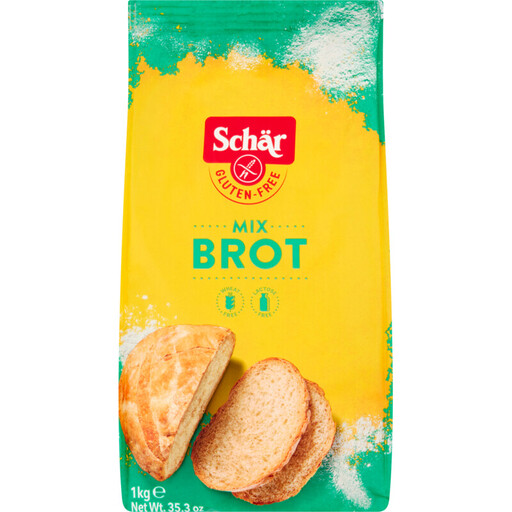 Image unavailable
Schär Bread Mix-Mix B Gluten Free, 1 kg
If you want to make your own gluten-free bread, this is a 1 kg flour mix, not a ready-made loaf. If you have a soya allergy, check the current ingredients and warnings on the packaging.
View at Joybuy
Frequently asked questions
Is a white-and-wholemeal blend suitable for coeliac disease or a wheat allergy?
An ordinary white-and-wholemeal blend isn’t a gluten-free alternative for someone with coeliac disease. Choose a product explicitly labelled gluten-free and check the other allergen information. If you have a wheat allergy, you should also check the ingredients and warnings about wheat on any gluten-free product.
Why should I check the label again if I buy the same bread regularly?
Because the ingredients and allergen information can change. Albert Heijn and PLUS warn about this in their product information, so check the packaging of the bread you’re buying each time.
Does all Dutch bread contain iodised baker’s salt?
You can’t tell from the type of bread. For packaged bread, check the ingredients for iodised baker’s salt. If the bread is sold loose, ask which salt has been used.
How can I stop crumbs getting onto gluten-free bread?
Use clean utensils and make sure crumbs from ordinary bread don’t get into shared spreads. The Dutch Coeliac Society points out that gluten can be transferred to gluten-free food this way.


