
If savoury fillings are the star
You’re looking for a whole sourdough or country loaf to put on the table, and don’t mind slicing it during brunch.


Choose bread for your Easter brunch according to how you plan to serve it: a whole sourdough or country loaf alongside savoury fillings, small rolls for guests to help themselves, and perhaps an Easter loaf as a sweet addition. If you’d also like to offer a wholemeal option, choose one separately. For specific dietary requirements, check the ingredients and allergens of the product you select.
You’re looking for a whole sourdough or country loaf to put on the table, and don’t mind slicing it during brunch.
You want guests to be able to choose from a selection of small rolls. The number of rolls, oven space and whether you can arrange larger quantities all matter.
You want to choose based on factors such as wholemeal content, fibre or allergens. For these guests, information about the specific bread matters more than a premium appearance.
First, decide whether the bread will mainly accompany savoury fillings, be served as small portions or provide a sweet addition. Then consider what information and preparation your guests and serving plans require.
| What to consider | What to check when buying | Who it matters to |
|---|---|---|
| Bread to go with savoury fillings | Choose between a whole or sliced loaf, and consider the shape and quantity too. | If I want a loaf as the centrepiece alongside savoury fillings, presentation matters to me and I’ll need to allow time for slicing. This is the top priority for around 37% of consumers. |
| Variety and help-yourself serving | Compare the number of rolls in each pack. If you’re buying bake-at-home rolls, plan for oven space and preparation time. | For a buffet, I want guests to be able to help themselves to small portions with a choice of fillings. This is the top priority for around 27% of consumers. |
| Wholemeal content and fibre | Look for the word wholemeal on the packaging and compare fibre values on the same basis, for example per 100 g. | Alongside an Easter loaf or white rolls, I want to be able to offer a wholemeal option. This is the first priority for around 18% of consumers. |
| Ingredients and allergens | For packaged bread, read the ingredients list; for unwrapped bread, ask about the product you’ve chosen. Check whether it contains iodised baker’s salt if that matters to your choice. | If a guest needs to avoid certain ingredients, I want to know exactly what’s in that particular bread. For around 18% of consumers, this kind of product information comes before presentation and variety. |
Sourdough doesn’t tell you whether a loaf is wholemeal. So an impressive-looking table loaf isn’t automatically the wholemeal option you’re looking for at brunch.
Check the product description and compare the fibre listed per 100 g if you’re choosing between loaves.
According to the Voedingscentrum, bakers aren’t required to use baker’s salt. The type of bread or its artisan appearance won’t tell you whether it contains it.
If baker’s salt matters to your choice, check the label or ask the baker about unwrapped bread.
A name such as Easter bread or brioche doesn’t tell you which allergens are in the product you’ve chosen. And with unwrapped bread, you won’t have that information readily available on a package.
Read the current ingredients list or ask for allergen information about the specific bread. Be sure to ask about possible cross-contamination too, if relevant.
A whole table loaf, small rolls and an Easter loaf could add up to more than you’ll use at one brunch.
Decide what role each type will play. For any bread left over, follow the Voedingscentrum’s storage advice and any instructions on the packaging.
These brands offer examples of different types of bread and brunch options. Check the range at the shop where you plan to buy, especially if you need a particular product or a larger quantity.
Worth considering if you’re looking for a whole sourdough or country loaf to serve with savoury fillings.
A good place to start if you’d like to make your own sweet Easter bread.
Useful if you want to combine small bake-off rolls with packaged bread.
An option for comparing loaves, small rolls and products to bake at home.
Worth considering if you want to serve a whole loaf alongside a selection of smaller bread shapes.
A good place to start if you’re planning a table with both everyday bread and sweet Easter brunch treats.
These breads suit two ways of serving: a round wholemeal loaf to slice, and small brioche rolls for guests to help themselves. For all three products, allow time for preparation or defrosting.
 Image unavailable
A round wholemeal loaf to slice and serve with savoury fillings, in a pack containing two 550 g loaves.
The product information lists wholemeal wheat flour and sourdough. The bread is delivered frozen and needs to be defrosted and baked; follow the baking instructions on the packaging. The listed ingredients include wheat. If you have an allergy, check the current information for the product you’ve chosen, and ask about baker’s salt if it matters to your choice.
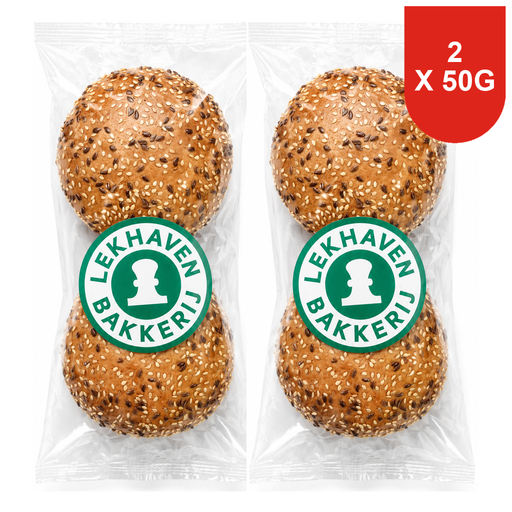 Image unavailable
Two 50 g brioche rolls for guests who’d like to help themselves to a small portion.
The description mentions sesame and linseed and gives a defrosting time of around four hours. The listed ingredients include wheat, milk, egg and sesame. If you have an allergy, also check the current information about possible cross-contamination. Check the packaging if baker’s salt matters to your choice.
 Image unavailable
A 550 g round wholemeal loaf for serving as a table bread with savoury fillings.
The product information lists wholemeal wheat flour and sourdough. The bread is delivered frozen and needs to be defrosted and baked; follow the baking instructions on this pack. The listed ingredients include wheat. If you have an allergy, check the current product information and look for details of baker’s salt if it matters to your choice.
No, choose a combination that suits your fillings and guests. For a brunch with both savoury and sweet dishes, you could serve bread with savoury fillings and add a smaller Easter loaf. Dirk also describes Easter brunch as a mix of breakfast and lunch items.
No, the word sourdough doesn’t tell you whether a loaf is wholemeal. Look for the word wholemeal on the packaging and, if you’re choosing based on fibre, compare the nutritional information per 100 g.
No. According to the Voedingscentrum, bakers aren’t required to use baker’s salt. Check the label or ask about unwrapped bread if this matters to your choice.
For unwrapped bread, ask for allergen information about the specific product; for packaged bread, read the current ingredients list. If possible cross-contamination is a concern, ask about it separately.
Yes. The Voedingscentrum provides freezer storage advice for products including wholemeal bread and bake-at-home rolls. Follow the instructions for the product you choose, especially if it’s delivered frozen and still needs to be baked.