What should you look for when choosing?
First decide whether presentation, wholemeal status, allergen checks or serving time is your top priority. A sourdough, wholemeal or bake-at-home loaf may meet more than one of these requirements, so assess each product individually.
| What to consider |
What should you check? |
Who is this most important for? |
| Presentation and taste |
Look at the shape of the loaf and check whether you can serve it whole or unsliced. Assess claims about crust and taste for the specific loaf. |
If I want to make the bread a feature of the table, I focus on its shape and whether it goes with the toppings. Around 33% of consumers prioritise presentation and taste. |
| Wholemeal and fibre |
Check whether the bread is explicitly labelled wholemeal and, where available, compare the fibre content per 100 g. |
For me, the type of grain matters more than a rustic name or packaging. Around 25% of consumers prioritise this choice. |
| Allergens and ingredients |
Read the allergen information for the exact product; ask about it if the bread is unwrapped. Don’t rely on labels such as spelt or sourdough. |
If a guest needs to avoid certain ingredients, I want to know which bread is suitable before buying it. Checking allergens and ingredients is the main concern for around 25% of consumers. |
| Serving time and availability |
Check the range at your local shop or the available ordering options. If you’re buying bake-at-home bread, read the preparation instructions. |
If coffee is being served at a set time, I want to plan my shop visit or baking around it. This is the top priority for around 17% of consumers. |
Brands and bread ranges to consider
These bread ranges offer different options for the coffee table. Check the type of bread, ingredients and availability for each product; descriptions of how it’s made and how it tastes come from the retailers concerned.
Albert Heijn
AH Liefde & Passie and OerDesem include sourdough, spelt, seeded and wholemeal loaves.
- Albert Heijn describes loaves in these ranges as baked on a stone oven floor and presents OerDesem as a loaf made using a three-day process.
- Some products are listed as available in-store only; check this for the loaf you want to buy.
Jumbo
Jumbo’s rustic sourdough loaves include multiseed, spelt and wholemeal varieties.
- Jumbo describes this range as loaves made with fresh sourdough and baked in-store.
- Jumbo says these loaves are available in its shops only and can’t be ordered online.
PLUS
PLUS Korenlanders includes sourdough loaves in several varieties, including multigrain and wholemeal.
- PLUS describes Korenlanders as sourdough bread that is baked in-store daily.
- PLUS mentions both in-store sales and delivery; check which products are available in your area.
ALDI
Bakkersgoud and Bakkersgoud Rustiek include rustic white, wholemeal, spelt and multiseed loaves.
- The range offers a choice between a rustic presentation and a product explicitly labelled wholemeal.
- ALDI says its oven-fresh range is available in shops with a bakery section; check your local shop.
Lidl
Lidl offers oven-fresh bread and displays a fibre meter on its packaged loaves.
- The fibre meter can help you compare packaged loaves by their stated fibre content.
- The fresh range may vary from one shop to another. For ingredients and allergens, also check the information for the exact product.
Dirk
Bakker van der Akker is Dirk’s bread range, with wholemeal options among its products.
- Dirk mentions freshly baked bread and a fibre meter to help you compare products.
- Compare the exact type of bread and its nutritional information, and check availability at your local shop.
Bread options on Joybuy
Below you’ll find round loaves for serving whole, as well as ciabattas and ciabattinas for a different presentation or to serve in portions. If you’re planning to bake a product at home, follow the packaging instructions when planning your timings.
 Image unavailable
Lekhaven Bakkerij round wholemeal country loaf 550 g
A round loaf for anyone wanting to serve a whole loaf and specifically looking for wholemeal bread.
Check the instructions for defrosting, baking and cooling before deciding when to serve it.
If you’re serving guests with allergies, read the information on the exact packaging.
View on Joybuy
 Image unavailable
Lekhaven Bakkerij round multigrain country loaf 550 g
A round multigrain loaf to serve whole with coffee.
Multigrain doesn’t automatically mean wholemeal; check the label and nutritional information if that distinction matters to you.
Allow time for defrosting, baking and cooling according to the product instructions.
View on Joybuy
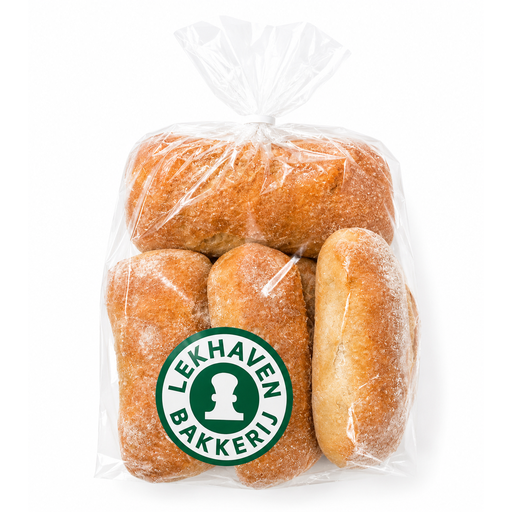 Image unavailable
Lekhaven Bakkerij rustic plain ciabatta 4 × 135 g
Four individual ciabattas for anyone who wants to serve bread one piece at a time.
The product is listed as 4 × 135 g. Allow time for defrosting and baking, and check the packaging for the correct baking time.
Check the allergen information for your guests.
View on Joybuy
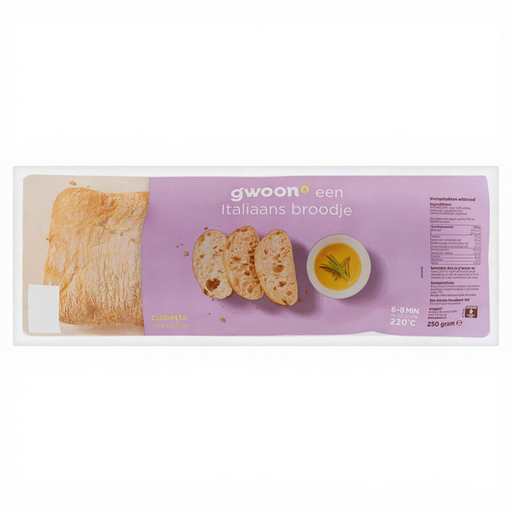 Image unavailable
g'woon ciabatta 250 g
A ciabatta for anyone wanting to slice one loaf to serve with coffee.
The stated weight is 250 g. Check the packaging to see whether and how you need to prepare the loaf before serving.
If you’re choosing it for guests, read the allergen information for the exact product.
View on Joybuy
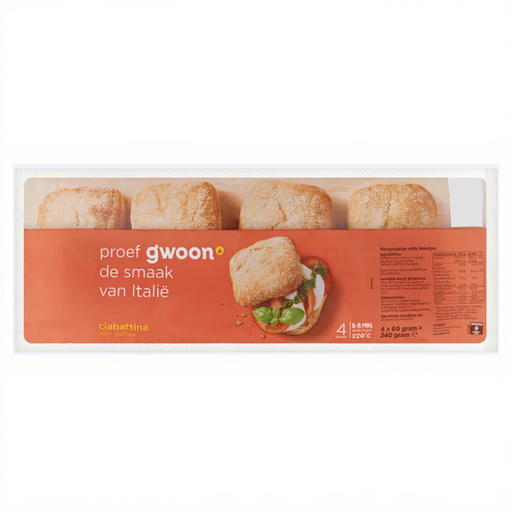 Image unavailable
G'Woon ciabattina with olive oil 240 g
Ciabattinas for anyone who would rather serve bread rolls than one whole loaf.
The packaging states 240 g. Check the preparation method and baking time on the packaging before planning to serve them at a set coffee time.
If you’re serving guests with allergies, refer to the information on the exact packaging.
View on Joybuy
Frequently asked questions
Is sourdough or spelt bread automatically wholemeal or gluten-free?
No. Sourdough refers to a method of preparation and spelt is a type of grain; neither label confirms that a loaf is wholemeal or gluten-free. For wholemeal bread, check the product label. If you need a gluten-free option, rely only on the information for the exact product.
Where can I find allergen information for unwrapped bread?
Ask the retailer before buying. The Netherlands Food and Consumer Product Safety Authority says consumers must be given allergen information for non-prepacked products in a way other than on packaging.
How can I tell whether bread contains bakers’ salt?
Check the ingredients list on packaged bread or ask about it if the bread is unwrapped. The Voedingscentrum explains that iodine is added to bakers’ salt, but bakers aren’t required to use it.
How should I plan bake-at-home bread for coffee time?
Follow the preparation instructions for the exact product and allow time for defrosting or cooling too, if the packaging specifies it. Decide when you want to serve the bread before you start baking, so you can plan the steps around it.
Can I get freshly baked shop bread delivered?
It depends on the bread and the retailer. Jumbo says its in-store-baked sourdough loaves can’t be ordered online, while PLUS also mentions delivery for Korenlanders. Before planning your coffee table, check the ordering options for the exact product and your location.


