
If you want to serve bread at the coffee table
You’re looking for bread that can hold its own alongside coffee and cake, perhaps with a rustic crust, sourdough flavour or visible grains, kernels and seeds.


Choose rustic sourdough or hearth-baked bread if flavour and presentation are your priorities at the coffee table, or bread clearly labelled wholemeal if you’re also thinking about fibre. Bake-at-home bread lets you serve it warm, but you’ll need to allow time to prepare it. For any bread, check the latest ingredients and allergen information, and whether baker’s salt has been used if that matters to your choice.
You’re looking for bread that can hold its own alongside coffee and cake, perhaps with a rustic crust, sourdough flavour or visible grains, kernels and seeds.
You want to serve something special, but your choice is guided by whether it’s wholemeal and how much fibre it contains per 100 g.
You want to serve warm bread or rolls and have an oven and enough time to prepare them.
First decide what matters most to you: flavour and presentation, wholemeal content, when you’ll serve it or checking the ingredients. Then compare the information on the bread you actually plan to buy.
| What matters | What to look for | Who is it for? |
|---|---|---|
| Flavour and presentation | Look at the shape of the loaf and the product description. If you want fresh bread from a shop, check in advance that the variety you want is available. | When I serve bread alongside cake, I want it to work as a savoury option too; around 36% of consumers put flavour and presentation first. |
| Wholemeal and fibre | Look for the word ‘wholemeal’ and compare the stated fibre per 100 g. A dark crust or seeds alone aren’t proof that bread is wholemeal. | I want to enjoy the same bread on ordinary days too, so wholemeal and fibre come first; this matters most to around 29% of consumers. |
| Serving warm | Read the preparation instructions and allow time for any defrosting, baking and cooling. | If I want to bake the bread shortly before serving coffee, I need to fit the preparation into my plans; around 21% of consumers prioritise this. |
| Ingredients and allergens | Read the latest ingredients and allergen information. Check for iodised salt or baker’s salt if that’s relevant to you. | When choosing bread for guests, I want to know which ingredients and allergens it contains; this is the top priority for around 14% of consumers. |
A long proving time, seeds or a dark crust don’t in themselves tell you whether bread is wholemeal. That distinction matters if fibre is an important reason for choosing a particular loaf.
Check that it’s labelled ‘wholemeal’ and compare the fibre per 100 g in the nutritional information.
According to the Netherlands Nutrition Centre, bakers aren’t required to use baker’s salt. It also notes that organic bread usually doesn’t contain baker’s salt.
For packaged bread, look for iodised salt or baker’s salt in the ingredients list. If it’s important to your choice, ask about it when buying unwrapped bread.
Jumbo says its rustic sourdough breads can’t be ordered online. Lidl notes that its fresh bread range may vary from one store to another.
Check that the variety you want is available at your local shop before planning your coffee table around it.
Terms such as sourdough, multigrain and organic don’t tell you which allergens a particular loaf contains.
Check the latest ingredients list and allergen information for the product you choose, especially if you need to take your guests’ allergies into account.
The range includes OerDesem and a wholemeal Allinson variety.
Jumbo offers rustic sourdough breads for serving at the table.
PLUS lists Korenlanders as its own range of sourdough breads and also sells bake-at-home products.
Lidl has a fresh-from-the-oven range and also lists an organic rustic multigrain sourdough loaf.
Dirk’s bread range includes wholemeal, multigrain and sourdough breads.
These Joybuy options are multigrain baguettes and round multigrain loaves to bake at home and share. ‘Multigrain’ alone doesn’t mean that a loaf is wholemeal, so check the product information.
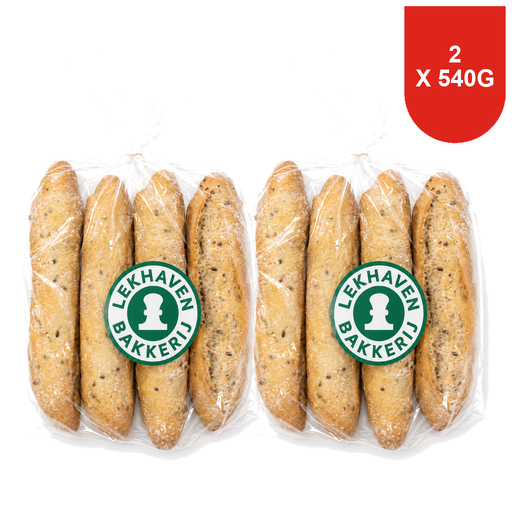 No image available
Individual baguettes are easy to share around the coffee table.
Allow time to defrost and bake them. Read the latest ingredients and allergen information on the packaging.
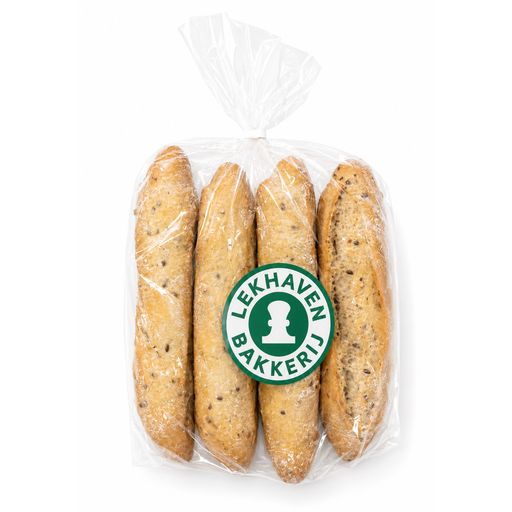 No image available
These individual baguettes are a good fit for a coffee table where you want to share bread.
Allow time to defrost and bake them. Check the packaging if allergens or the use of baker’s salt are important to your choice.
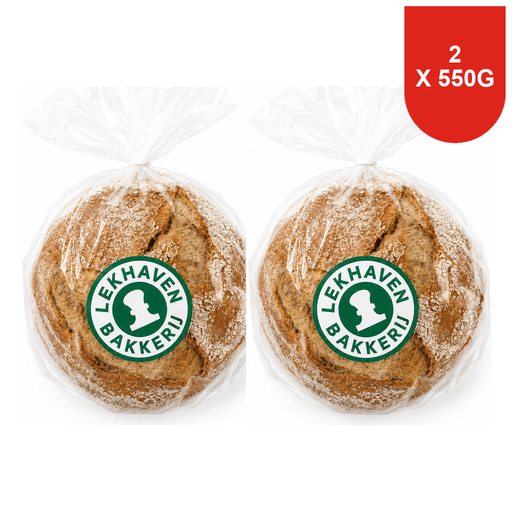 No image available
Once baked, you can slice the round loaves to share at the table.
Allow time for defrosting and baking, as well as cooling before slicing. Check the latest preparation and allergen information on the packaging.
 No image available
Once baked and cooled, this round loaf can be served sliced.
Allow time to defrost and follow the baking instructions on the packaging. Also check the latest ingredients and allergen information.
No. According to the Netherlands Nutrition Centre, bakers aren’t required to use baker’s salt. For packaged bread, check the ingredients list for iodised salt or baker’s salt. If it’s relevant to your choice, ask about it when buying unwrapped bread.
It depends on the bread and the shop. Jumbo says its rustic sourdough breads are baked in store and can’t be ordered online. For a specific loaf, check whether it can be ordered and whether it’s available at your local shop.
Follow the instructions on the packaging of the rolls you buy. PLUS recommends 6–8 minutes at 220 °C for Dutch Bakery Organic Sourdough Pumpkin Rolls, but those instructions don’t automatically apply to other bake-at-home breads.
No. Those names don’t mean that a bread is gluten-free. Check the latest ingredients and allergen information for the product you choose, along with any gluten-free labelling. Don’t rely on the type of bread alone.